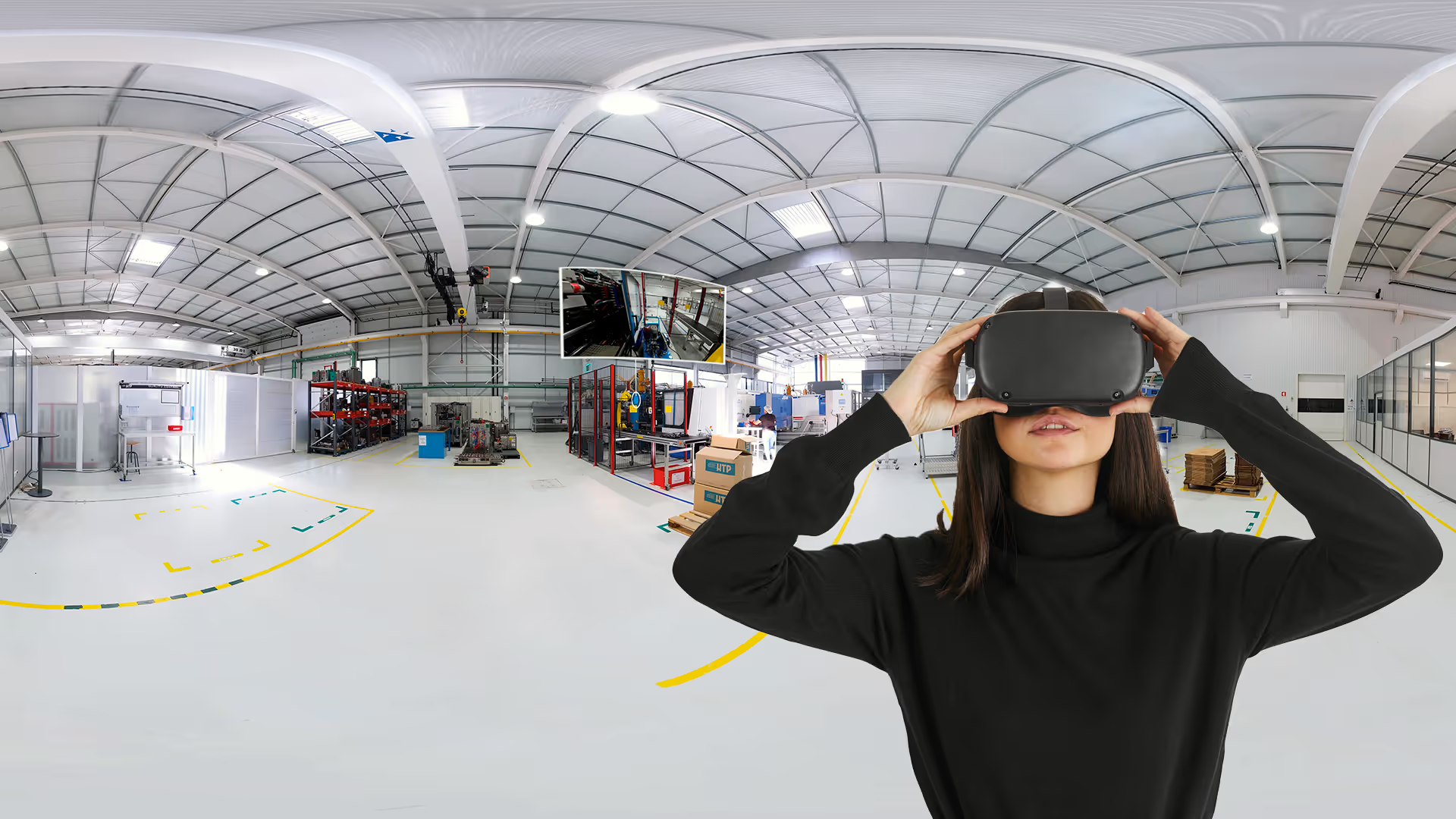

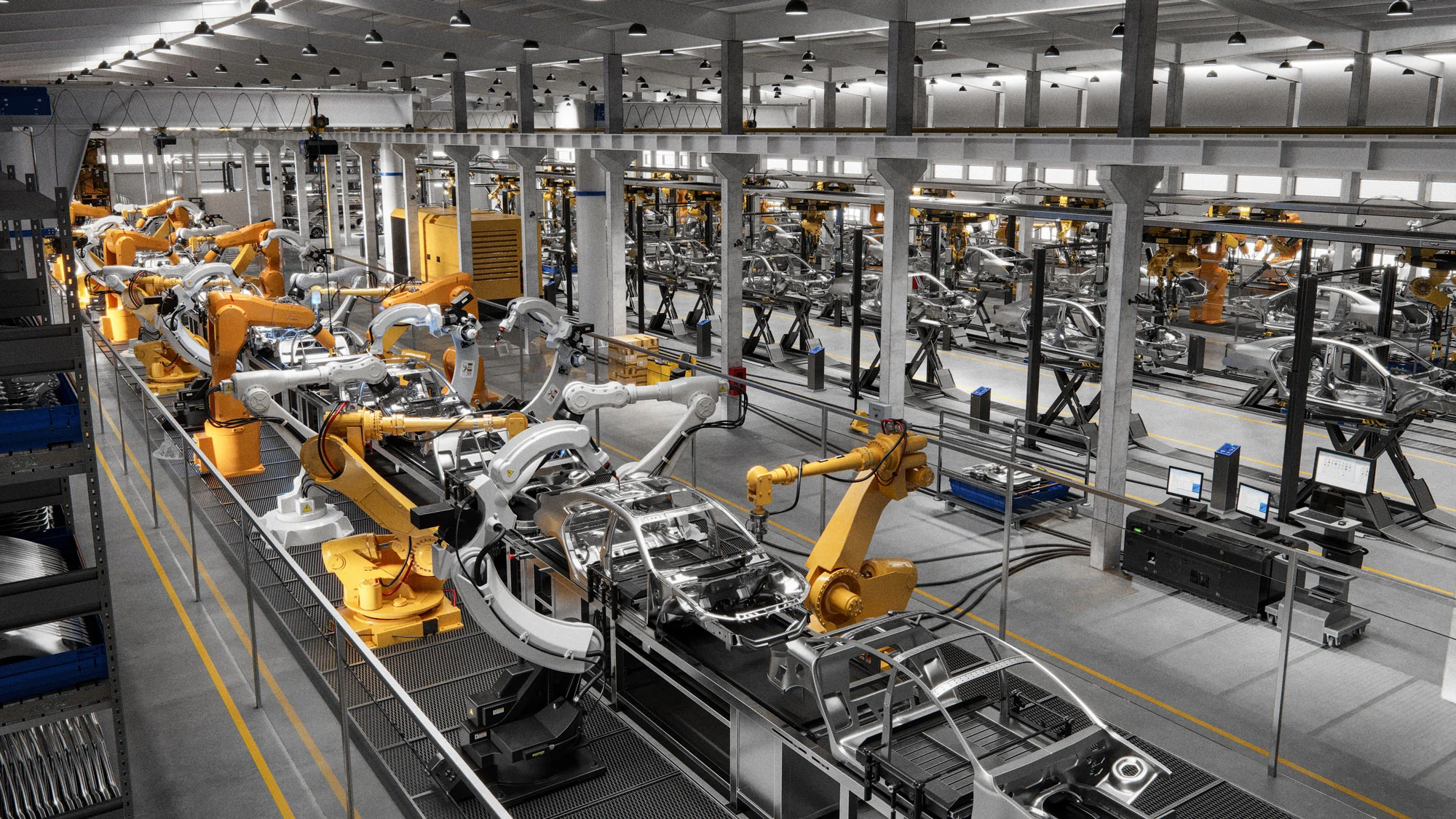
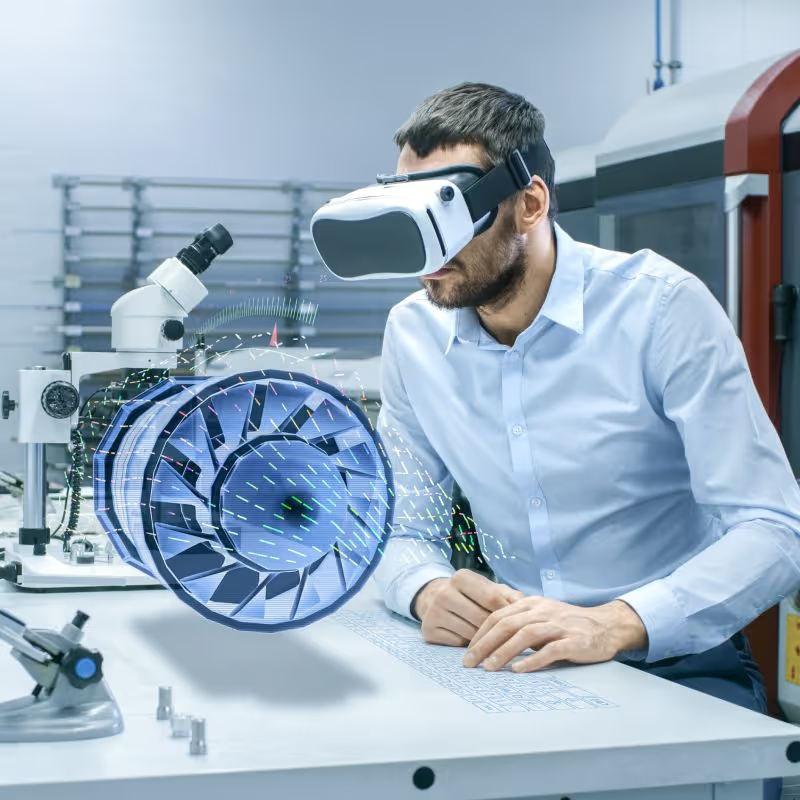
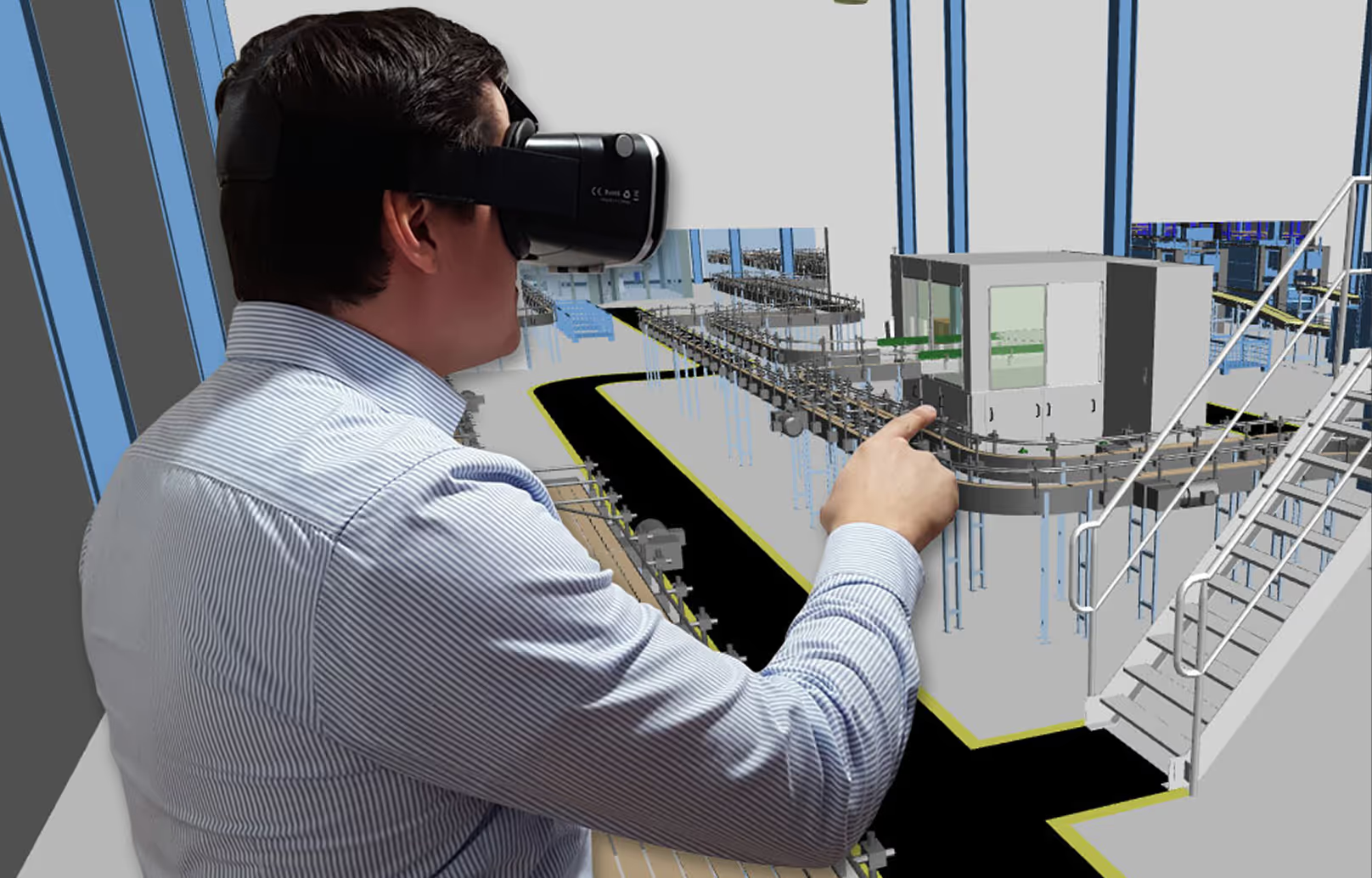
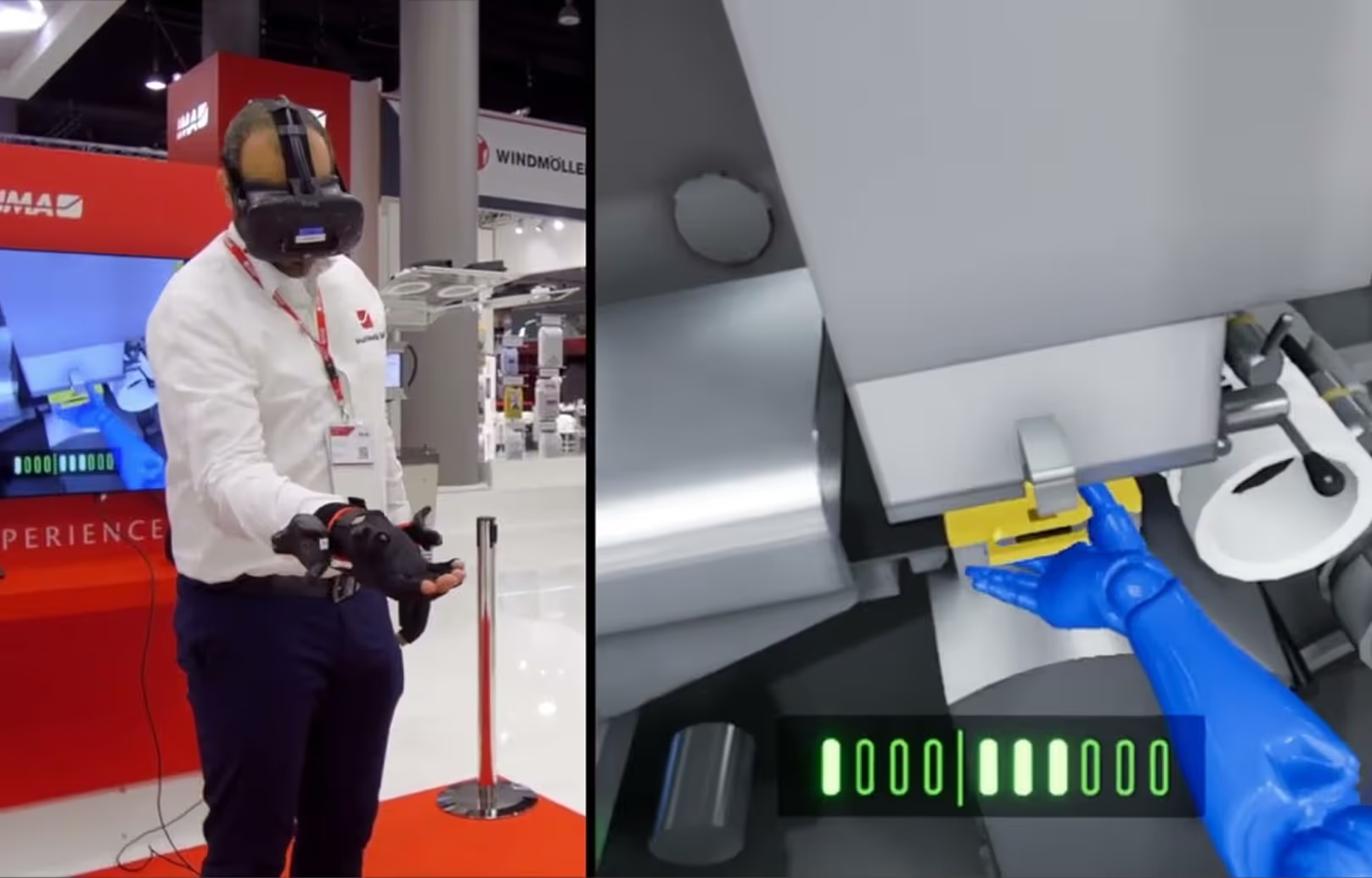
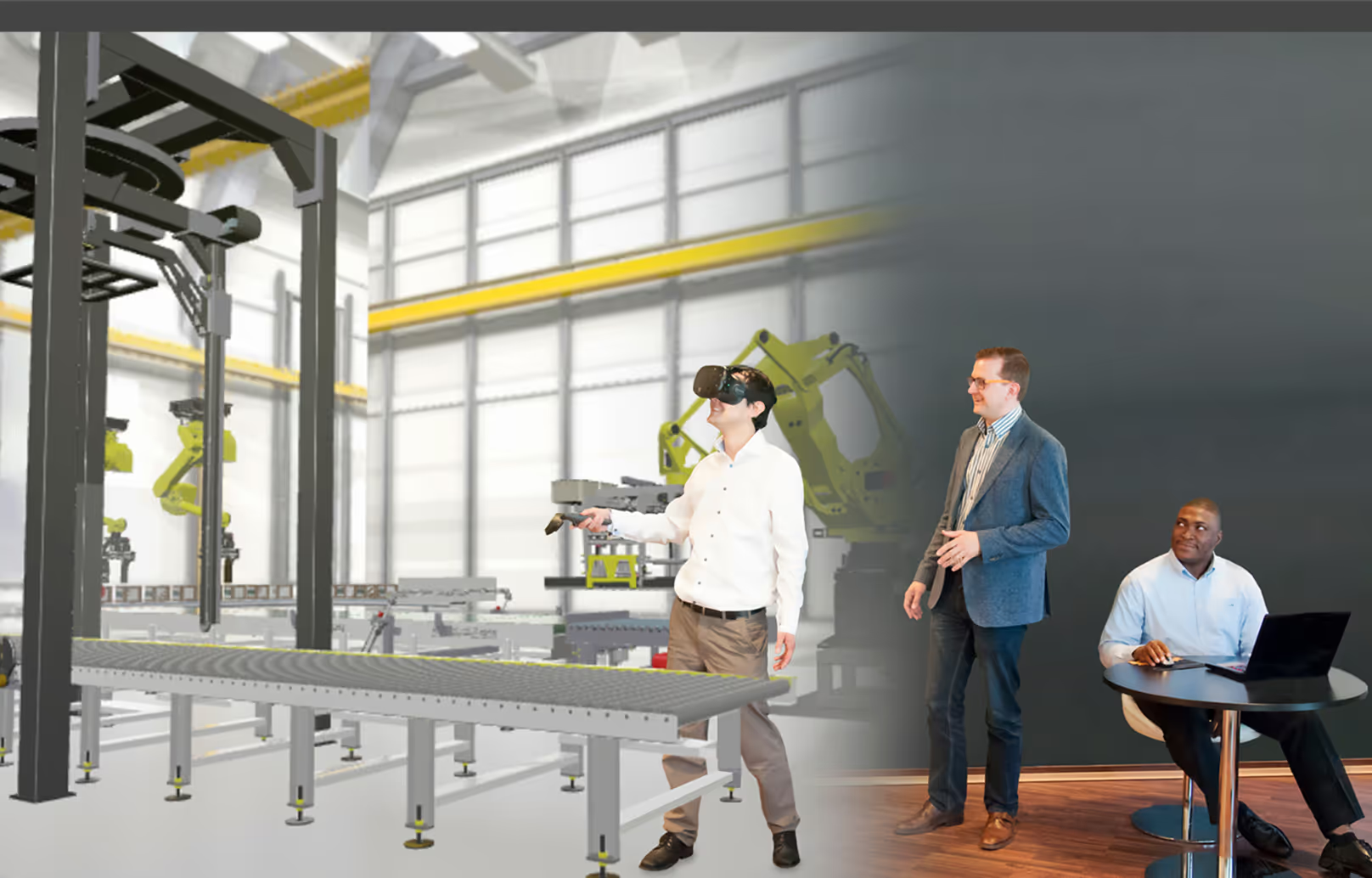
Virtual Reality 360° Factory Tour allows you to showcase manufacturing excellence at exhibitions, client meetings, and presentations while overcoming space limitations and demonstrating production capability in action.It highlights the scale of your facility, safety measures, testing, and processes, and lets viewers explore manufacturing machines in action and engage with the product process as if they were physically there.
Transport visitors directly to your manufacturing facility from anywhere in the world.
Provide a realistic, interactive experience that simulates an on-site visit.
Enable viewers to examine products from every angle in real-world contexts.
Tailor virtual tours for different audiences such as buyers, partners, or trainees.
Use interactive elements and hotspots to guide viewers through processes or innovations.
Screen Size
32-inch touchscreen (other sizes available as per requirement).
Resolution
1920x1080 (Full HD) for clear display of 360° visuals.
Operating System
Android 11 or equivalent, suitable for running 360° content and apps.
Screen Size
Wi-Fi, Bluetooth, LAN, with options to run without continuous Internet once content is deployed.
Power Requirements
100–240V AC, compatible with typical exhibition and office setups.
Factory layout and zones to be covered.
Safety guidelines for on-site crew.
Branding assets, logos, and key messages.
Any existing videos or process documents for reference.
Preferred devices and deployment environments (VR, web, kiosk).
Story-boarded 360° factory tour aligned to your priorities.
Interactive hotspots, information panels, and optional AI voiceover.
Exported tour for VR headsets and/or interactive touch/web usage.
Basic usage and deployment guidelines for your teams
Support window for initial deployment and feedback-led refinements.
Number of locations and size of the facility to be covered.
Number of 360° points and complexity of the storyboard.
Level of interactivity, hotspots, and AI integration required.
Number of device formats (VR, web, kiosk) and branding variants.
Support, warranty, and ongoing content update requirements.
A basic pricing structure can be shared as a starting point, with clear mention that customisation, scale, and additional modules will influence the final commercial.