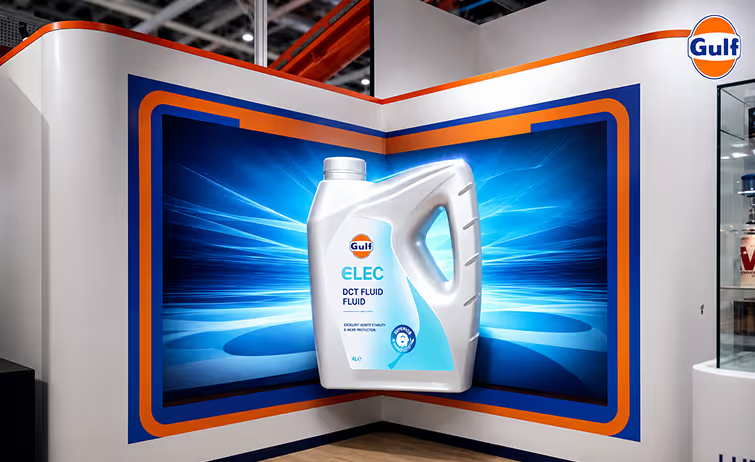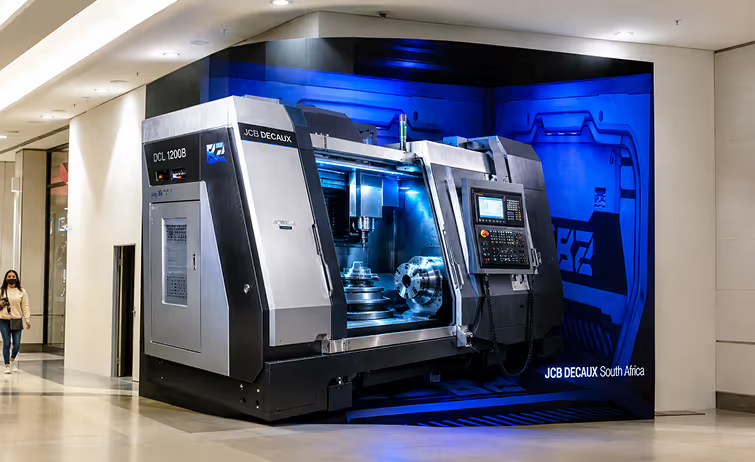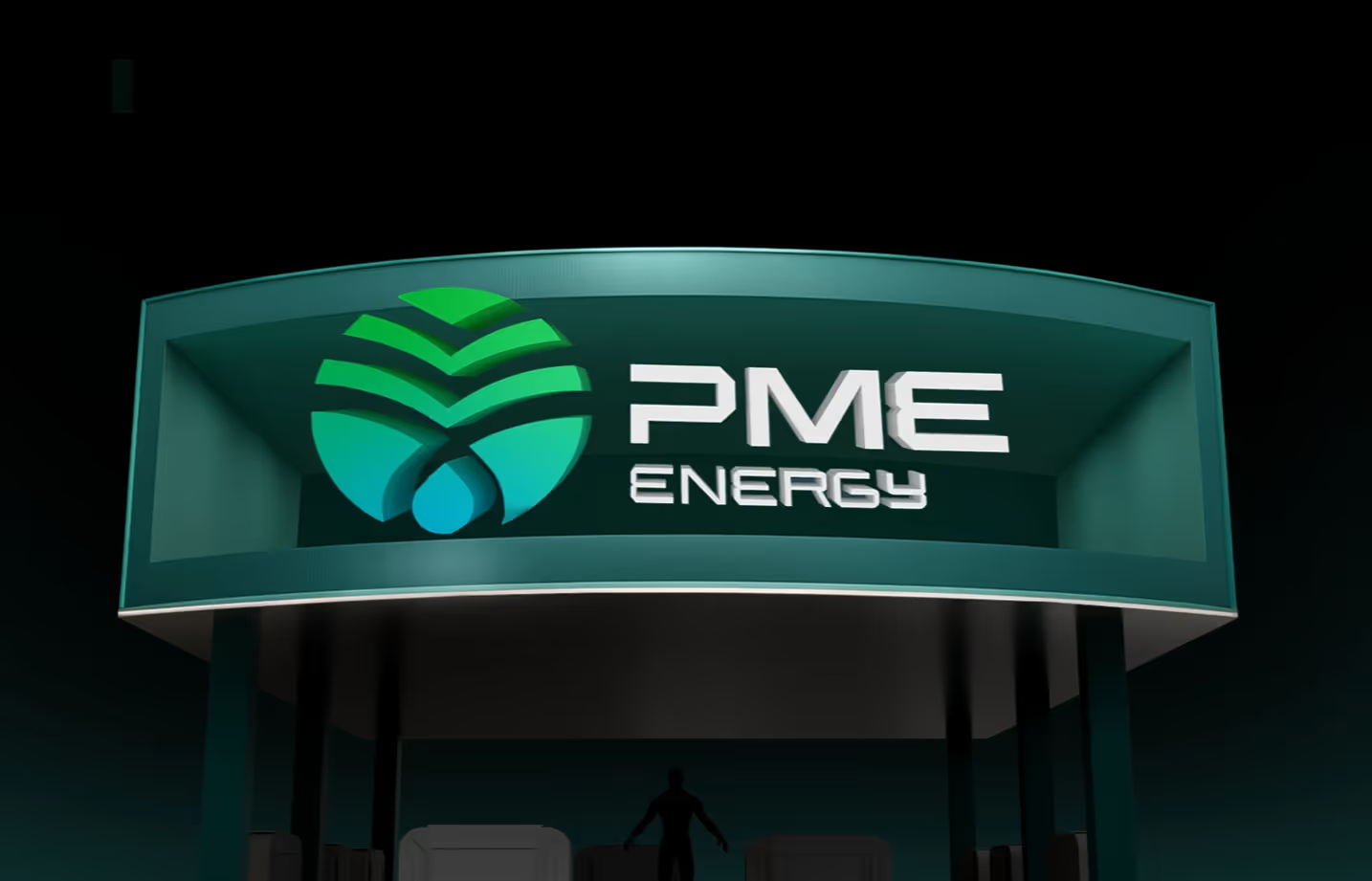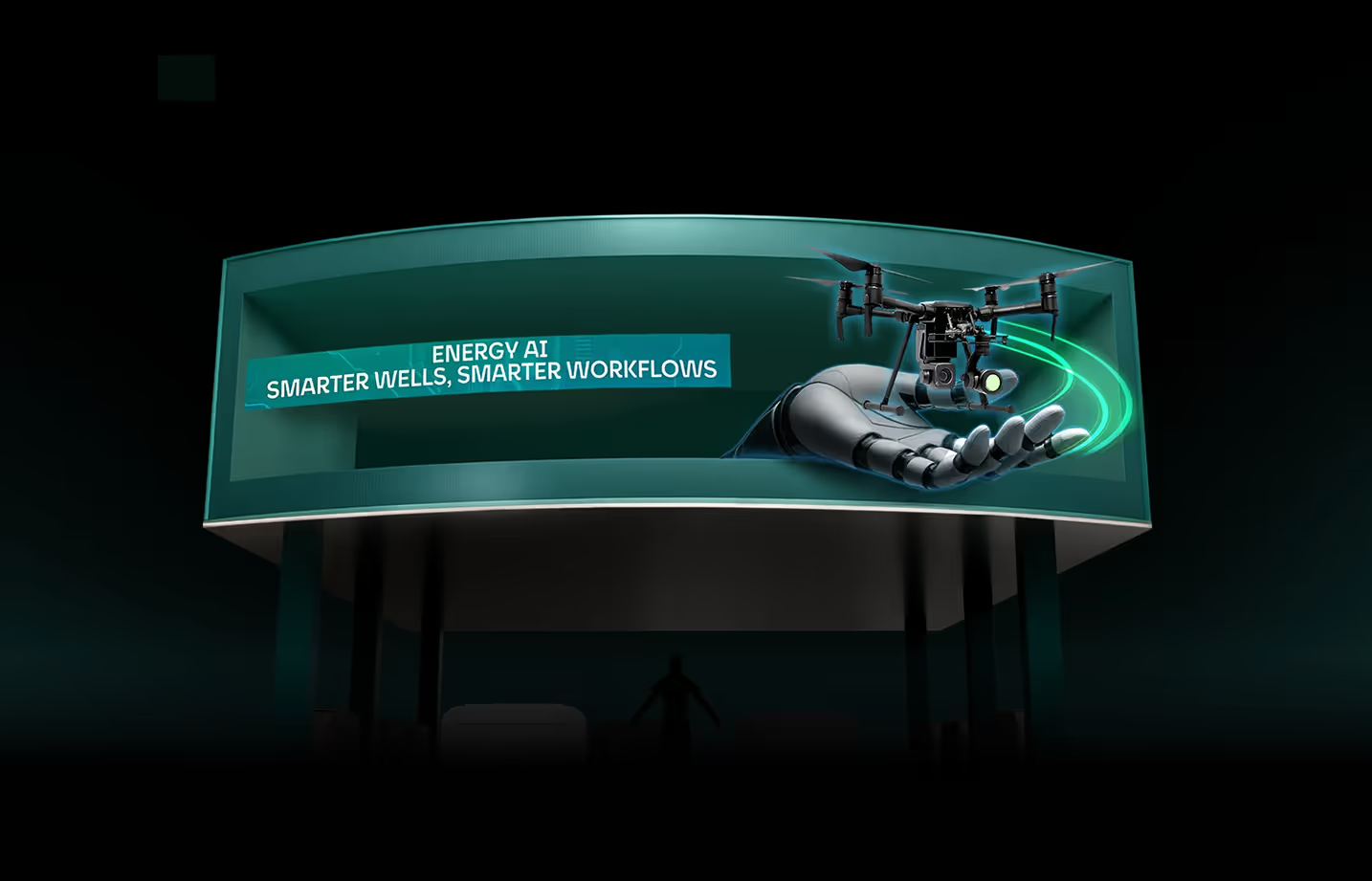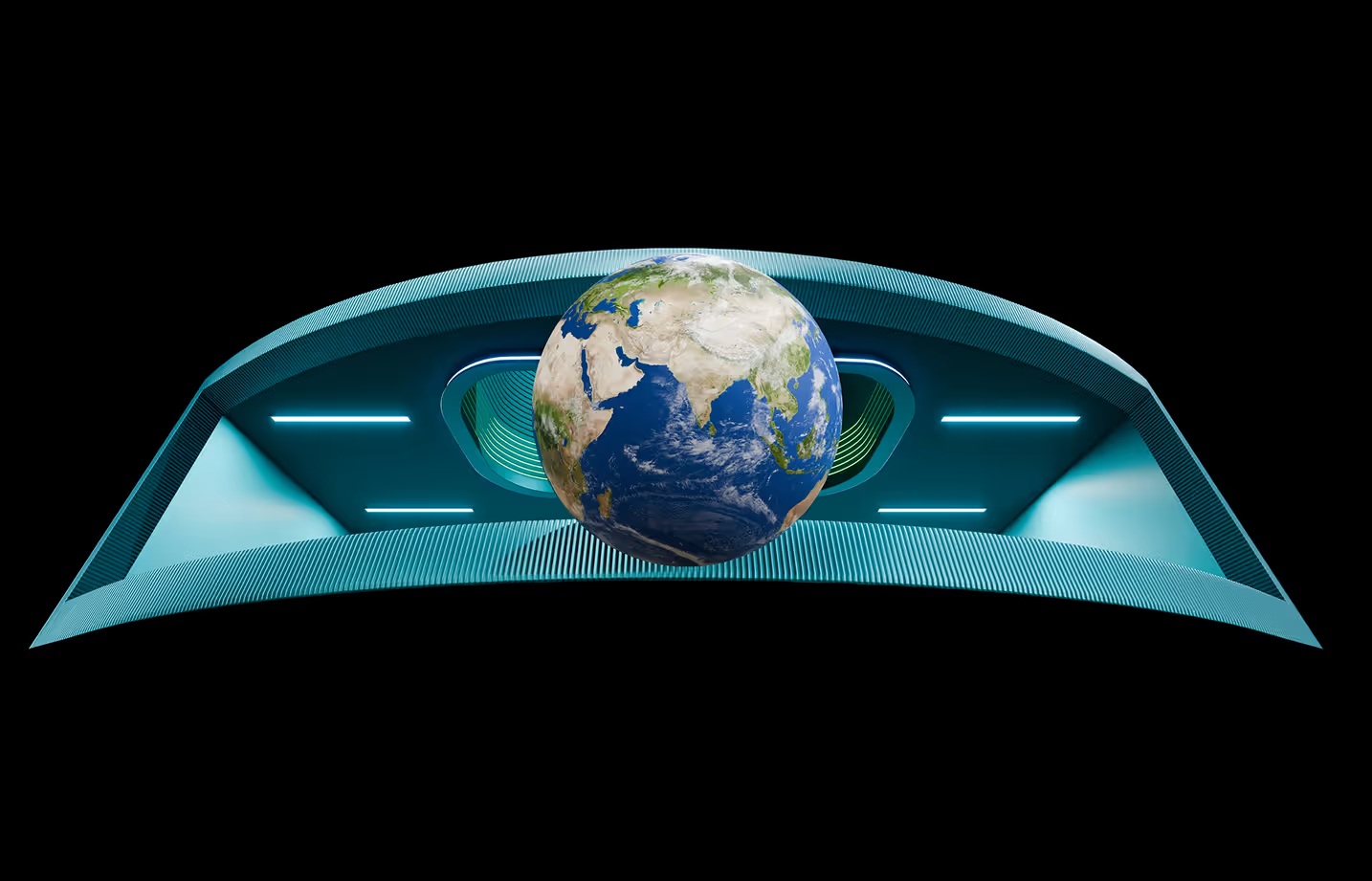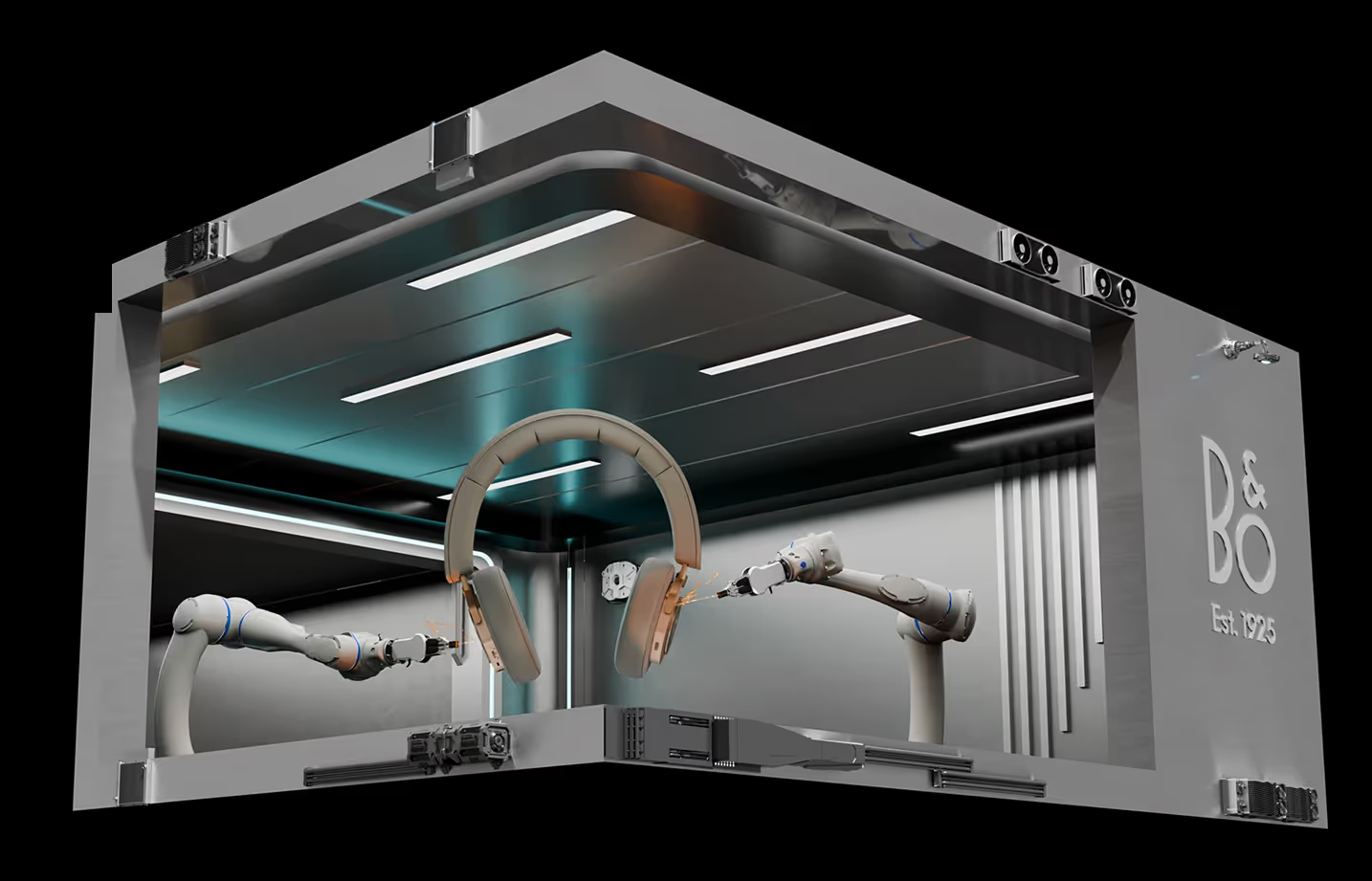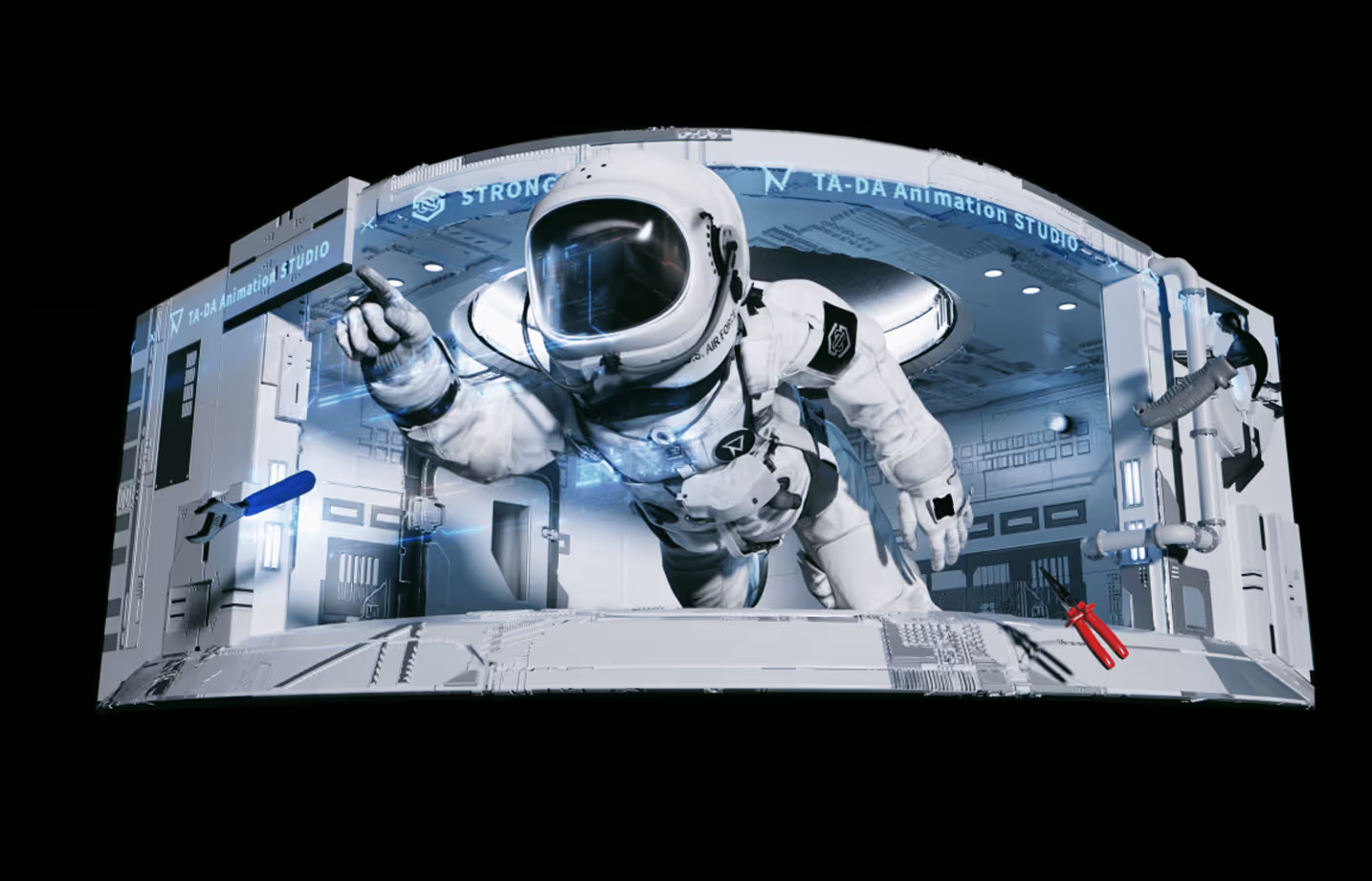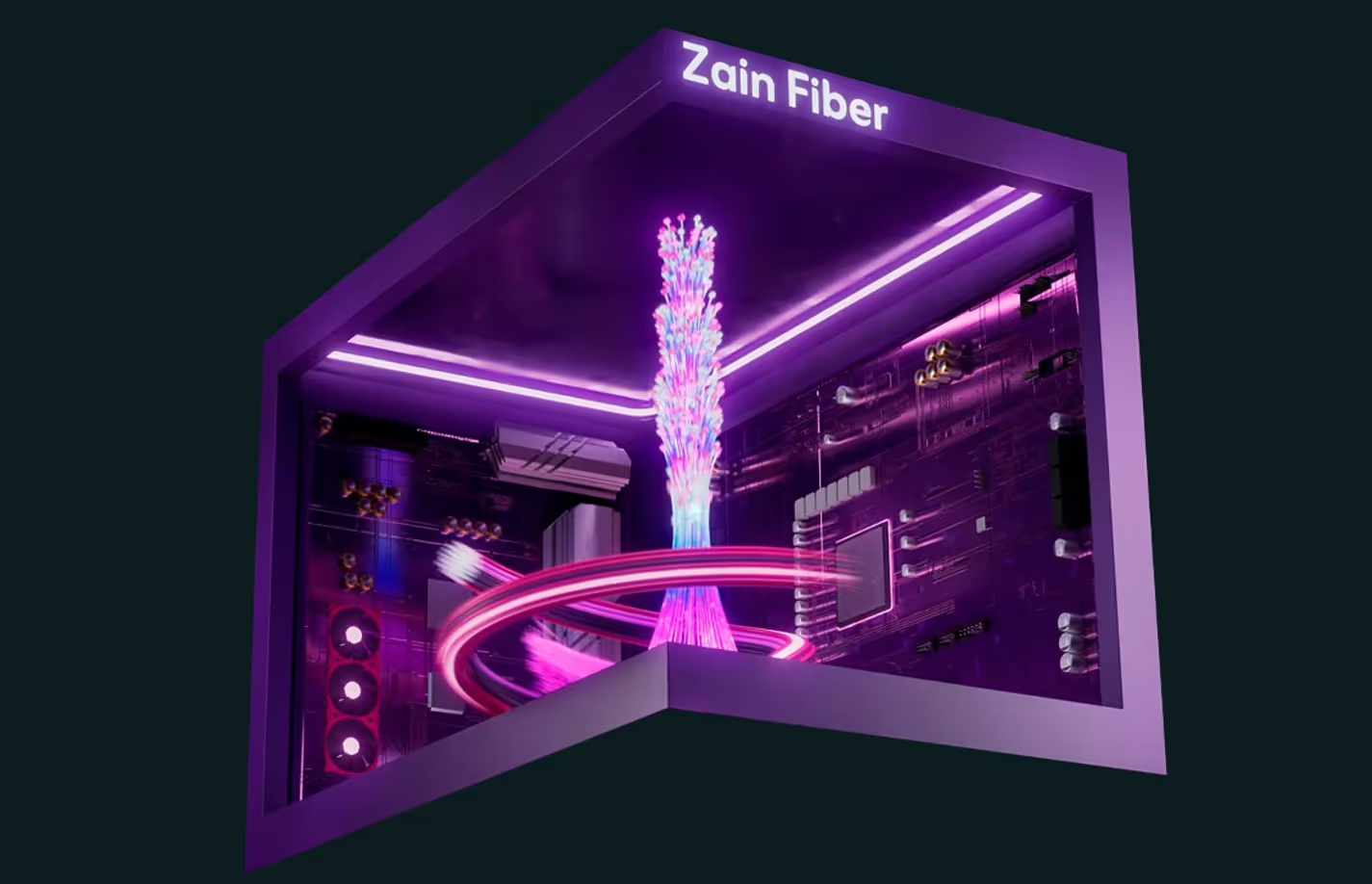
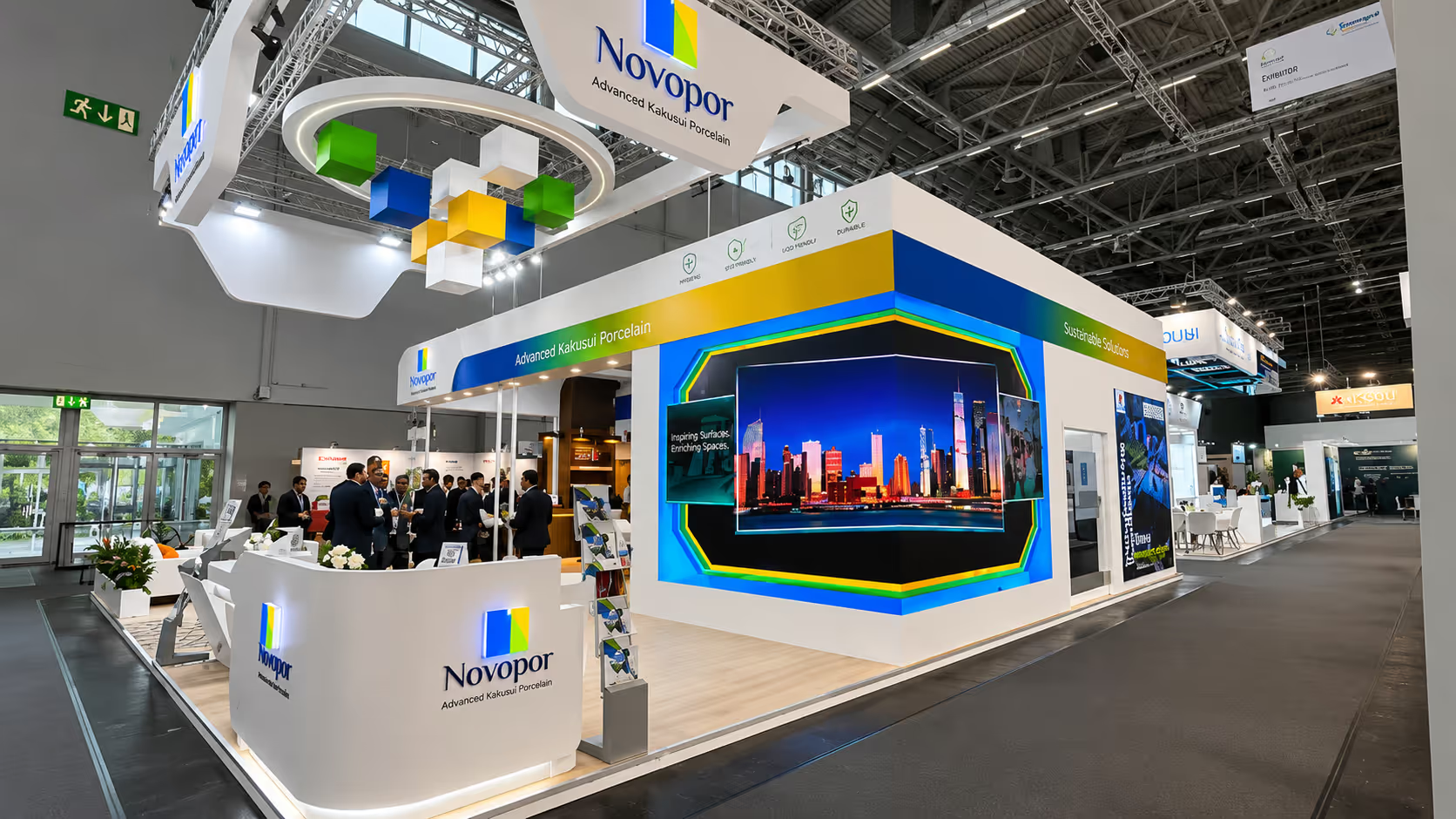






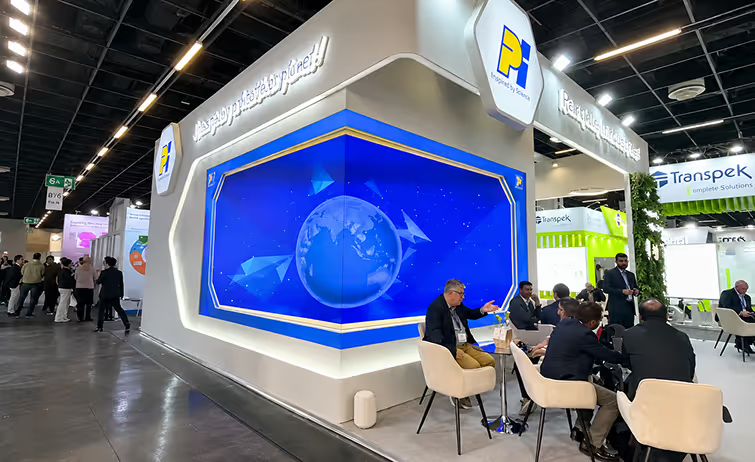
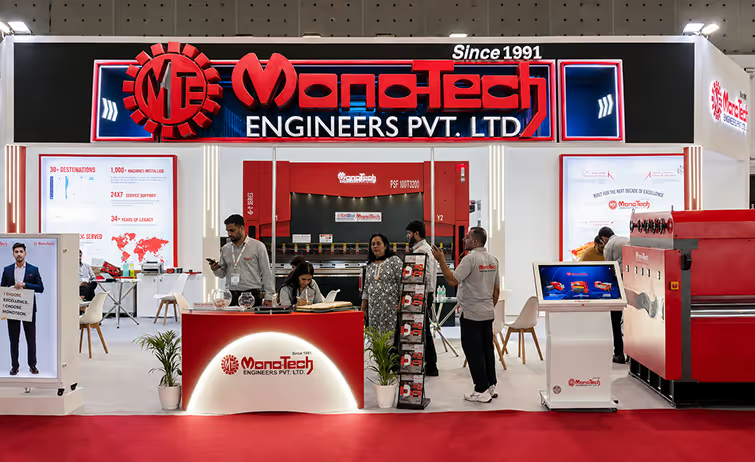
Anamorphic LED walls are transforming exhibition booths by turning flat screens into immersive 3D illusions that instantly capture visitor attention and increase dwell time. Brands use anamorphic content at trade shows to showcase products in dramatic breakout visuals that boost engagement and brand recall.
This immersive 3D LED experience encourages visitors to film and share content on social media, amplifying exhibition marketing reach organically. Companies leveraging anamorphic LED displays at exhibitions position themselves as innovative, premium, and technology-driven in the minds of potential customers.
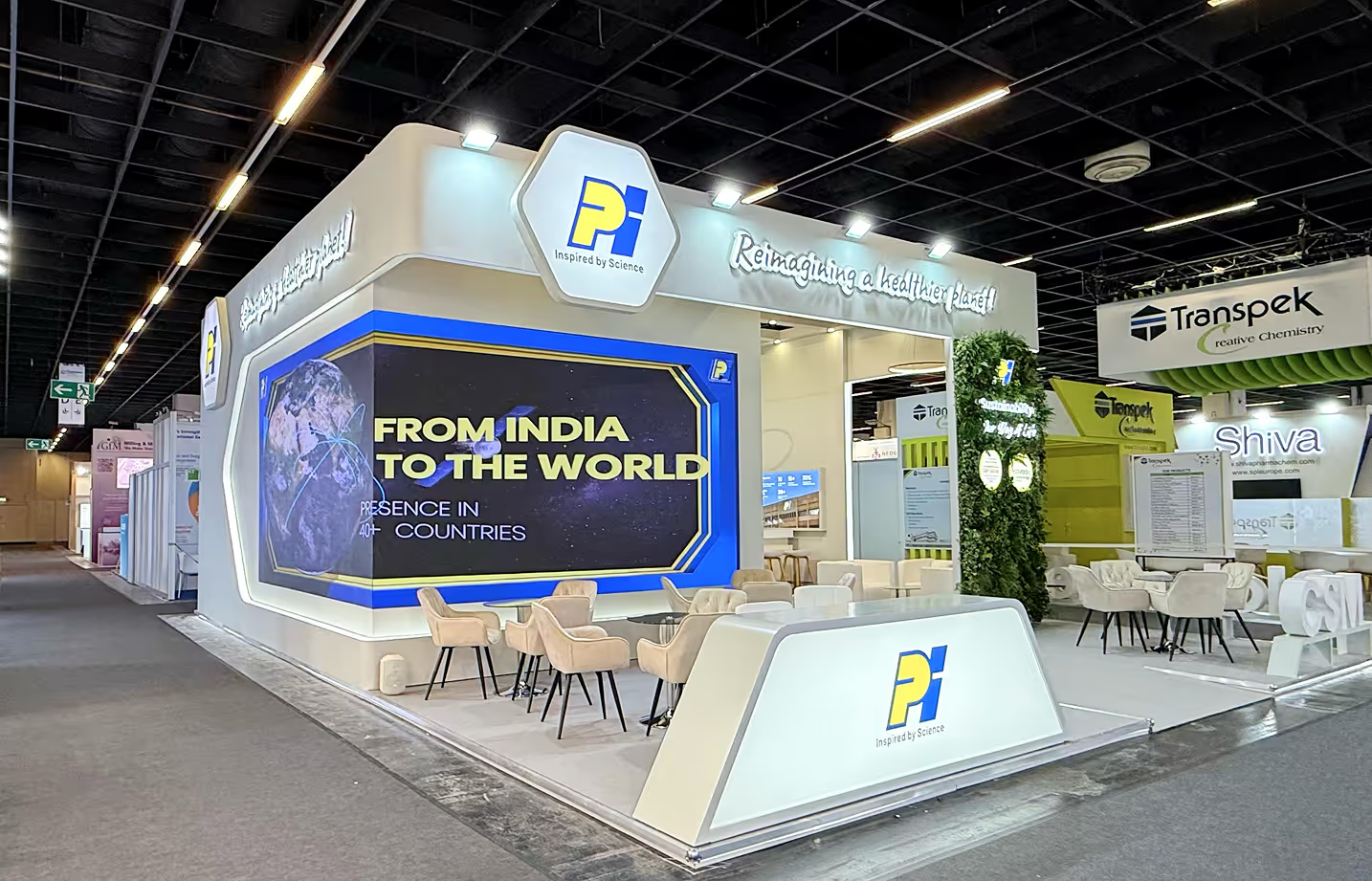
Anamorphic content is video built with forced perspective so that, from one specific viewing angle, three-dimensional objects appear to break out of the LED surface and occupy the booth aisle. The technique is documented in Renaissance painting and has been adapted for high-resolution digital walls. On exhibition floors, it serves a single commercial purpose: pulling passing visitors across the aisle before competing booths register in their peripheral vision. Two requirements determine whether the illusion lands — accurate environmental mapping during pre-production, and a pixel pitch fine enough that the visitor sees no individual diodes at the stopping point.
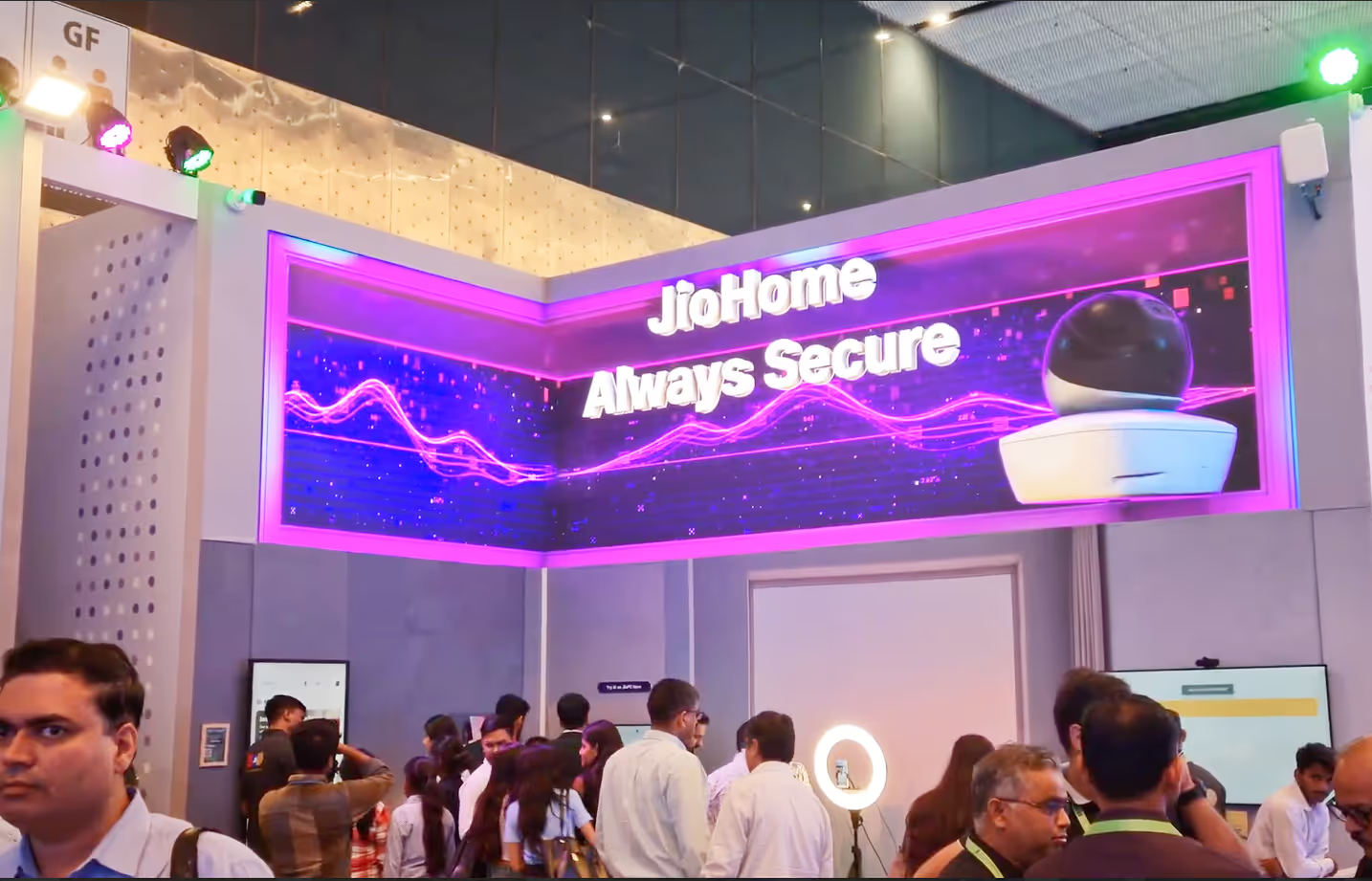
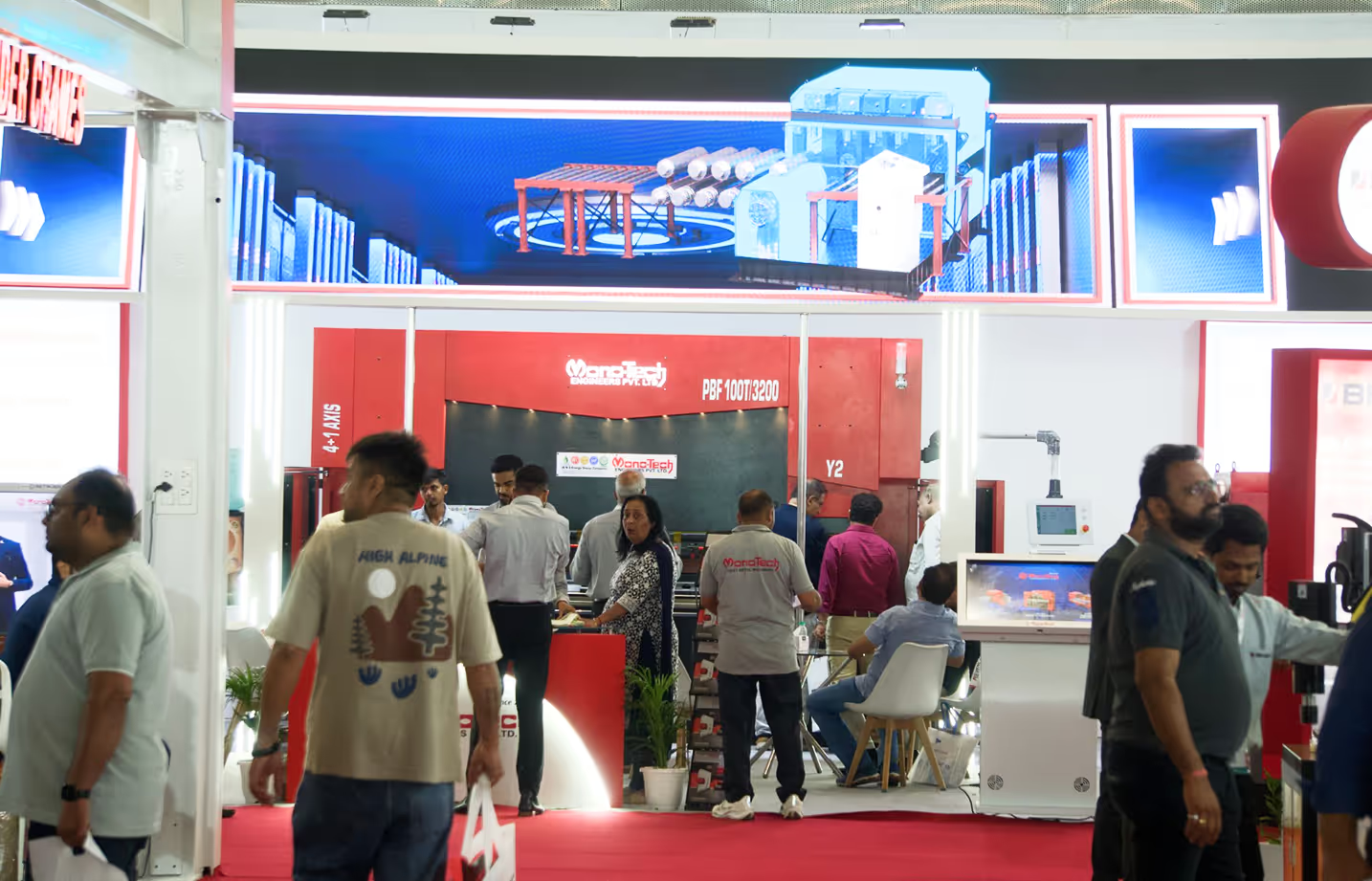

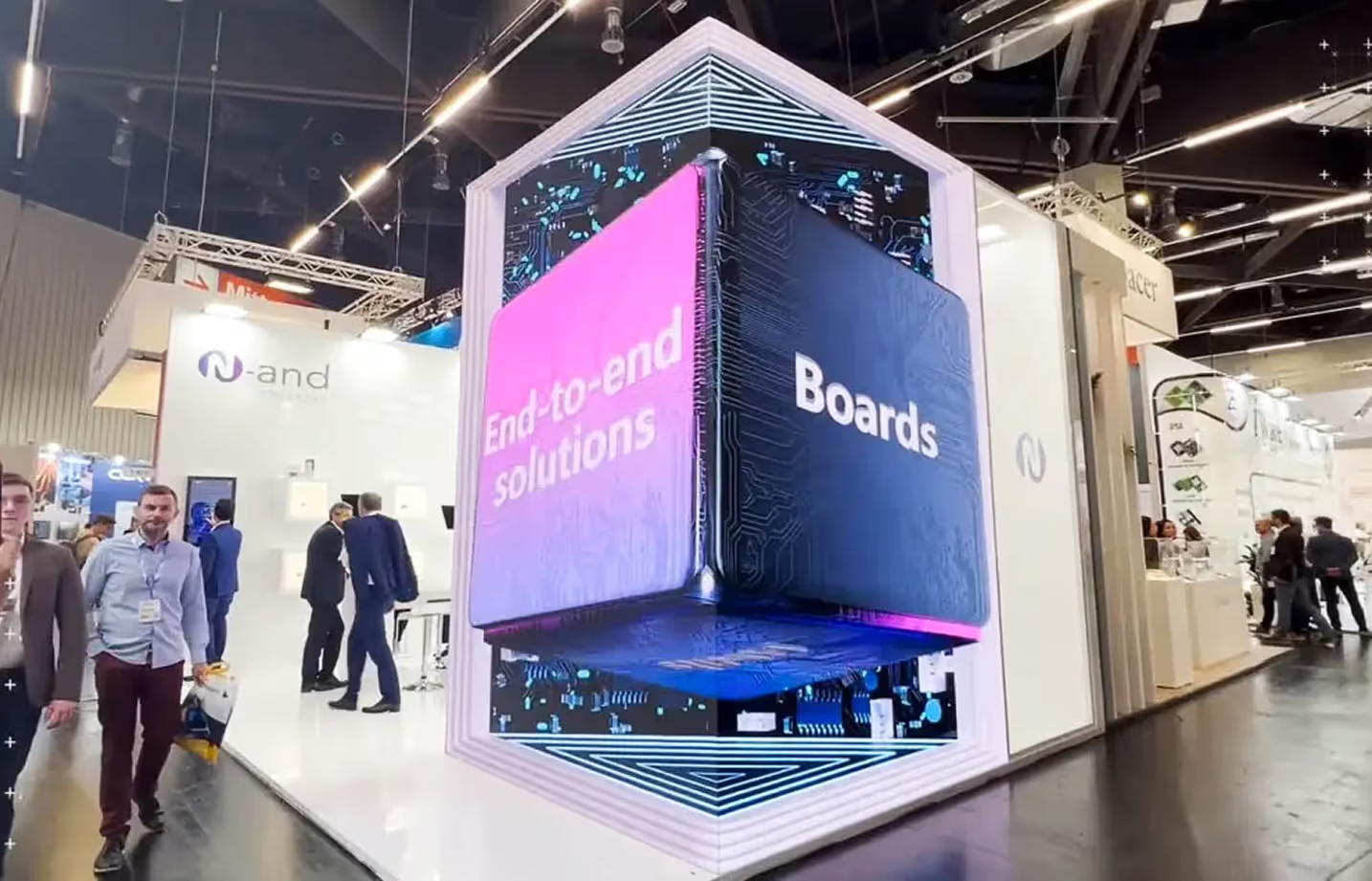
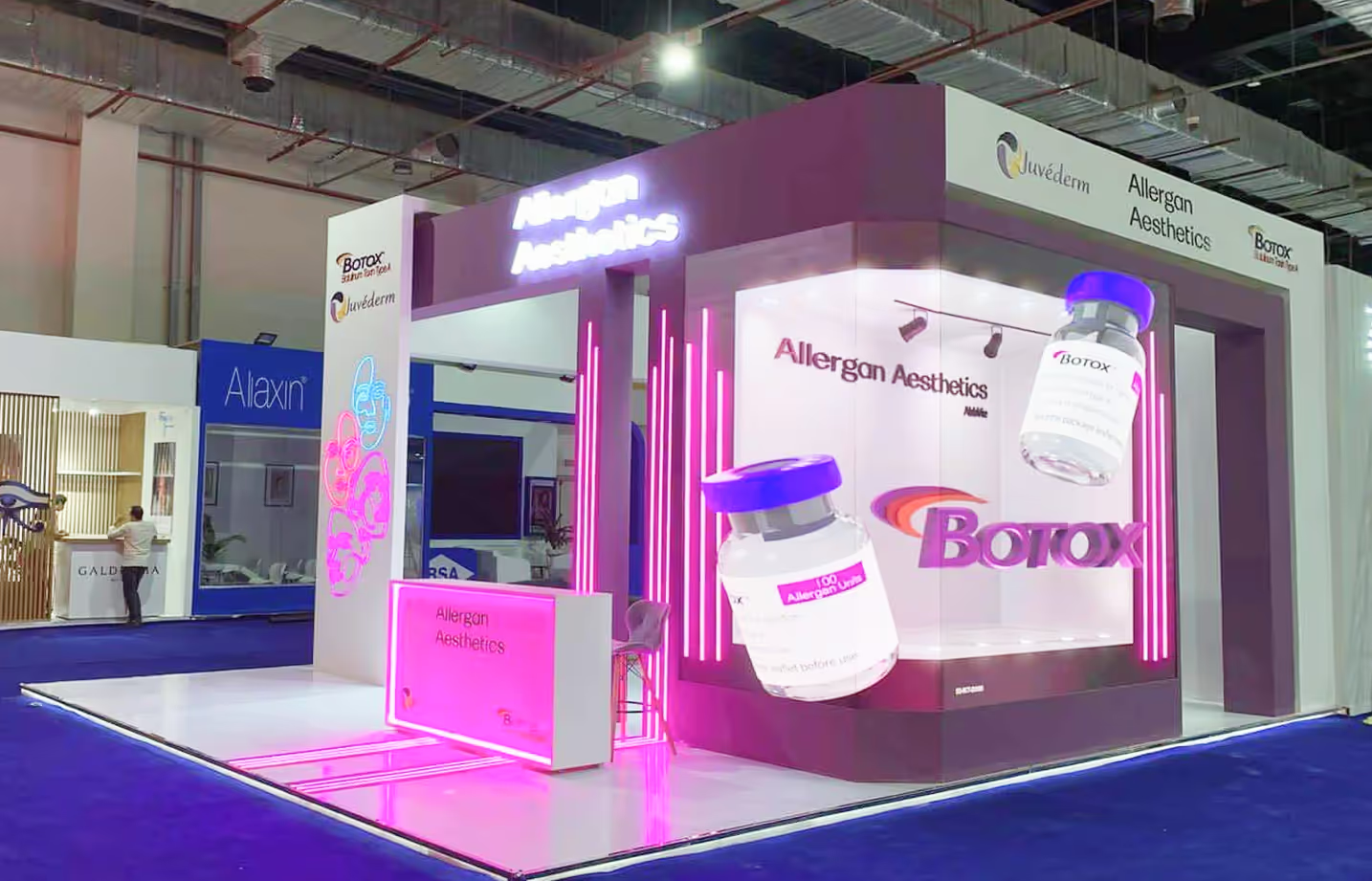
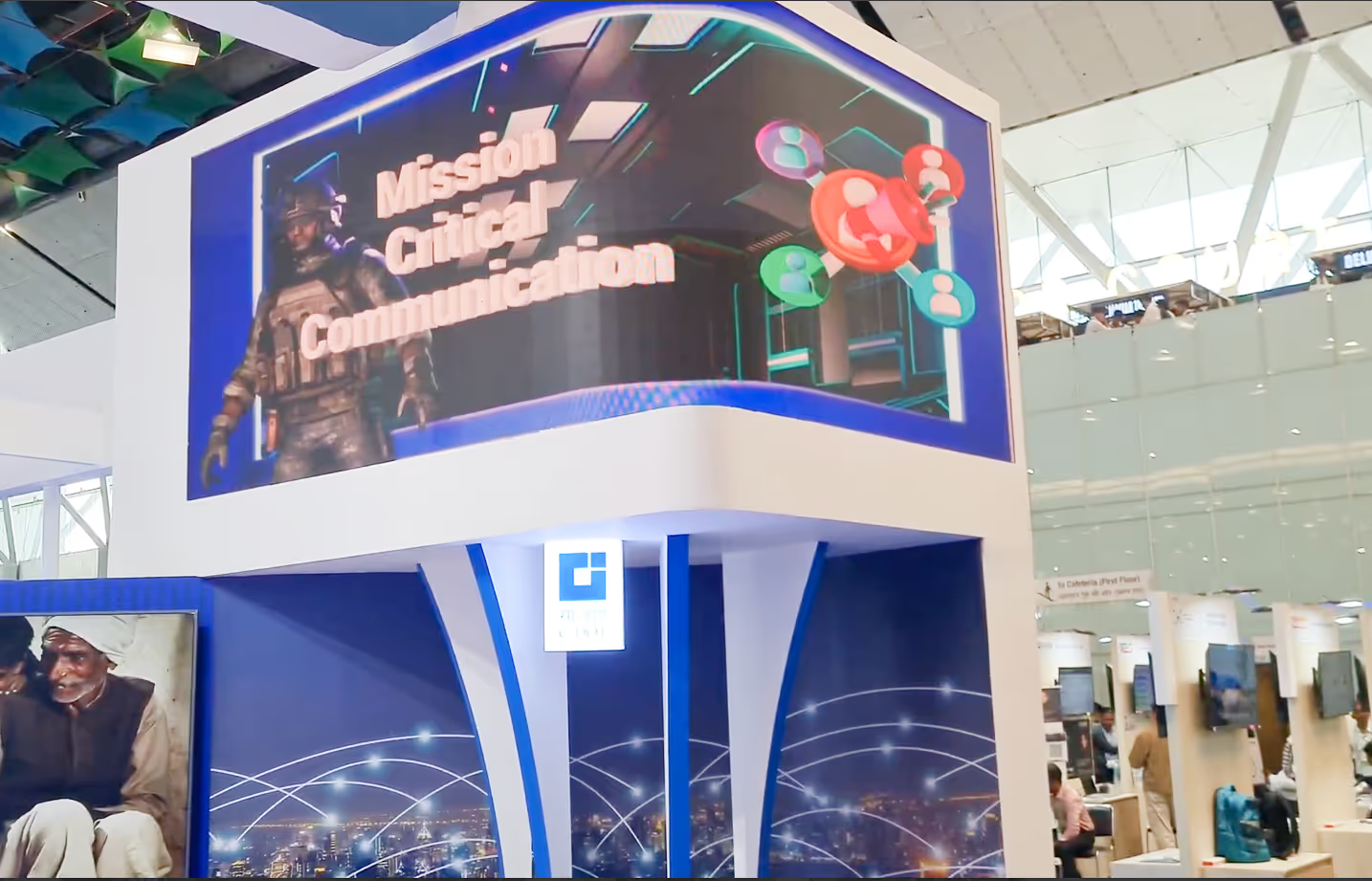
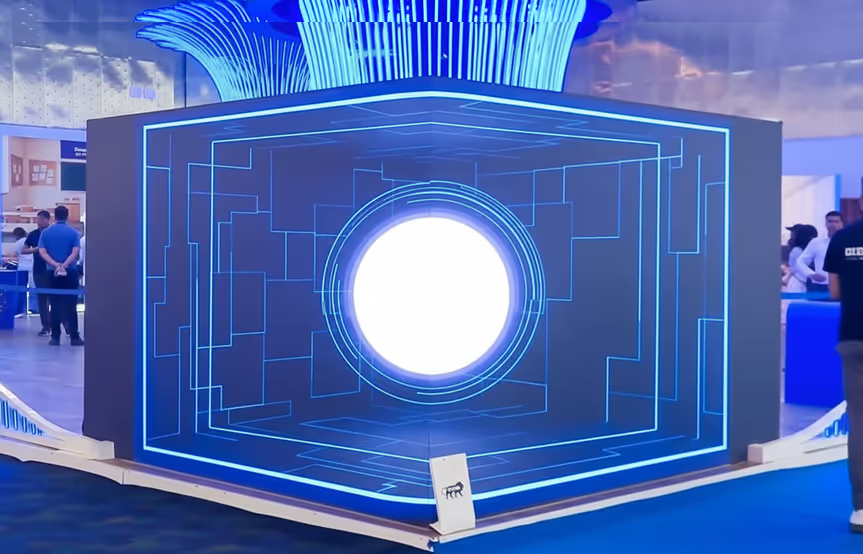

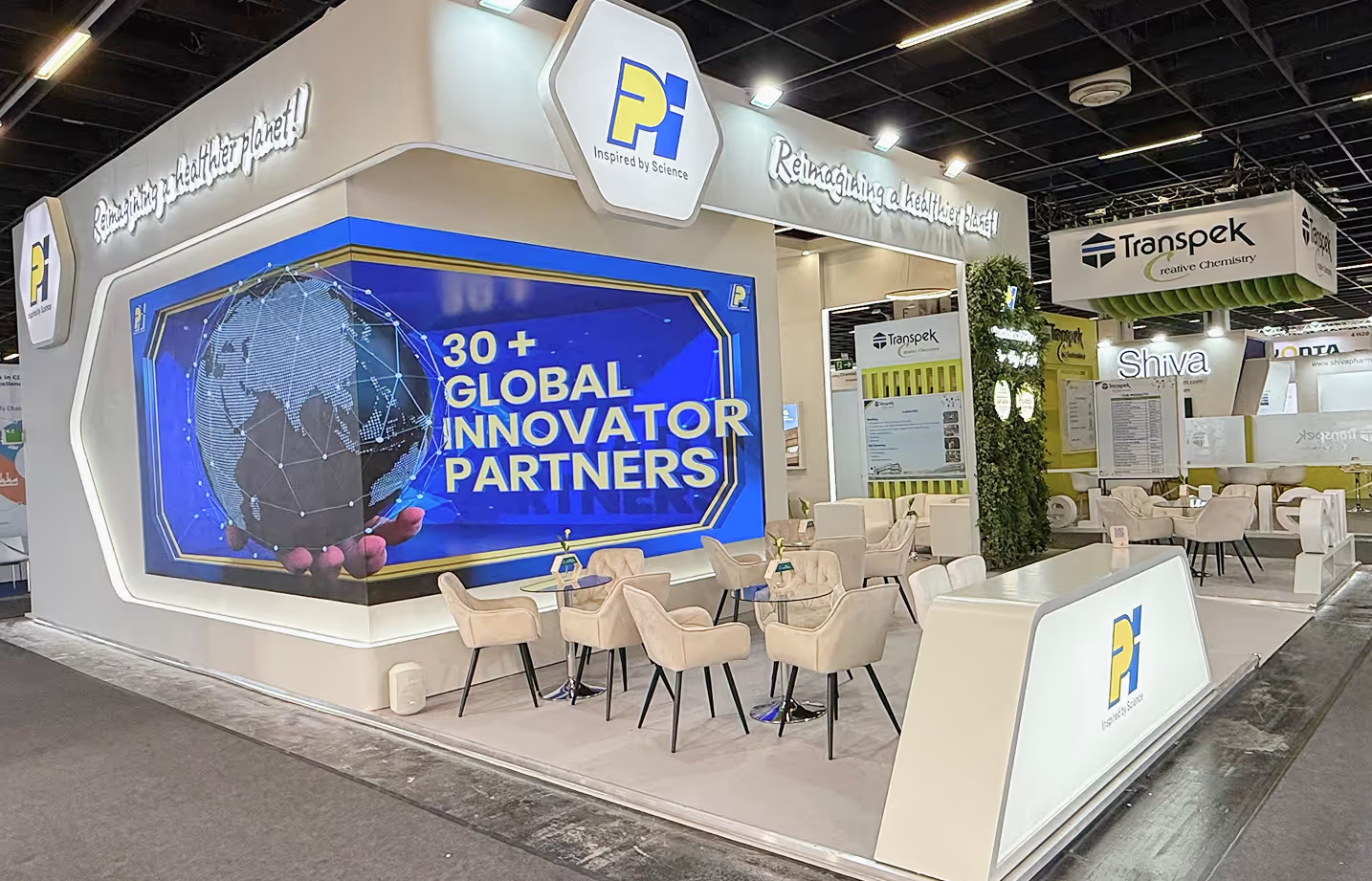
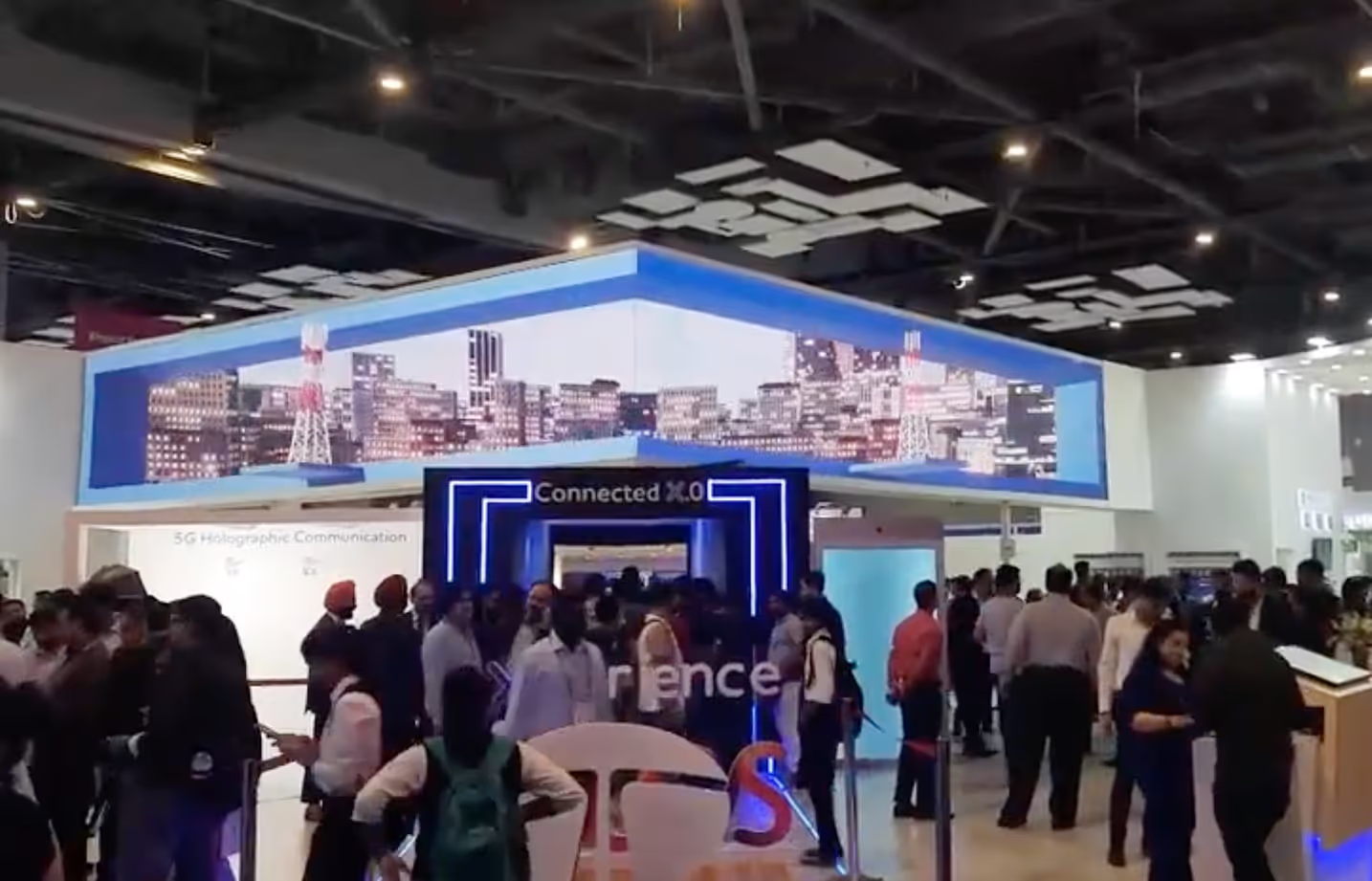
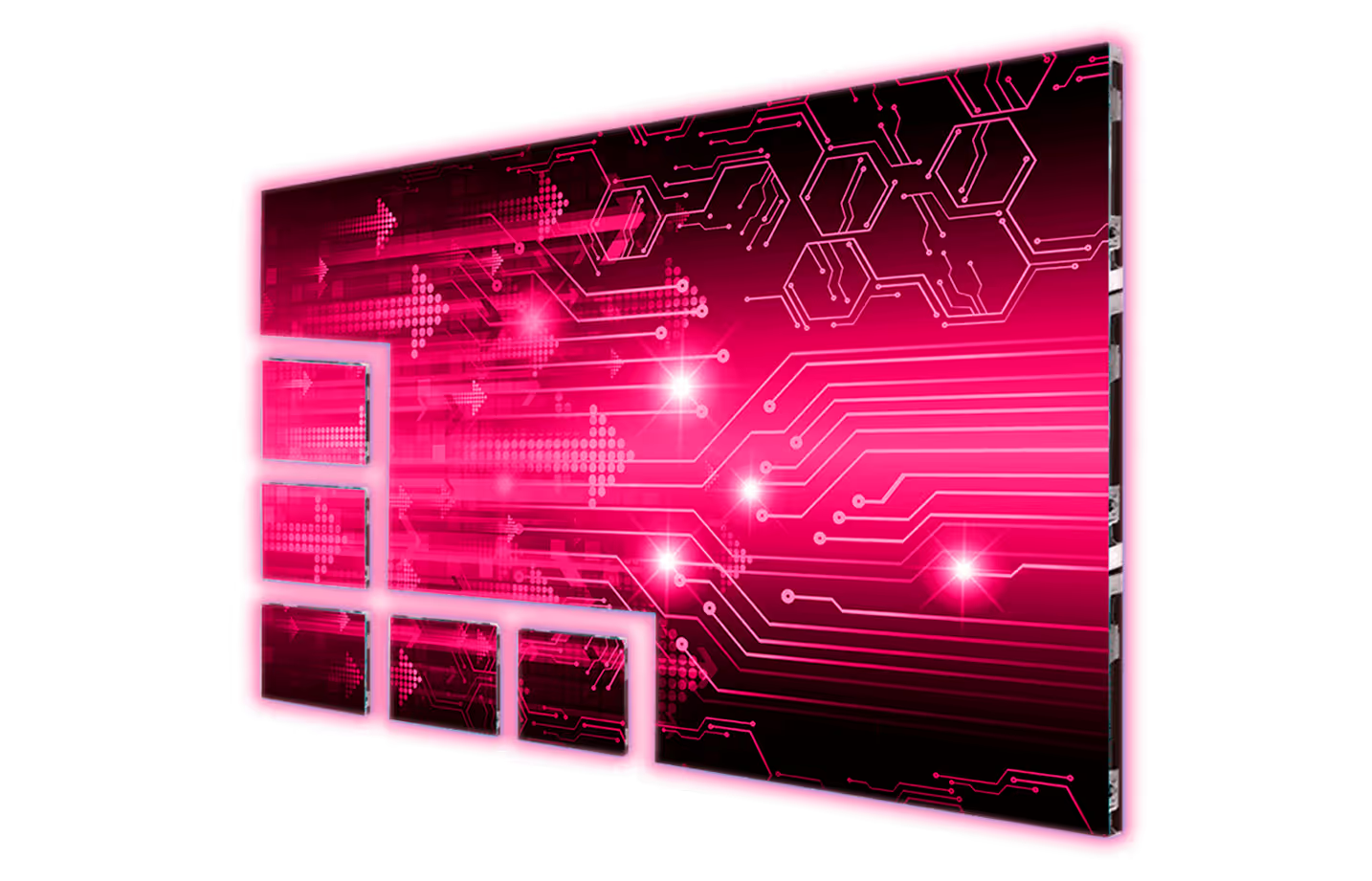
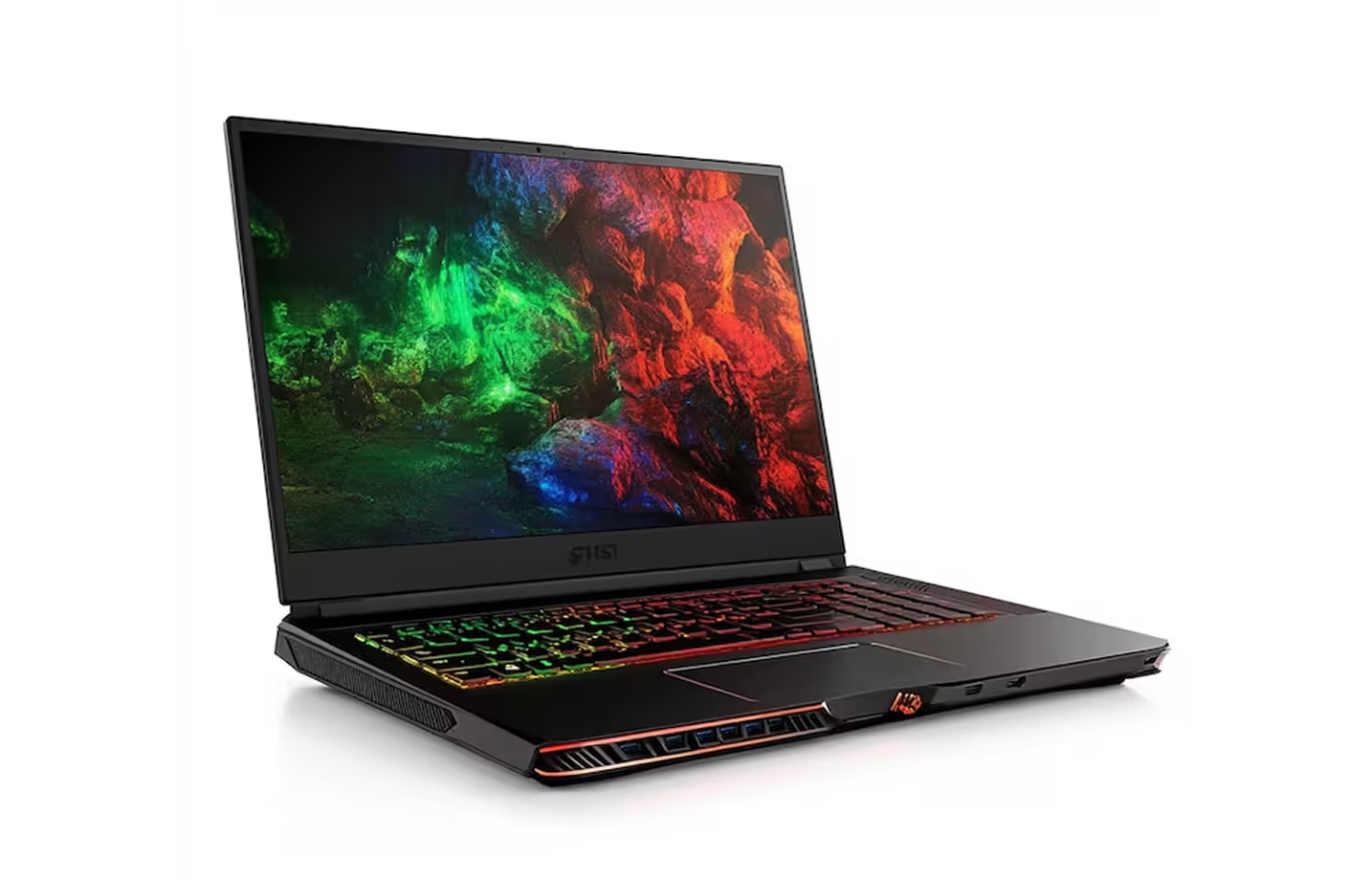
Three hardware components carry the load on an anamorphic install. The LED panels themselves are usually P2.5 or P3 pixel pitch when the closest visitor stopping distance is under 5 metres — a P4 panel saves cost but visibly pixelates the illusion at close range. The media server handles 3D playback, pixel mapping, and synchronisation across multiple panel arrays; for L-shape and U-shape installs, the server must support per-panel content slicing. The graphics workstation handles content creation off-site and stages the final assets onto the server. A separate calibration tool kit covers brightness, colour matching across panel batches, and seam alignment on the show day.
The booth's physical footprint and visitor flow determine which of six configurations earn the cost. A straight flat fascia suits linear booths and frontal-only viewing. An L-shape corner installation is the most-deployed configuration for high-impact stands because the 90-degree junction creates the strongest perceived depth. A double-sided wall serves island booths where visitors arrive from opposite aisles. A U-shape wraps visitors with three walls of content for storytelling. A curved arc produces a flowing premium aesthetic for luxury and architectural exhibitors. A hybrid combination handles irregular booth geometries where one configuration alone will not fit. The cards below describe the use case, viewing geometry, and cost tier of each.