
Tractors and Farm Equipment Limited (TAFE) is India’s third-largest tractor manufacturer and among the top five globally.
With a presence across 100+ countries and a legacy spanning six decades of agricultural excellence, TAFE represents one of India’s most respected enterprise brands in the agricultural machinery sector.
For an organisation of this stature, the challenge was never about product quality — it was about communicating that quality at the depth it deserved, to buyers who needed to understand the engineering intelligence behind every machine.
Agricultural B2B selling is technically complex. Decision-makers — dealers, distributors, institutional buyers — need more than a machine on the floor.
They want to understand the engineering intelligence behind it: why this tractor, what makes it different, and what tangible value it delivers to the farmer. Traditional showrooms fall short of this brief.
For augmented reality for manufacturing companies and phygital showroom design, the core problem is consistent: physical presence creates interest, but not conviction.
The immersive technology gap between what buyers need to know and what a traditional showroom can show is precisely where Metaverse911 operates.
“Transform our products from static showpieces into stories that make buyers feel the machine before they buy it.”
The Metaverse911 team designed and deployed a comprehensive phygital experience center built around two technology pillars: precision 3D modelling and augmented reality storytelling.
Every product in the TAFE experience center was rebuilt as a precision 3D digital twin — capturing material texture, mechanical detail, and scale accuracy to serve as the foundation for each AR experience.
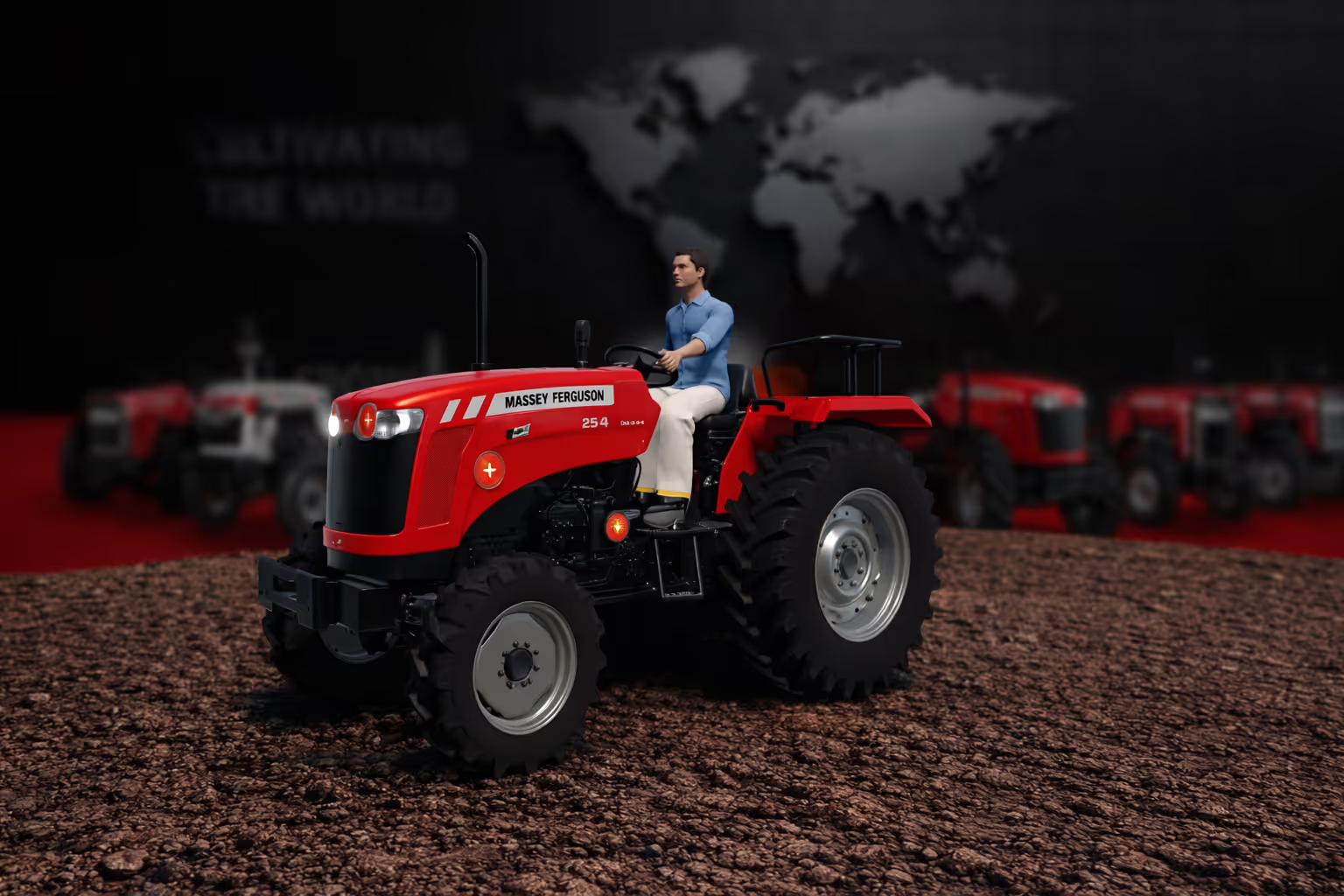
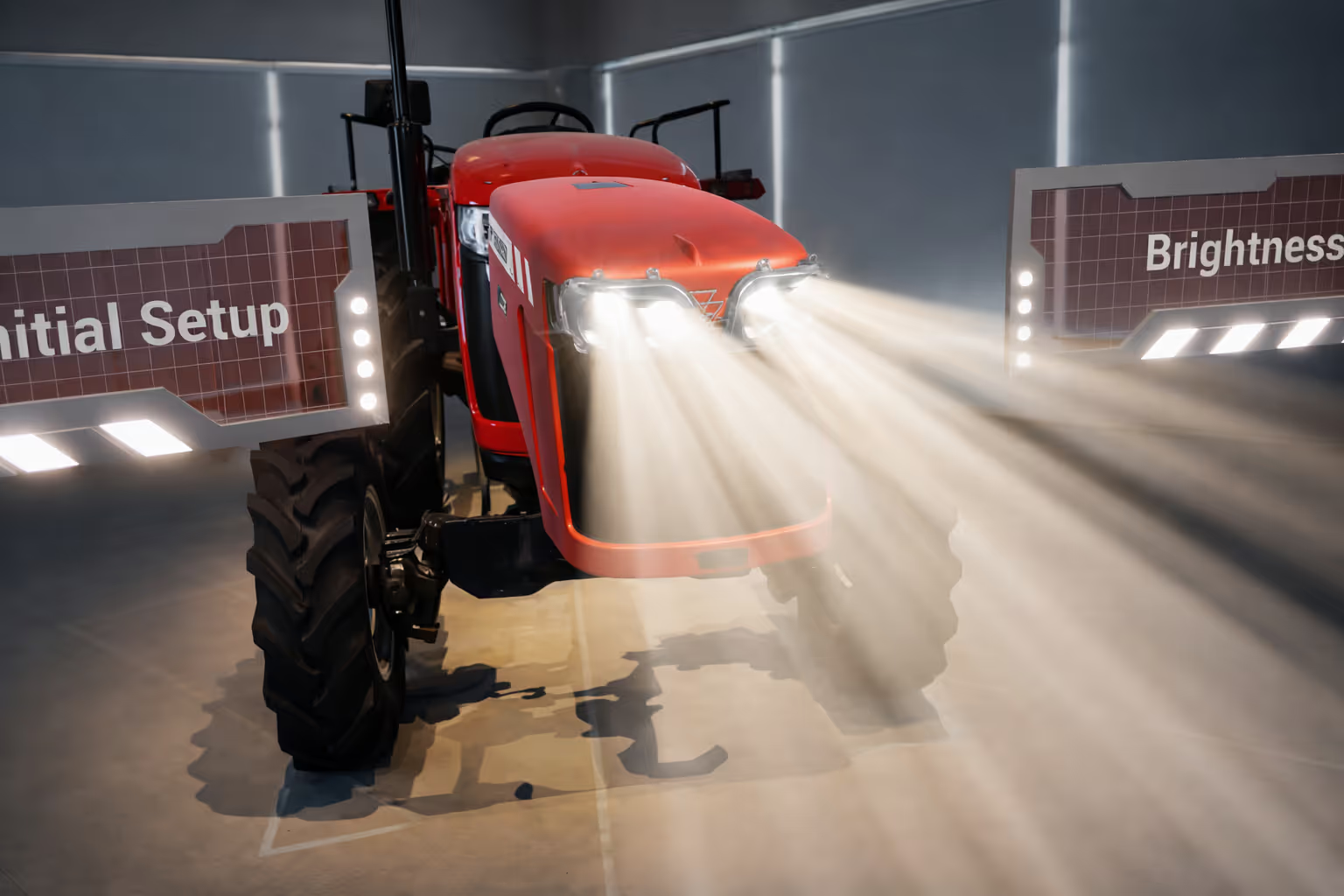
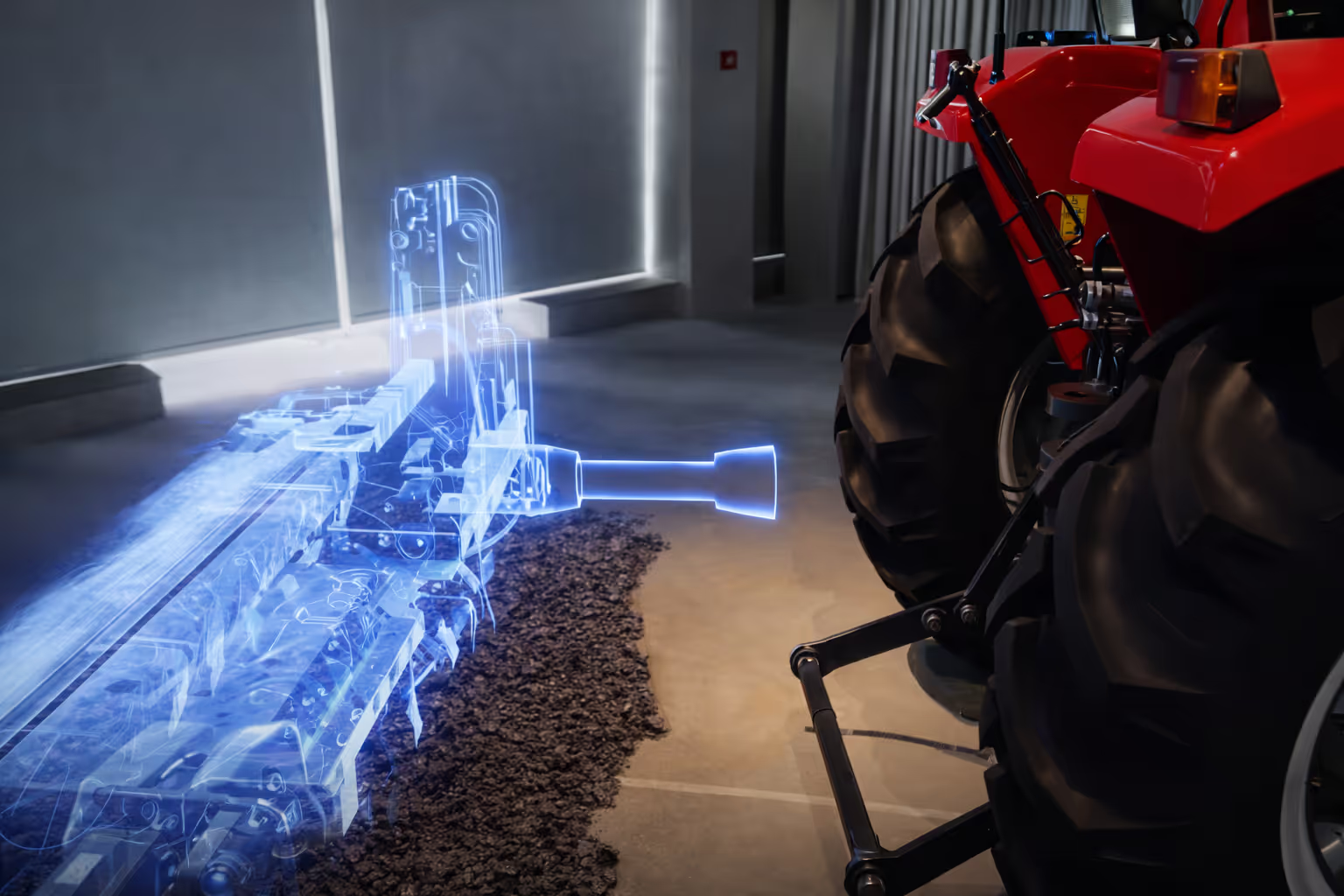
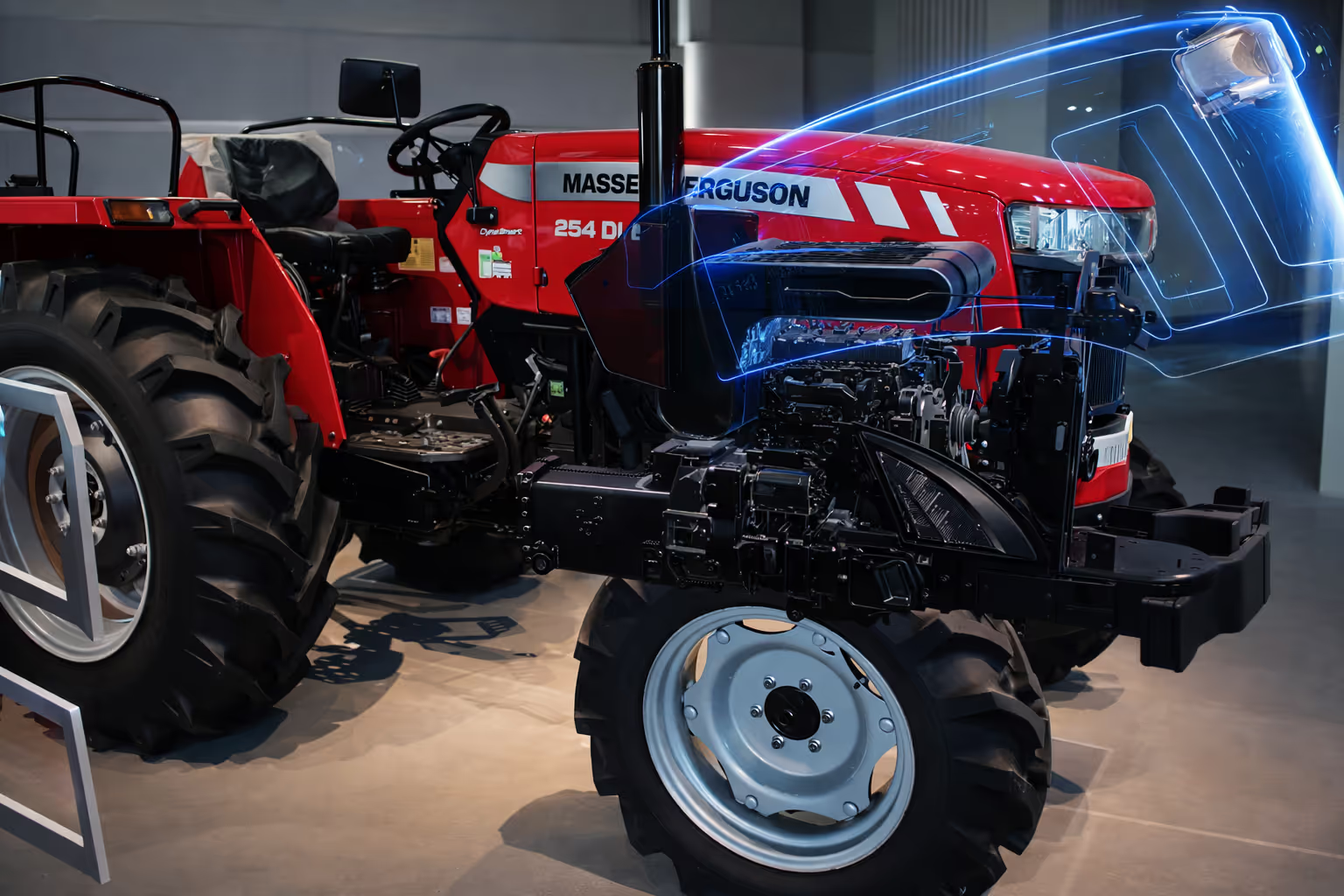
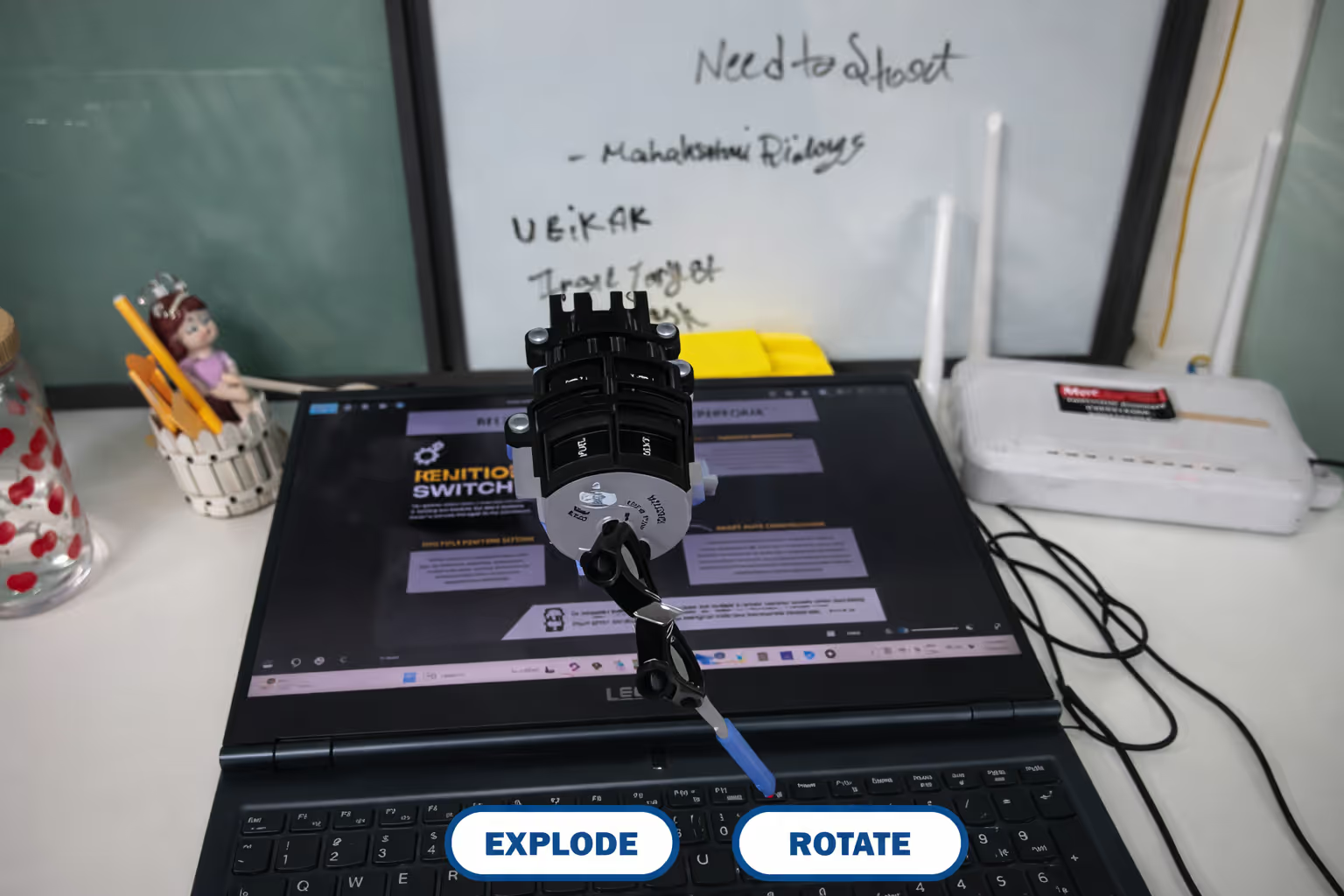
Each of the 19 products was equipped with its own AR scan trigger. Using a smartphone or tablet, visitors can instantly launch an AR narrative overlay — revealing internal components, animated feature callouts, and USP storytelling.
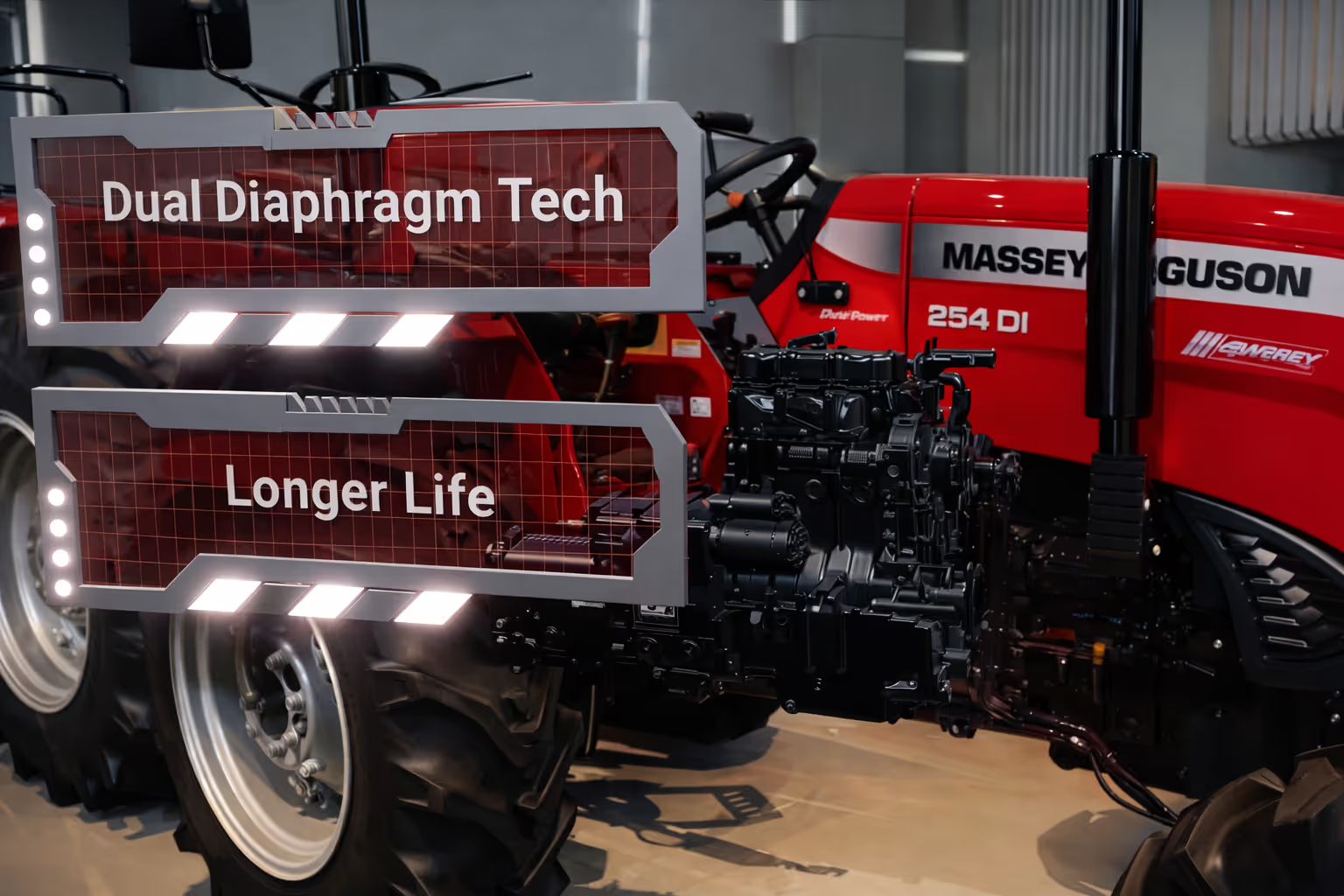
Rather than listing specifications, AR experiences dramatise each product’s differentiation — showing farmer benefits, engineering advantage, and real-world performance in a format that builds conviction, not just awareness.

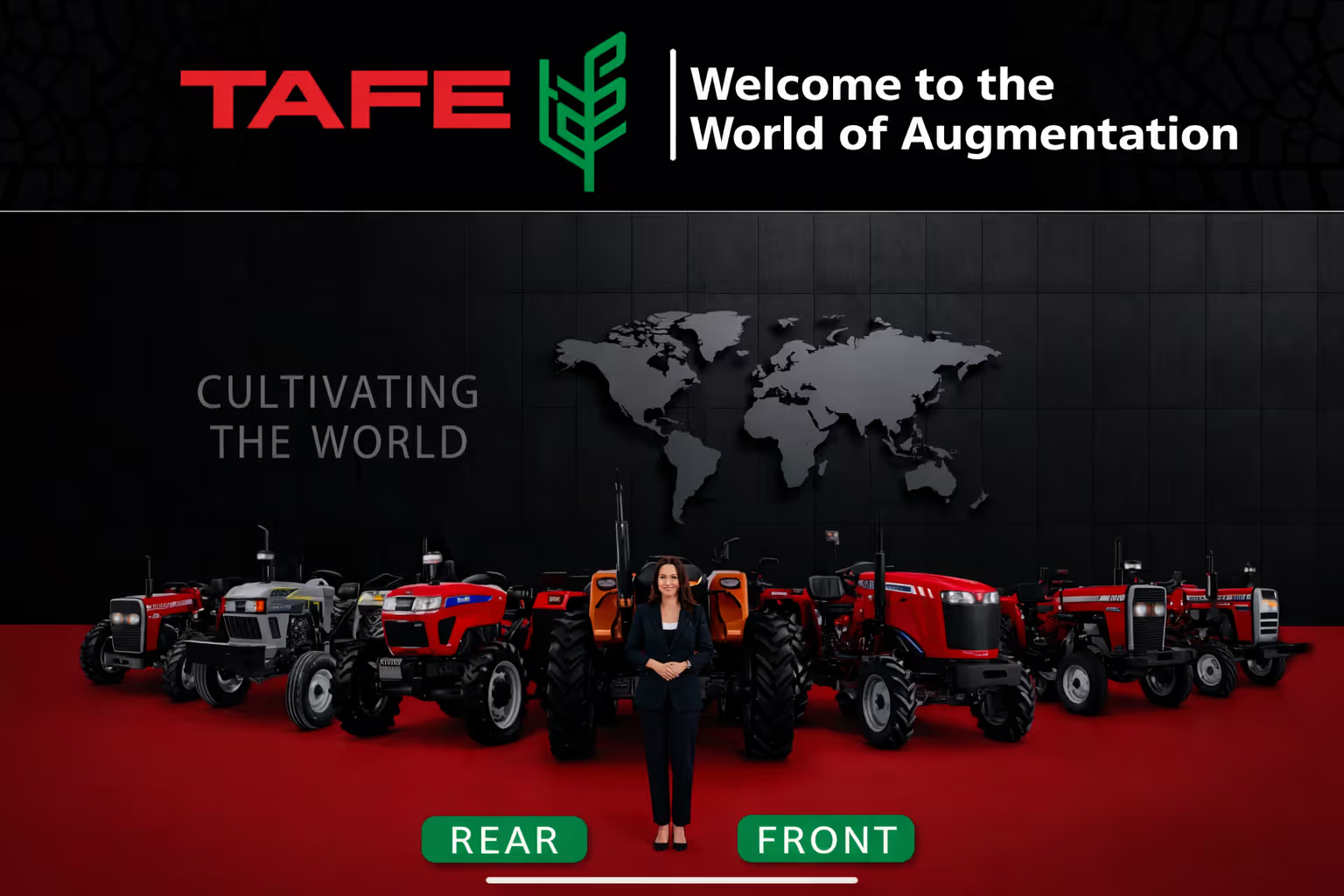
The center opens with a high-resolution anamorphic welcome video — an immersive cinematic first impression that signals from the moment a visitor enters: this is not an ordinary showroom. TAFE’s brand values, heritage, and vision unfold around the visitor.
The experience begins the moment you walk in — a spatial statement that transforms expectation before a word is spoken.
A high-resolution anamorphic welcome video fills the room — not just a display, but a spatial statement. TAFE’s brand values, heritage, and vision unfold around the visitor.
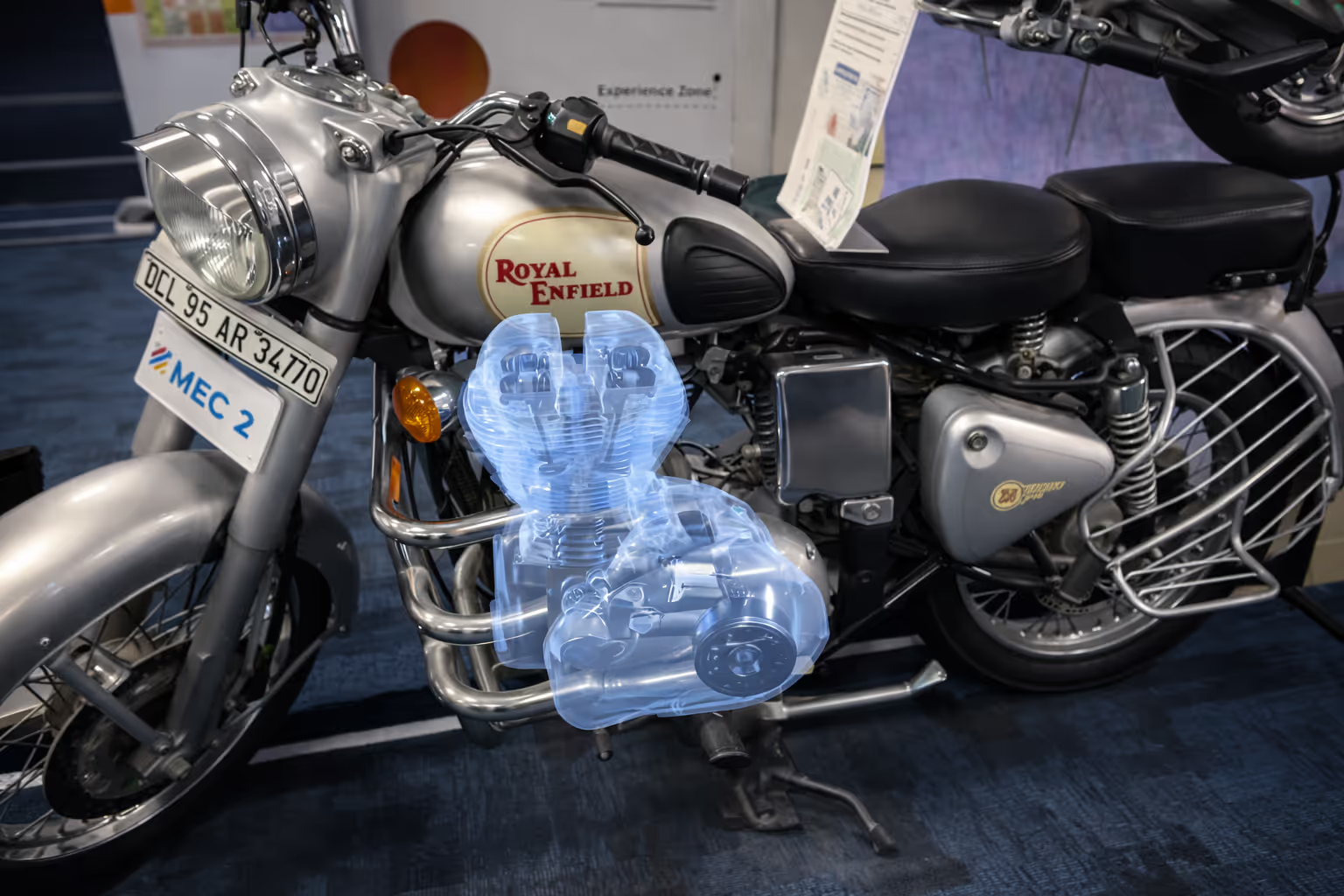
Each of TAFE’s 19 products sits in context — physically present, digitally amplified. The physical anchor builds trust. Visitors can touch, measure, and inspect at will.
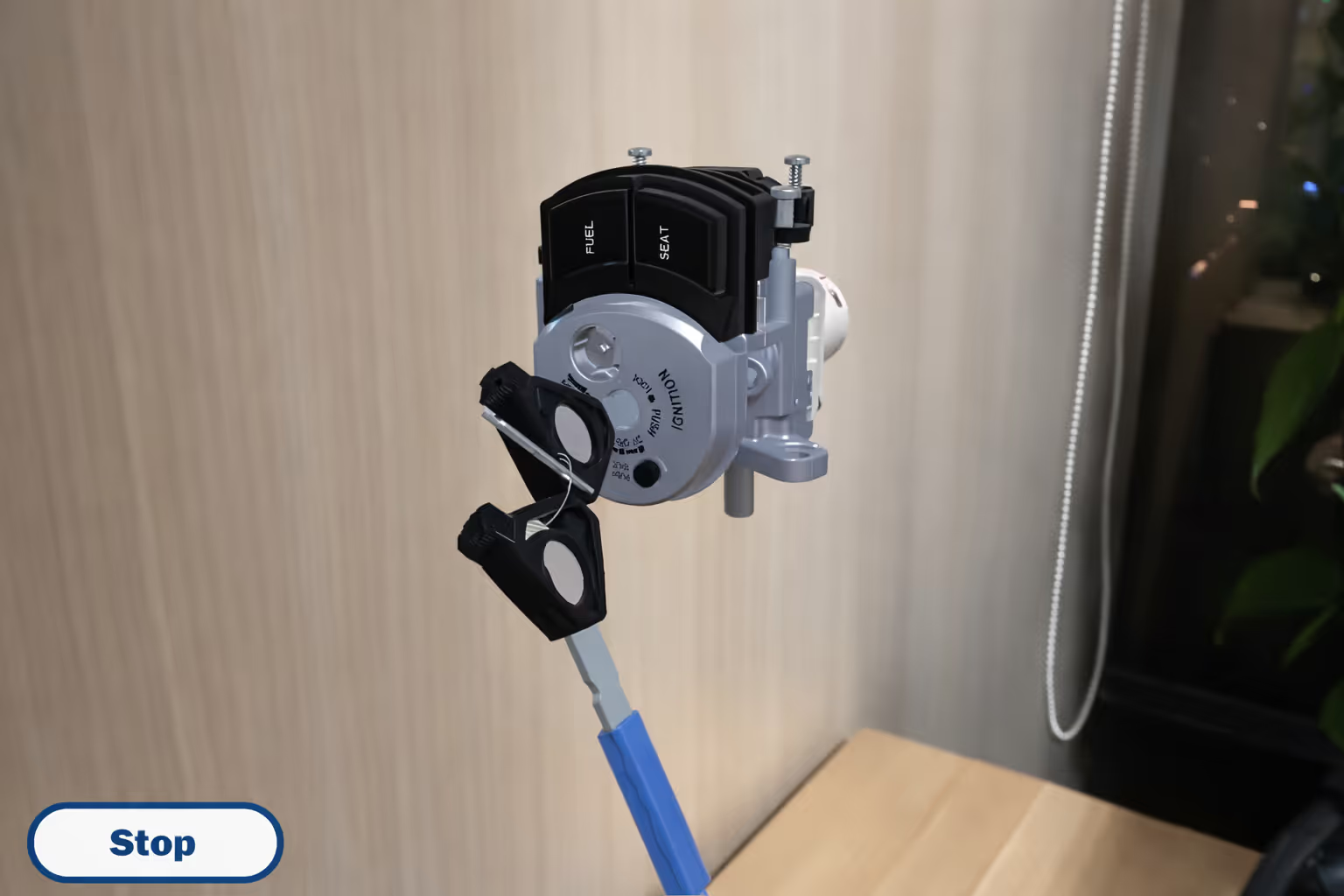
A visitor picks up a device, points it at any machine, and the product comes alive: animated breakdowns show how the engine delivers torque, how the hydraulics adapt to terrain, how a specific implement increases crop yield.
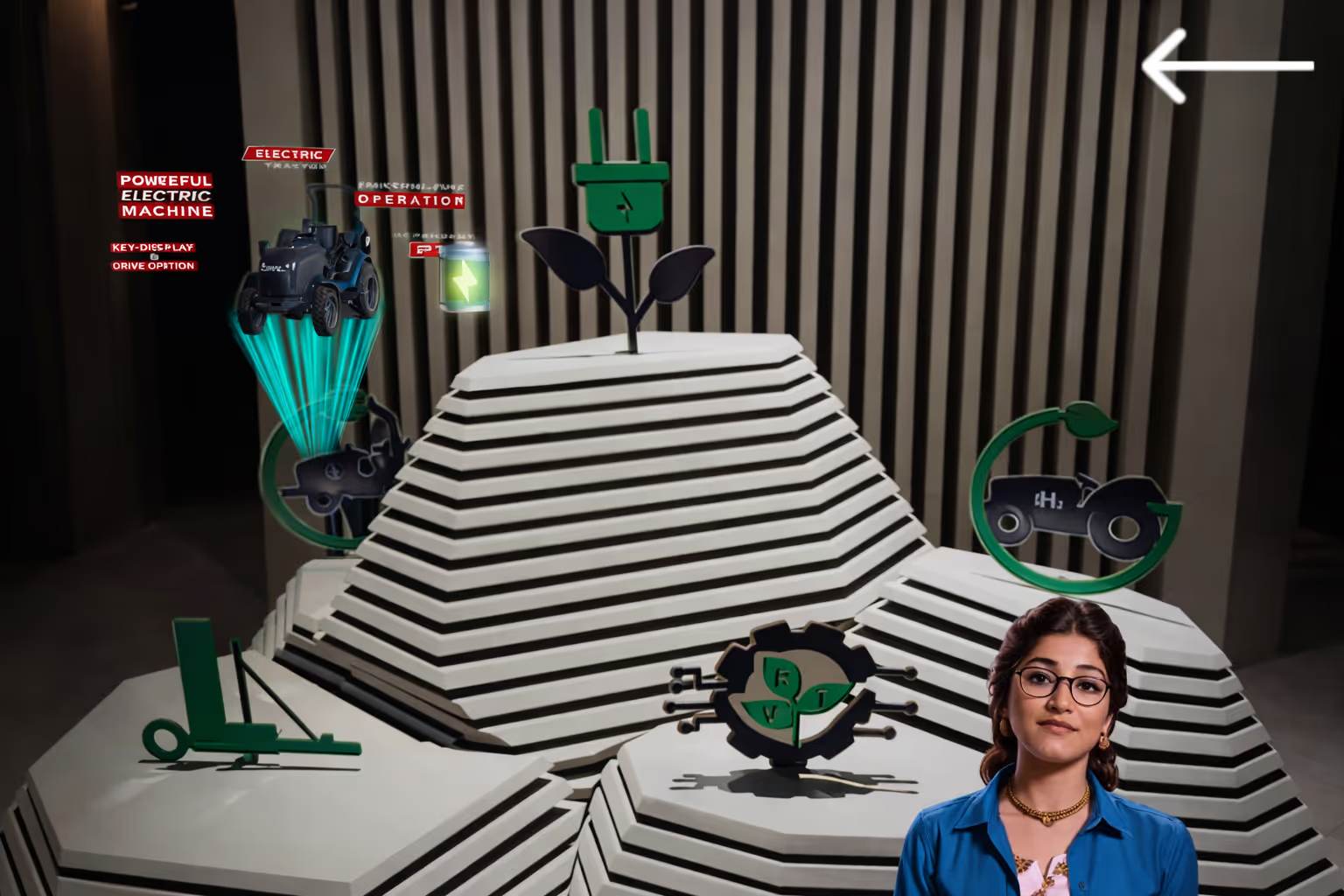
The digital layer builds conviction — it explains why, quantifies value, and delivers differentiators that no salesperson could reliably communicate at scale. The buyer leaves educated and persuaded by the product itself.
When every product has its own AR story, the showroom stops being a showroom. It becomes a conviction engine.
Every buyer who walks into the TAFE center now receives the same high-quality, consistent product education — regardless of which salesperson they interact with.
Technical complexity is now an asset, not a barrier. AR storytelling converts engineering intelligence into buyer conviction before a salesperson utters a word.
No competitor in India’s agricultural machinery sector had built an AR-powered experience center. TAFE became the first — and that distinction is visible in every buyer interaction.
The most powerful shift: buyers who have been through the AR experience centre complete the visit already persuaded by the product itself. They’ve experienced it. This is the power of phygital B2B.