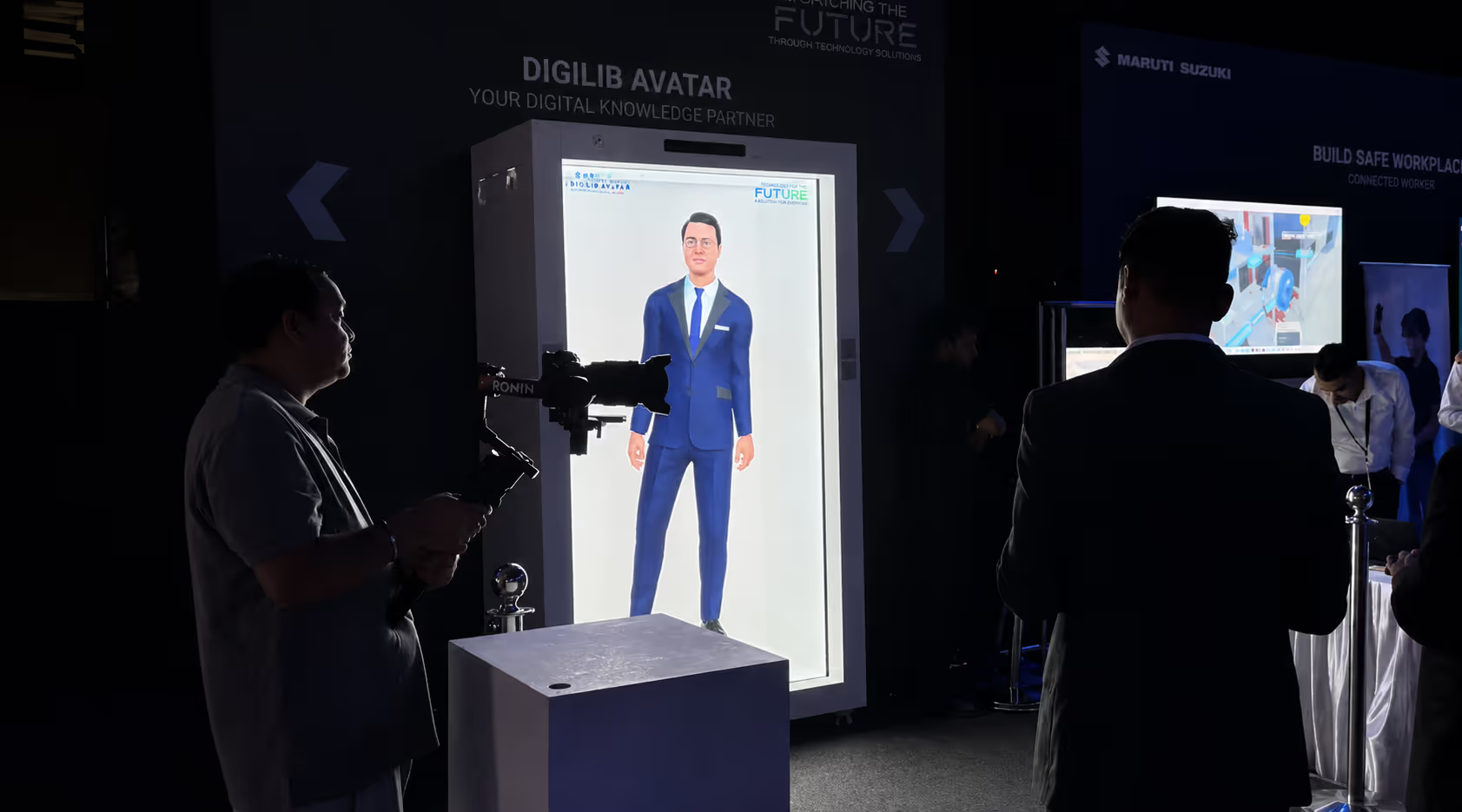
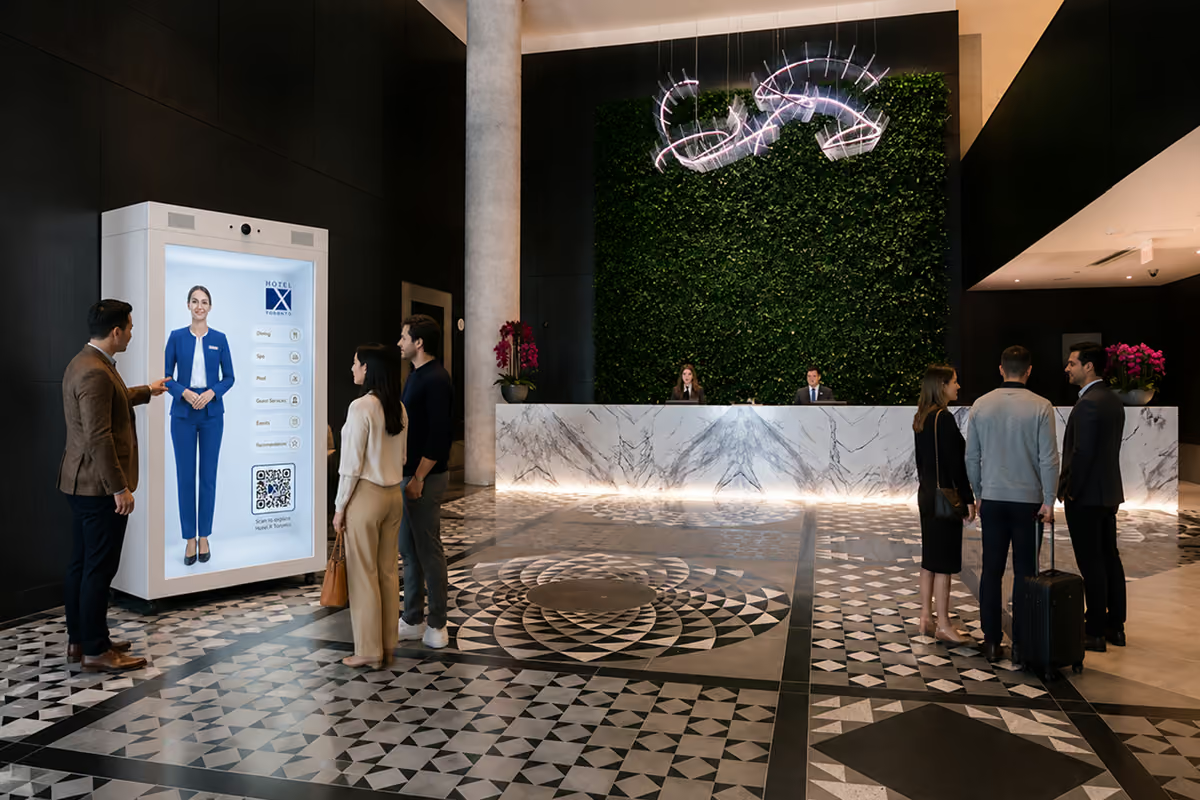
How Hotel X Toronto turned the moment of arrival into an experience — using a life-size holographic display for hotel lobby engagement to greet guests, answer questions, and ease the load on the front desk.
The hotel lobby is changing fast. For decades its job was simple: give guests a place to check in, maybe past some static artwork or a signage screen showing the weather. But the modern traveller expects far more — a seamless, engaging welcome from the moment the doors open. General managers and brand experience directors are under constant pressure to activate the lobby and create memorable, shareable arrival moments that set the tone for the whole stay. The industry needed a medium that could turn a passive space into an interactive welcome, building a personal connection that flat-screen kiosks and mobile apps simply could not deliver.
That leap arrived publicly with Hotel X Toronto. Known for its scale and its commitment to cutting-edge guest experiences, Hotel X recognised the need to elevate the arrival narrative and give thousands of guests instant, engaging information as they navigated a sprawling complex. It deployed a large-scale interactive 3D hologram in the main lobby, letting guests engage with a lifelike, life-size AI-driven digital concierge. This was not a gimmick built for a quick headline; it was a strategic engagement tool that changed the dynamics of lobby management — proving a holographic display for hotel lobby engagement was both viable at scale and remarkably able to captivate guests, answer common questions, and lift pressure off the physical front desk.
Since then the technology has moved from one-off flagship installs into the operational strategy of forward-thinking hotel groups. Instead of fragile stage illusions, modern hotels now deploy sleek, standalone volumetric displays directly in high-traffic areas. These enterprise-grade units offer higher visual fidelity, a fraction of the setup time and infrastructure, and a more intimate, two-way experience. The journey from resource-heavy experiments to scalable plug-and-play units captures how quickly lobby holograms have matured into a high-ROI tool for hospitality management.
A holographic display for hotel lobby engagement has undergone a major technical shift — from theatrical illusion to robust, scalable digital infrastructure. Early corporate holograms relied on a modernised, scaled-up version of the 19th-century "Pepper's Ghost" illusion. A high-definition projector beamed a pre-recorded feed onto a hidden reflective surface, which bounced the image onto a tensioned transparent Mylar foil set at a precise 45-degree angle. The visual impact was powerful, but the requirements were immense — exact lighting control, massive steel trusses to hold the foil, and days of setup and calibration — making it viable only for the largest, best-funded permanent installations.
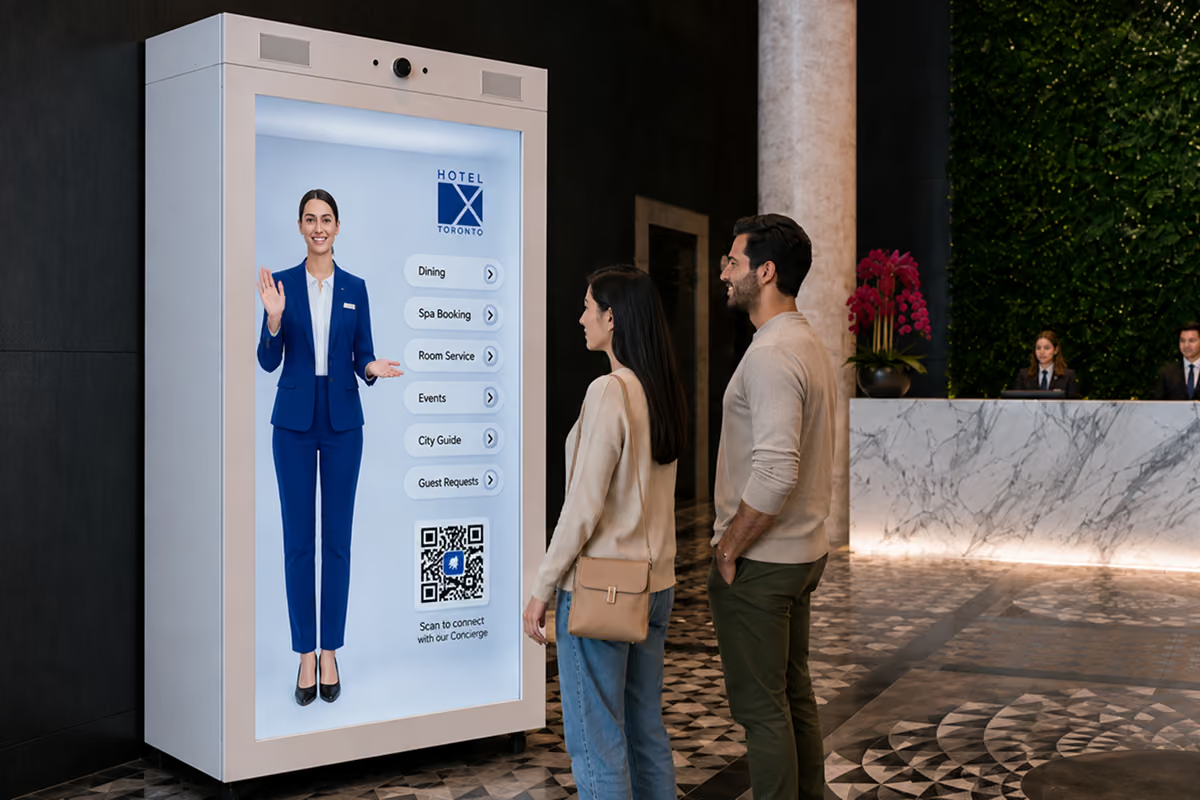
Today the industry has shifted to standalone, plug-and-play volumetric display units powered by conversational AI — exactly like those used by Hotel X Toronto. Instead of fragile foils, these enclosures use advanced light-field technology and ultra-high-density, high-brightness LED arrays behind a sleek, transparent glass-like front. The process is automated: an AI engine maps a digital human's voice, expressions, and body language to a database of hotel information, local attractions, and service standards, then drives the avatar live.
What turns a lobby hologram from a novelty into a business tool is scalability and interactivity. A single AI engine can serve multiple volumetric units at once, delivering consistent, branded information across a large resort or a whole chain. The units carry high-fidelity two-way audio with discreet audience-facing microphones and cameras, so the avatar can "see" and "hear" arriving guests, process questions using Natural Language Processing, and generate an accurate spoken response in real time. That two-way exchange turns the hologram from a one-way broadcast into an active physical presence — bridging the hotel's knowledge base and the guest in a way flat-screen kiosks cannot match.
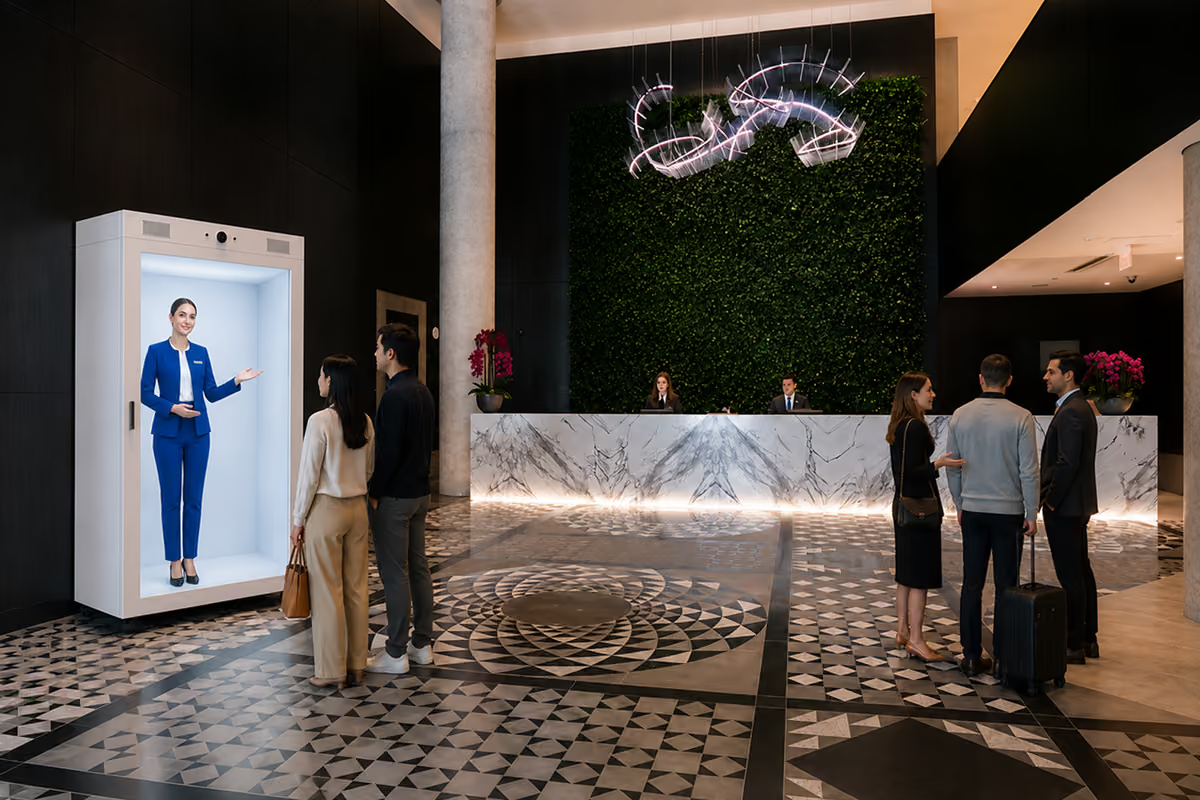
For front office managers and guest services directors, standalone lobby holograms bring a welcome reduction in repetitive inquiries and queue congestion. The days of front-desk staff spending a large share of their time answering basic questions about pool hours, restaurant locations, or local taxis are ending. A modern volumetric unit acts as a capable 24/7 first line of interaction. It can be wheeled into the busiest part of the lobby, plugged into standard power and a hardwired internet connection, and made operational within hours. That plug-and-play capability eases the burden on human staff, freeing the front desk to focus on complex issues, VIP arrivals, and high-touch personalised service — and lifting overall operational efficiency.
Brand experience and marketing teams gain a disruptive new tool for amplifying brand messaging and controlling the arrival narrative. A consistently premium "wow" moment the second a guest walks in is notoriously hard to engineer; holographic technology solves it elegantly. It deploys an amenity that is genuinely futuristic, highly engaging, and eminently shareable. That maximises valuable earned media, holds brand standards perfectly consistent — the AI avatar never has an off day — and generates steady PR interest simply through the novelty of the delivery.
For revenue management, the overriding benefit is a measurable level of guest engagement that drives ancillary revenue. In a busy lobby, guests increasingly tune out flat-screen signage and printed brochures. A life-size, glowing, interactive 3D hologram commands attention and stops foot traffic. It creates a memorable, shareable experience guests want to interact with — and the AI avatar can fold in personalised upsell offers, from the signature restaurant to spa packages or late checkout, turning a passive information kiosk into an active, high-converting revenue terminal.
A modern holographic display for hotel lobby engagement is no longer expensive showmanship — it delivers measurable financial and operational results that justify the investment for owners, general managers, and hospitality executives. In a crowded market it cuts through the noise, driving verifiable gains in guest satisfaction, operational efficiency, and property ROI. Brands using volumetric technology report data-backed boosts in their most critical metrics.
Key performance indicators for enterprise-grade lobby holographic deployments include:
Using interactive holographic avatars to handle routine inquiries helps large hotels cut physical queue times, particularly during peak check-in and check-out.
Post-stay analytics show properties with interactive lobby holograms score higher on arrival experience and perceived brand innovation than those with standard signage.
Replacing static promotional signage with AI-driven upselling via a holographic avatar lifts ancillary conversion on dining and spa services.
Hotels featuring lobby holograms generate far more earned media in travel publications and exponentially more organic social impressions than traditional lobby renovations.
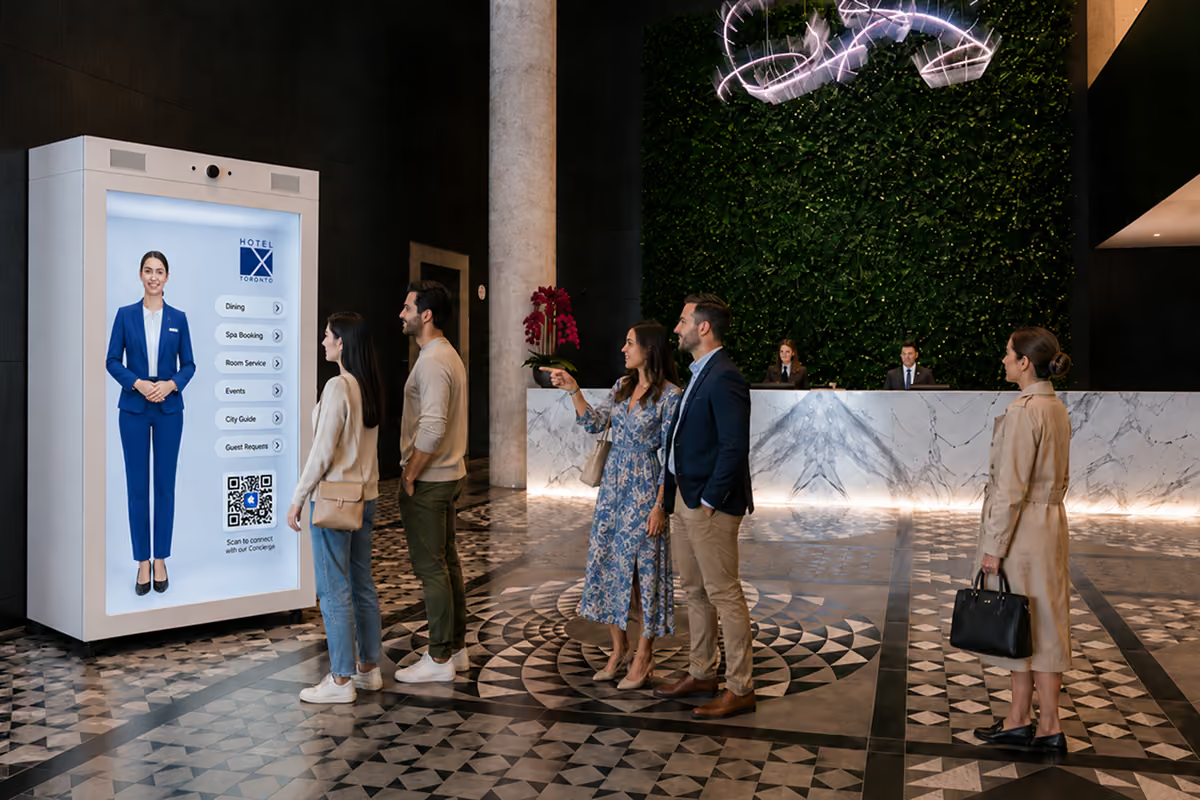
The evolution from complex stage illusions to sleek, interactive units proves the holographic display for hotel lobby engagement has matured into a scalable, enterprise-ready communication platform. It is no longer a fragile novelty reserved for the largest budgets — it is robust, accessible infrastructure for the future of hospitality management, guest experience, and operational efficiency.
As guest expectations for immersive, tech-forward travel rise, the owners and general managers who invest early in interactive volumetric displays will hold a durable competitive edge. By turning a passive lobby into an active, engaging welcome, forward-thinking teams can drive guest satisfaction, extend their operational reach, and create memorable interactions — the kind that build brand loyalty and translate directly into higher property ROI, greater efficiency, and long-term commercial success.