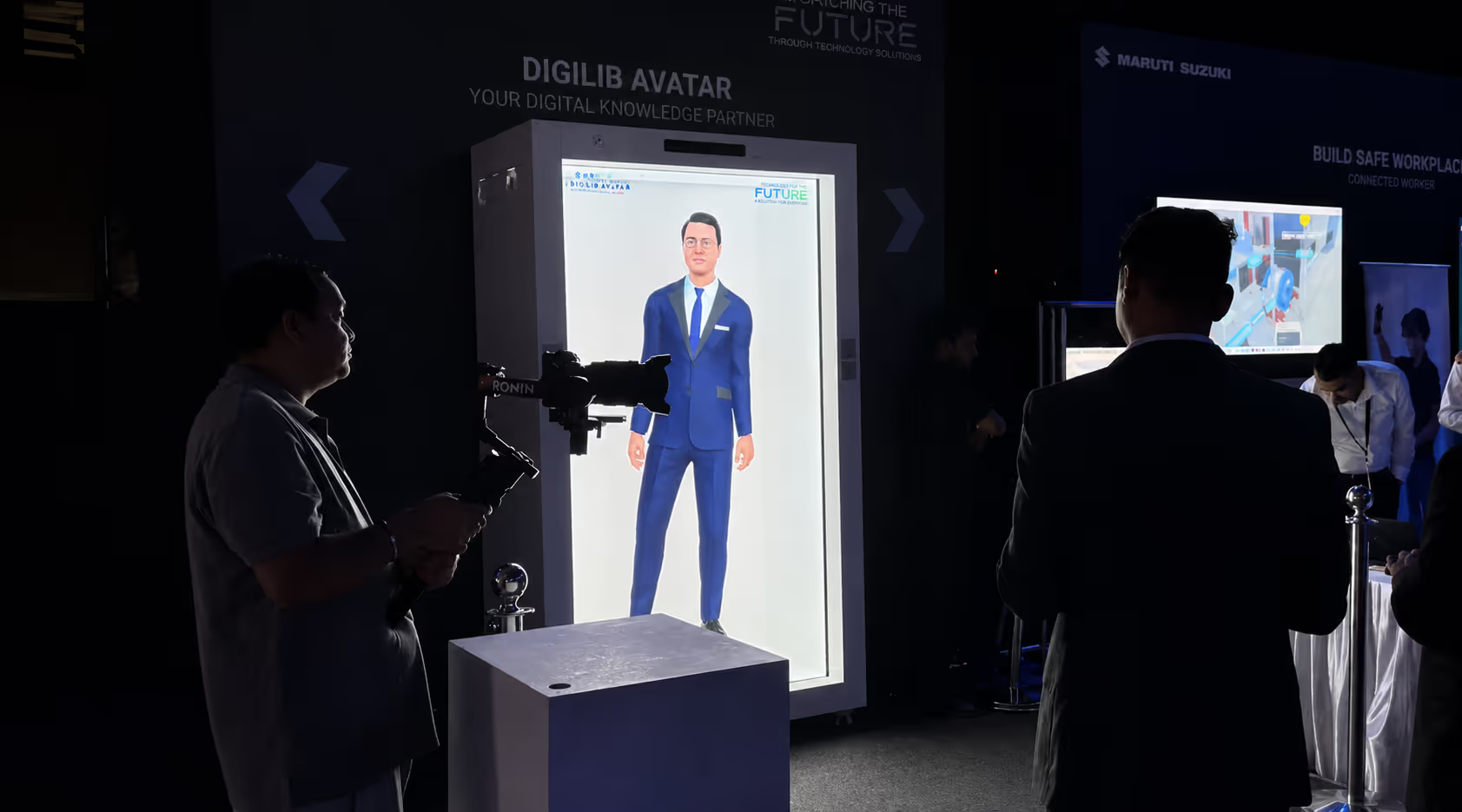
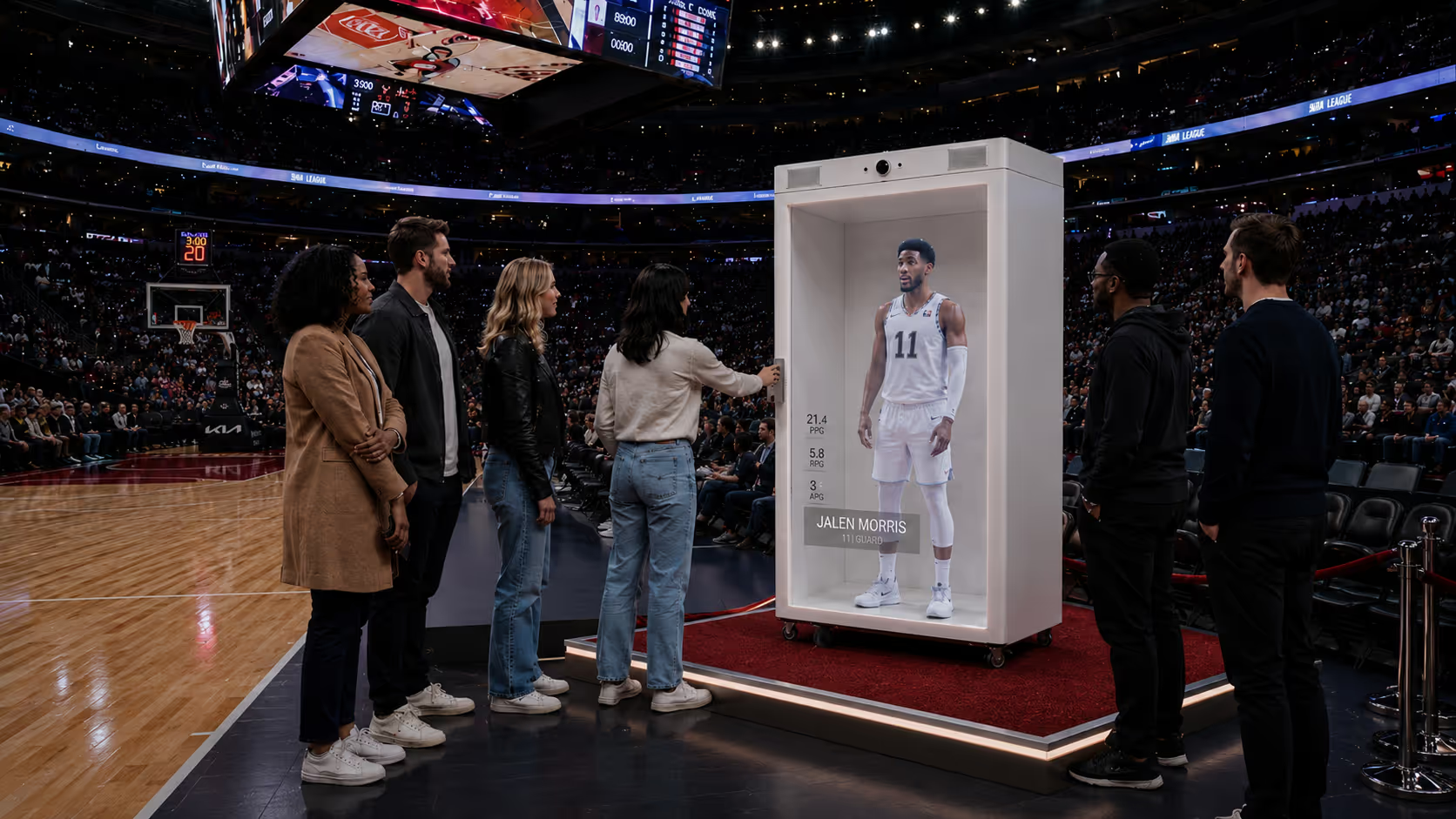
ESPN GameDay put life-size, interactive holograms of star athletes on the studio desk — analysts hundreds of miles from the players, talking to them in real time. Here's how holographic athlete broadcasting works, and what it returns.
Live sports broadcasting is in the middle of a fundamental shift. For decades the value of a broadcast was the game itself — the thrill of watching elite athletes compete, supplemented by flat-screen interviews. Today's fan expects more: an immersive, interactive experience that brings them closer to the action and the athletes than a satellite feed ever could. Broadcasters and media executives are under constant pressure to innovate, capture attention in a saturated landscape, and create the shareable moments that justify premium advertising rates. The industry needed a medium that could bridge the physical distance between studio and stadium and build a personal connection that video calls simply cannot.
That leap happened publicly with ESPN GameDay. Known for chasing cutting-edge broadcast technology, ESPN deployed large-scale, interactive 3D holograms in live broadcasts, letting studio analysts interact with lifelike, life-size holograms of star athletes located hundreds of miles away. This was not a one-off gimmick for a social-media headline — it was a strategic broadcasting tool that changed the dynamics of the live sports interview, and it proved that holographic athlete broadcasting was both technically viable at scale and genuinely able to captivate and retain a mass television audience.
Since then the technology has moved from one-off mega-events into mainstream operational strategy. Instead of fragile stage illusions, modern studios deploy sleek, standalone volumetric displays: higher visual fidelity, a fraction of the setup time, and a far more intimate, real-time, interactive experience. The journey from resource-heavy experiments to scalable, plug-and-play units illustrates how quickly the format has matured into a high-ROI tool for high-impact sports media — and it is exactly the role a life-size HoloBox is built to play.
The implementation of holographic athlete broadcasting has shifted from theatrical illusion to robust digital infrastructure. Early sports holograms relied on a scaled-up version of the 19th-century "Pepper's Ghost" illusion — a high-definition projector bouncing an image off a reflective surface onto tensioned transparent foil stretched across a stage at a precise 45-degree angle. The visual impact was powerful, but the requirements were immense: exact lighting control, heavy steel truss to hold the foil, and several days of meticulous setup and calibration. That made it viable only for the largest, best-funded mega-events.
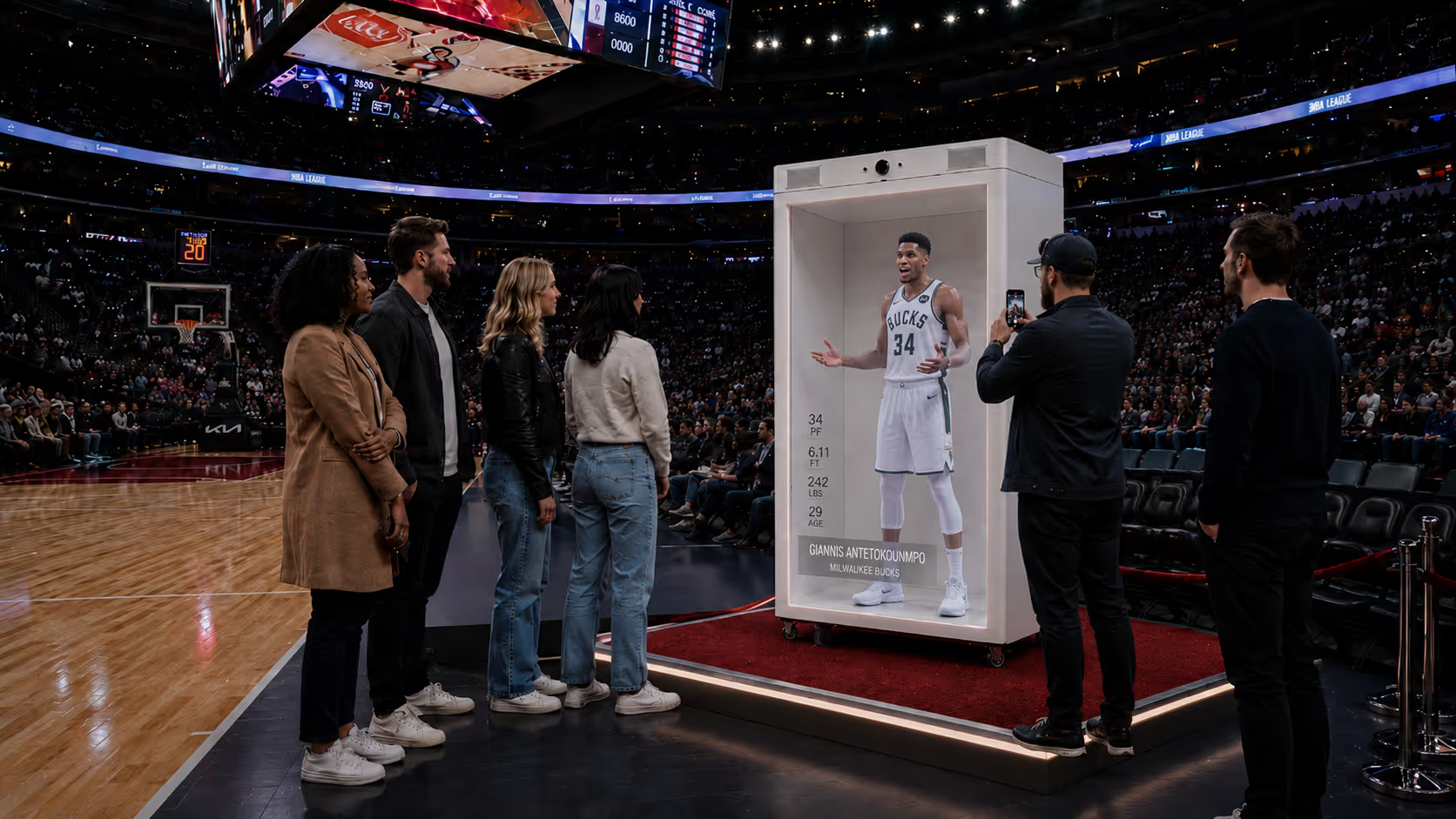
Today the paradigm has shifted to standalone, plug-and-play volumetric units — the kind ESPN uses. Rather than fragile foils, these enterprise-grade systems use light-field technology and high-brightness LED arrays housed inside a sleek, transparent enclosure. The process begins with the athlete recorded in a compact volumetric capture studio near their stadium or training facility, equipped with a broadcast-quality 4K camera array, a clean backdrop and professional lighting. That high-definition feed is then transmitted over an ultra-low-latency network to the main broadcast studio.
What elevates this from visual novelty to critical business tool is scalability and two-way interactivity. A single athlete can be beamed simultaneously to multiple units in different studios or partner locations across the country. The units carry high-fidelity two-way audio and discreet audience-facing microphones and cameras, so the holographic athlete can hear the analysts in real time, process their questions and respond instantly. That seamless two-way exchange turns the hologram from a passive broadcast into an active physical presence — bridging the remote athlete and the studio in a way flat-screen video and standard satellite feeds cannot.
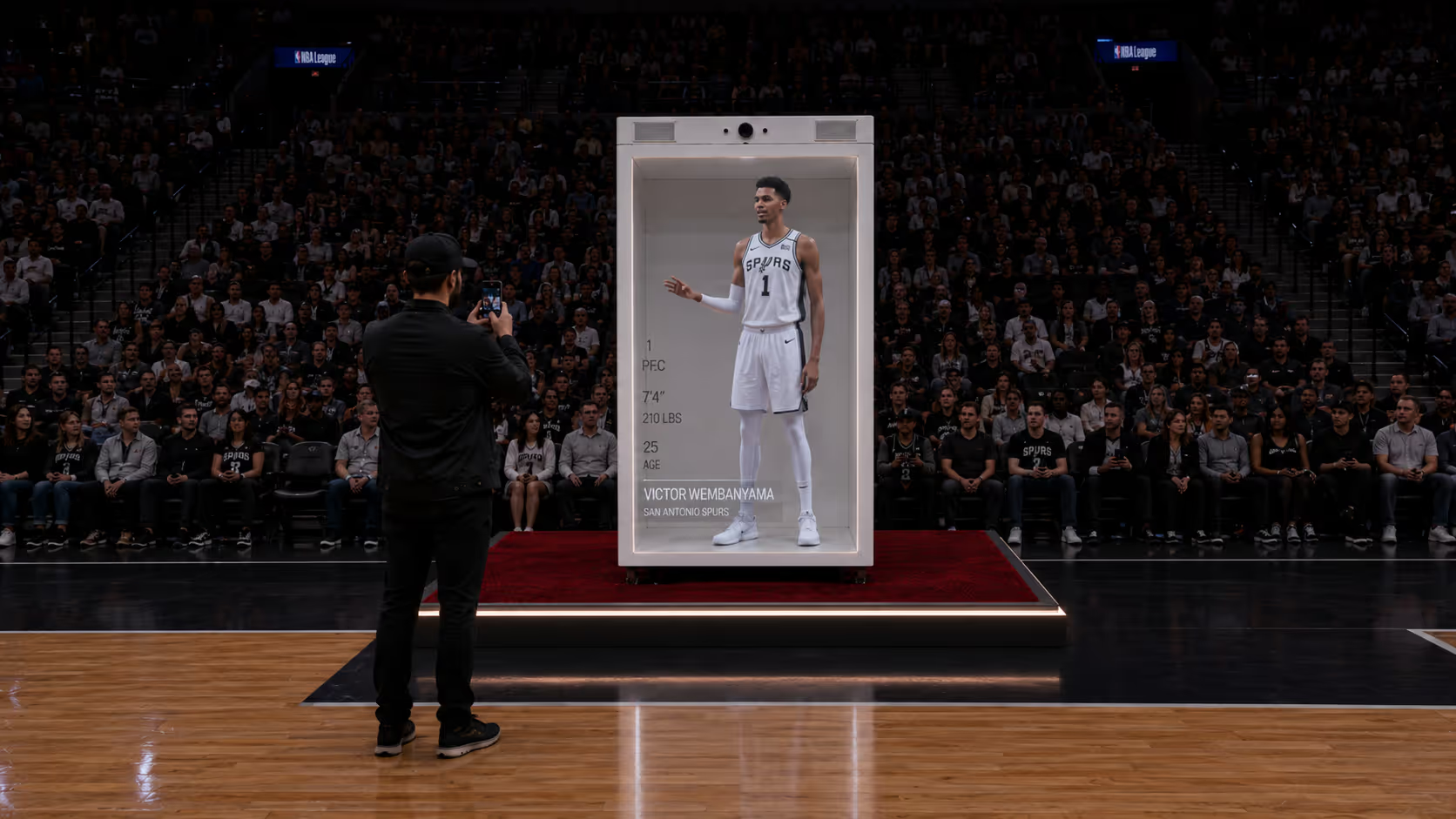
The athlete is recorded in a compact volumetric studio near their stadium — a 4K camera array, clean backdrop and professional lighting produce a broadcast-quality figure.
The feed travels over an ultra-low-latency network and is rendered life-size inside a standalone volumetric display on the studio desk — or several units at once, across locations.
Two-way audio and audience-facing mics let the holographic athlete hear the analysts in real time, process questions and respond instantly — a live conversation, not a loop.
The life-size, interactive presence commands attention, stops channel-surfing, and generates a shareable "wow" moment that fans circulate organically — extending reach well beyond the broadcast.
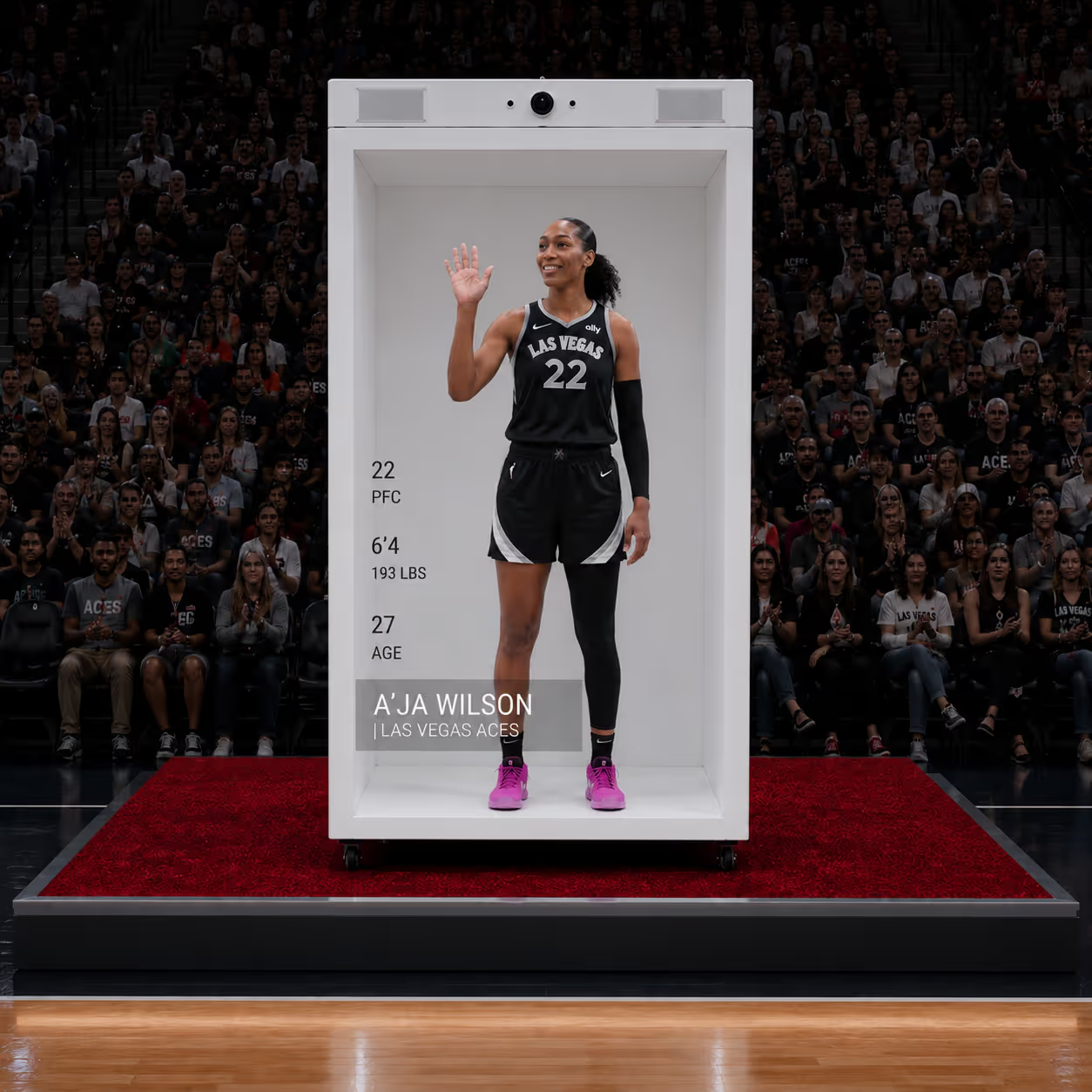
For production teams, the shift to standalone holographic units is a major reduction in logistical complexity. The week-long studio closures needed to build and calibrate a fragile Pepper's Ghost stage are over. Modern volumetric units are built for mobility — wheeled onto set, plugged into standard power and a dedicated hardwired connection, and operational within hours. This true plug-and-play capability cuts setup costs, reduces specialised labour, and lowers the execution risk of complex technical builds. Crucially, it lets teams deploy high-end holographic experiences in smaller, non-traditional spaces that could never have accommodated the older infrastructure.
Marketing and sponsorship teams gain a powerful tool for amplifying partnerships and controlling the broadcast narrative. Securing athlete time for in-studio interviews or sponsor activations is notoriously hard, limiting the ability to deliver high-value sponsorship moments live. Holographic technology solves this: star athletes maintain an authoritative "in-person" presence in the main studio without leaving their home city. That maximises valuable talent time, keeps sponsor messaging perfectly consistent, and reliably generates earned media simply because the delivery method is so distinctive.
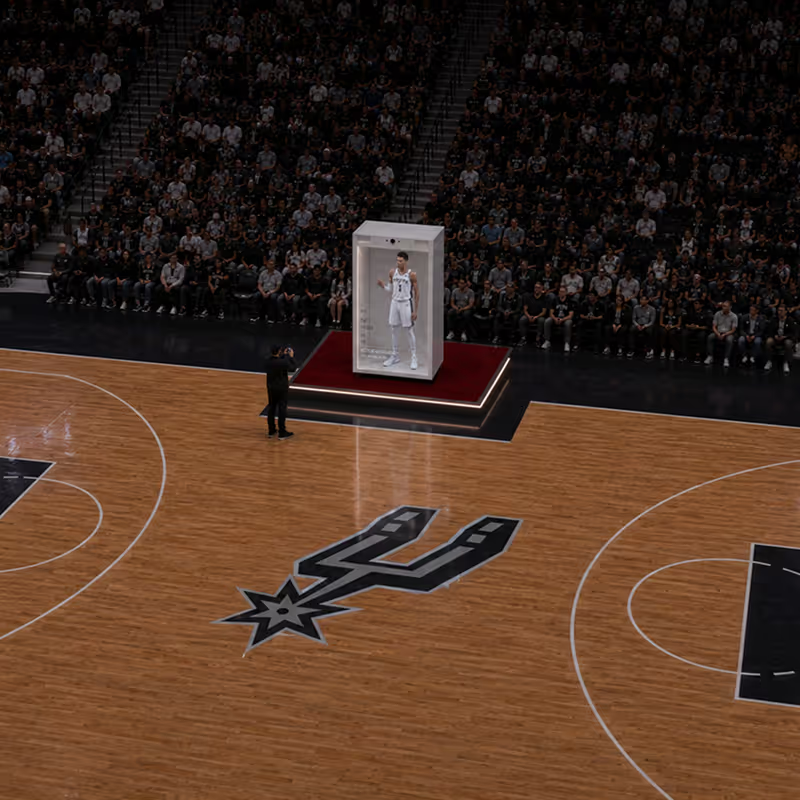
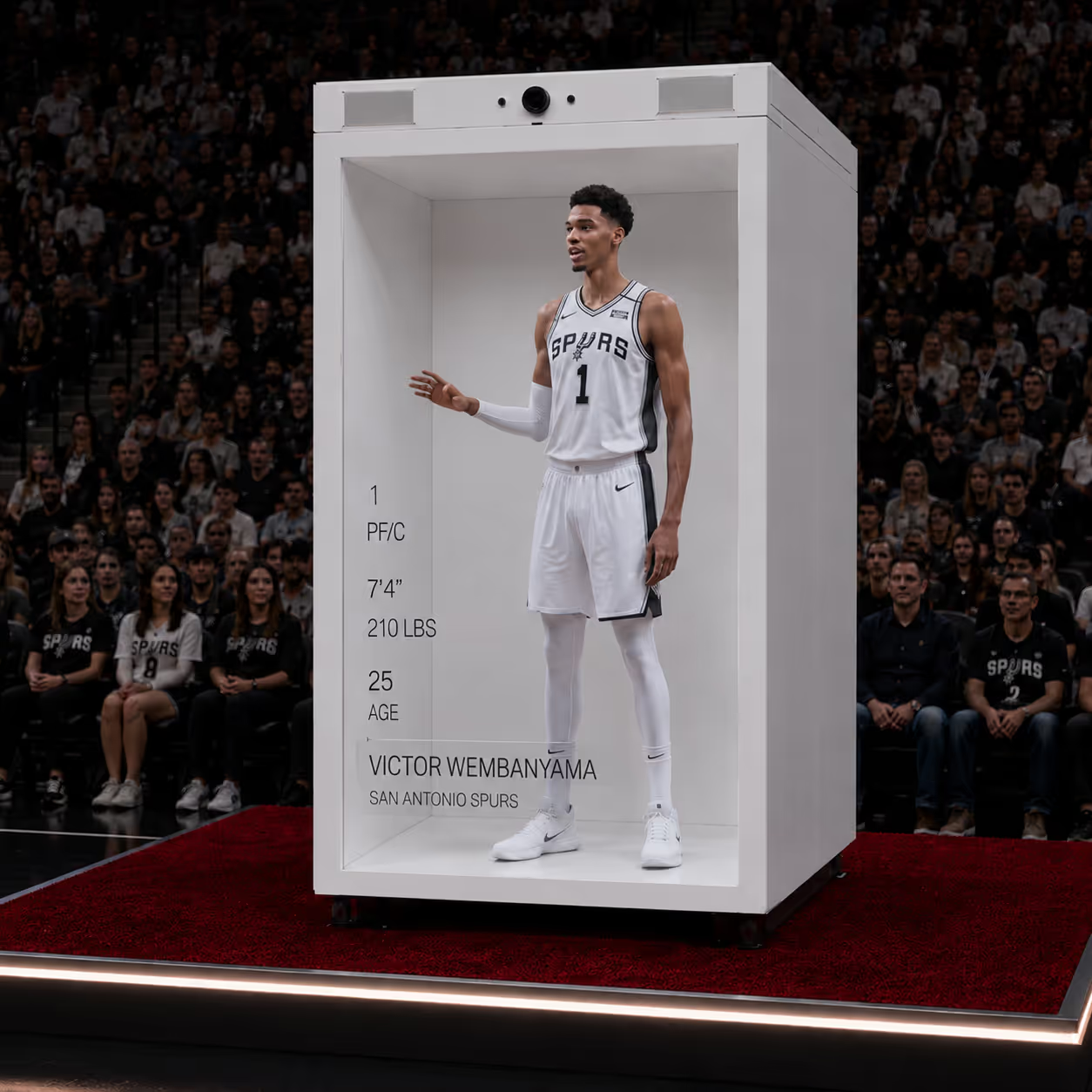
For the audience and ratings team, the overriding benefit is measurable viewer retention that drives advertising revenue. Viewers increasingly tune out flat-screen "talking head" segments; a life-size, interactive 3D hologram of a star player instantly commands attention and stops channel-surfing. It creates a memorable, highly shareable moment that fans discuss on social media, organically amplifying reach. The interactivity of modern units lets broadcasters create unique television moments competitors cannot replicate — driving higher ratings and stronger viewer loyalty.
Modern holographic athlete broadcasting is no longer expensive showmanship — it delivers measurable financial and operational results that justify the investment for networks, executives and sponsors. In a crowded live-entertainment landscape, holographic presence cuts through the noise, driving verifiable increases in viewer engagement, earned media and broadcast ROI.
Interactive holographic interviews can lift average viewer retention during interview segments by 30–50%, correlating directly to higher advertising value and premium ad rates.
Brand activations featuring interactive holographic athletes score 40–50% higher in viewer engagement and long-term brand recall versus standard 2D video integrations.
Replacing multi-city physical travel with remote beaming can reduce associated logistics, security and travel costs by up to 70% per major event series — and makes top-tier talent easier to secure.
Broadcasts featuring holograms frequently generate three to five times more earned media coverage and far more organic social impressions than standard-format interviews.
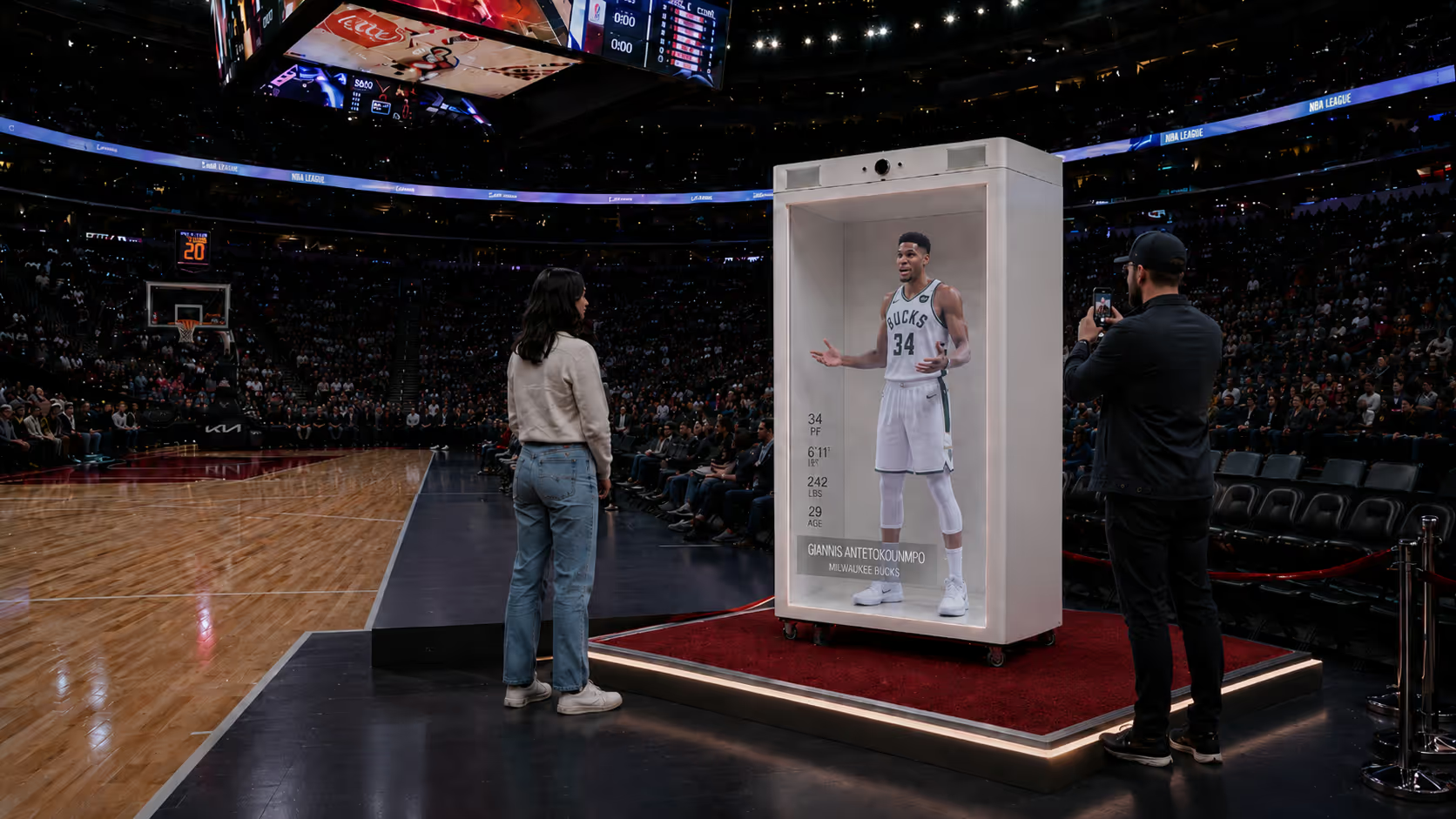
The evolution from complex stage illusions to sleek, interactive units proves holographic athlete broadcasting has matured into a scalable, enterprise-ready platform. It is no longer a fragile novelty for the largest budgets — it is robust, accessible infrastructure for the future of live sports media, audience monetisation and sponsor activation.
As viewer expectations for immersive, tech-forward broadcasting rise, networks that invest early in interactive volumetric displays secure a durable competitive advantage. By turning passive viewers into engaged audiences, media teams drive ratings, extend commercial reach and create memorable television moments — interactions that translate directly into higher broadcast ROI, stronger sponsor satisfaction and long-term commercial success.