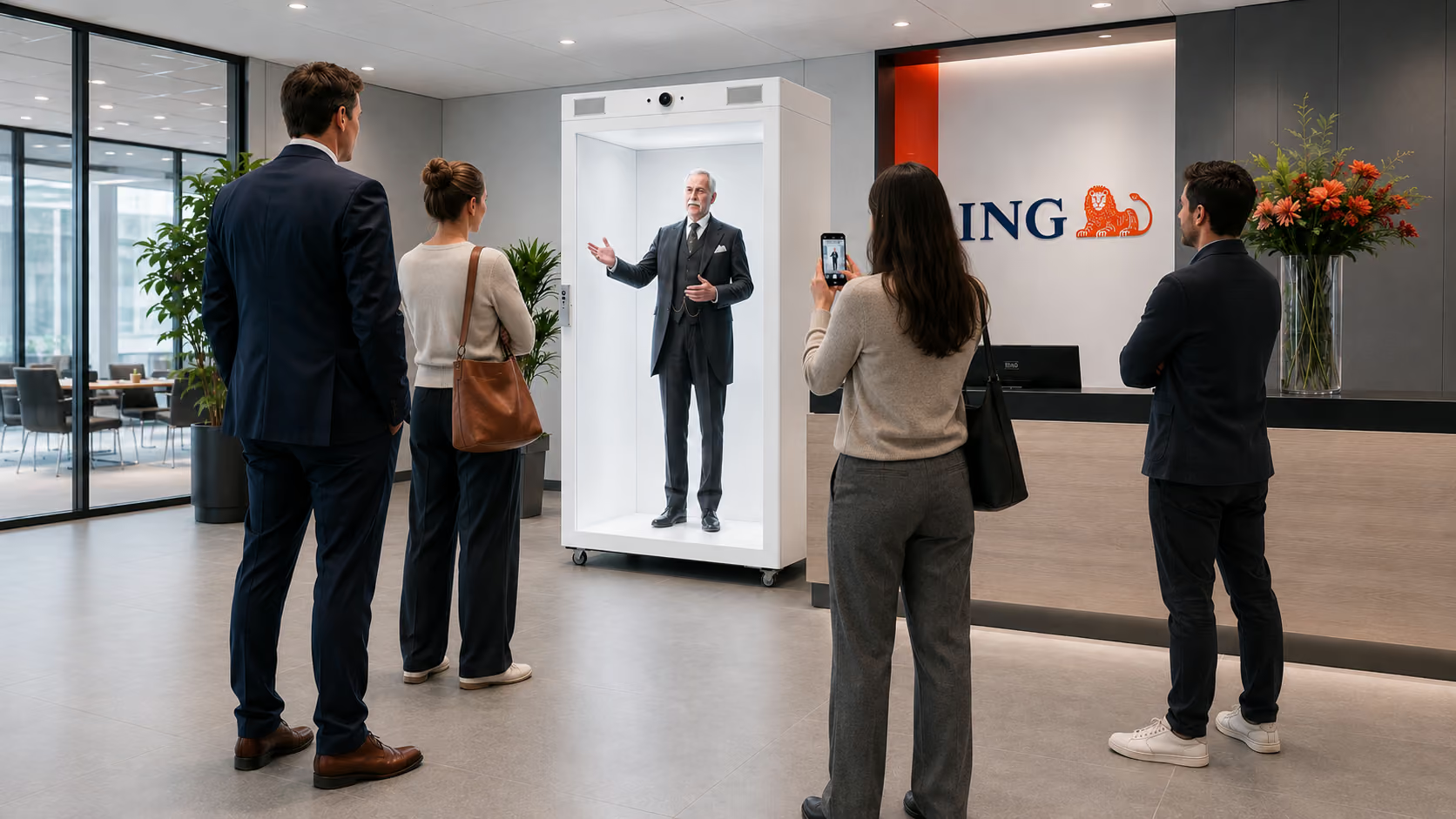
How ING Belgium turned a century of brand legacy into a live, interactive experience — using life-size holographic displays to connect corporate history to modern stakeholder events.
Corporate heritage communication is shifting fast. For decades, telling a company's story meant static artefacts in glass cases, glossy timeline brochures, and documentary videos for anniversaries. But modern stakeholders — employees, investors, premium clients — now expect an immersive experience that brings history to life and bridges legacy to future vision. Communications directors and brand heritage managers face constant pressure to make company history relevant and create shareable moments that justify the spend on museums and anniversary events. The industry needed a medium that could turn dusty archives into interactive narratives — a personal connection static displays could never achieve.
That leap arrived publicly with ING Belgium. Drawing on its rich financial history and forward-thinking brand strategy, ING pioneered large-scale, interactive 3D holograms to showcase its heritage, letting visitors engage with lifelike, life-size representations of historical figures, key artefacts, and pivotal moments in the bank's history. This was no social-media gimmick; it was a strategic communication tool that changed how corporate history is consumed — proving holographic storytelling was both technically viable at scale and remarkably able to captivate, educate, and inspire.
Since then the technology has moved from one-off museum installations into the operational strategy of conglomerates worldwide. Instead of fragile stage illusions, modern corporate centres now deploy sleek, standalone volumetric displays in lobbies, heritage centres, and anniversary galas. These enterprise-grade units offer higher visual fidelity, a fraction of the setup time and infrastructure, and a more intimate, interactive experience — marking the maturation of holographic storytelling into a high-ROI tool for corporate communications..
Holographic heritage storytelling has evolved from theatrical illusion to scalable digital infrastructure. Early museum holograms relied on a modernised, scaled-up "Pepper's Ghost" illusion: a high-definition projector beamed a pre-recorded feed onto a hidden reflective surface, which bounced the image onto a tensioned transparent Mylar foil set at a precise 45-degree angle. The visual impact was powerful, but the requirements were immense — exact lighting control, massive steel trusses to hold the foil, and days of setup and calibration — making it viable only for the largest, best-funded permanent installations.
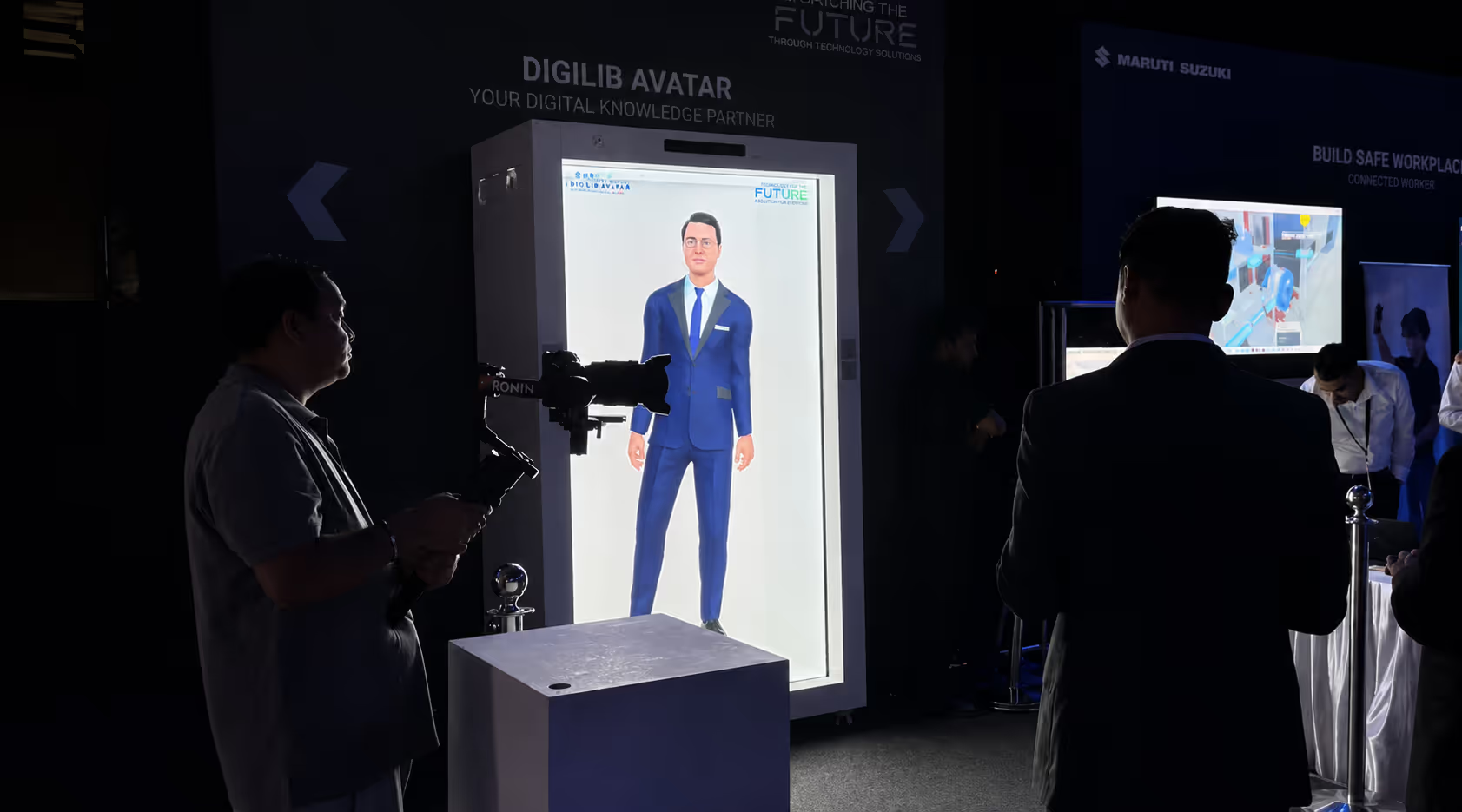
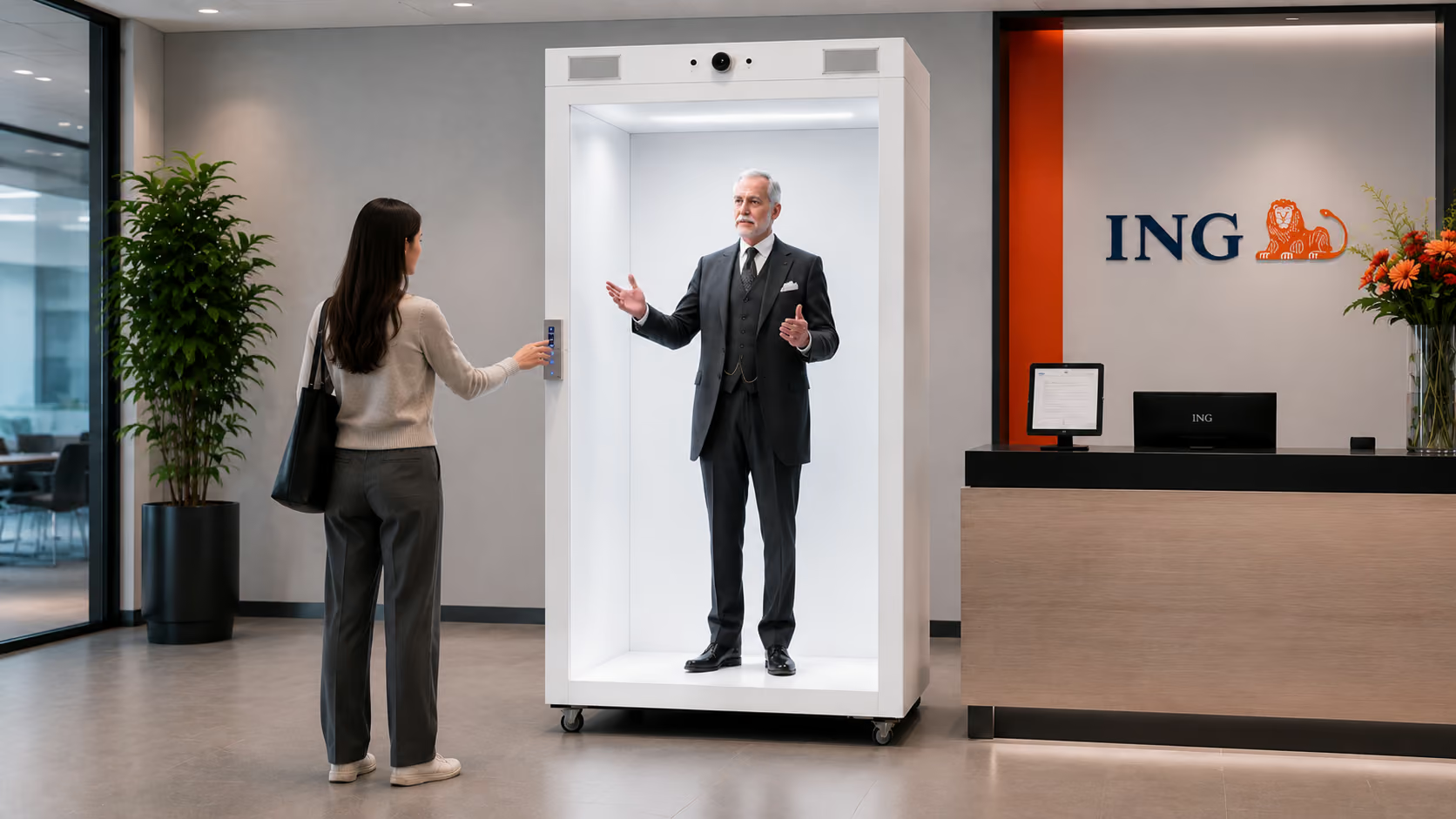
Today the industry has shifted to standalone, plug-and-play volumetric display units — exactly like those used by ING Belgium. Instead of fragile foils, these enclosures use advanced light-field technology and ultra-high-density, high-brightness LED arrays behind a sleek, transparent glass-like front. The process starts with the subject — an actor portraying a founder, or a high-resolution 3D scan of a rare artefact — captured in a specialised volumetric studio with a 4K camera array, clean backdrop, and professional lighting, then processed and loaded onto the display unit.
What turns this from novelty into business tool is scalability and interactivity. A single narrative can deploy simultaneously to dozens of units across regional offices or venues. The units carry high-fidelity audio and discreet audience-facing sensors, so viewers can use touchless gestures or touchscreens to select chapters of company history, rotate 3D artefacts, or ask pre-programmed questions of historical avatars. That interactivity makes the hologram an active, engaging educational presence rather than a one-way broadcast — bridging past and present in a way flat-screen video or static placards cannot.
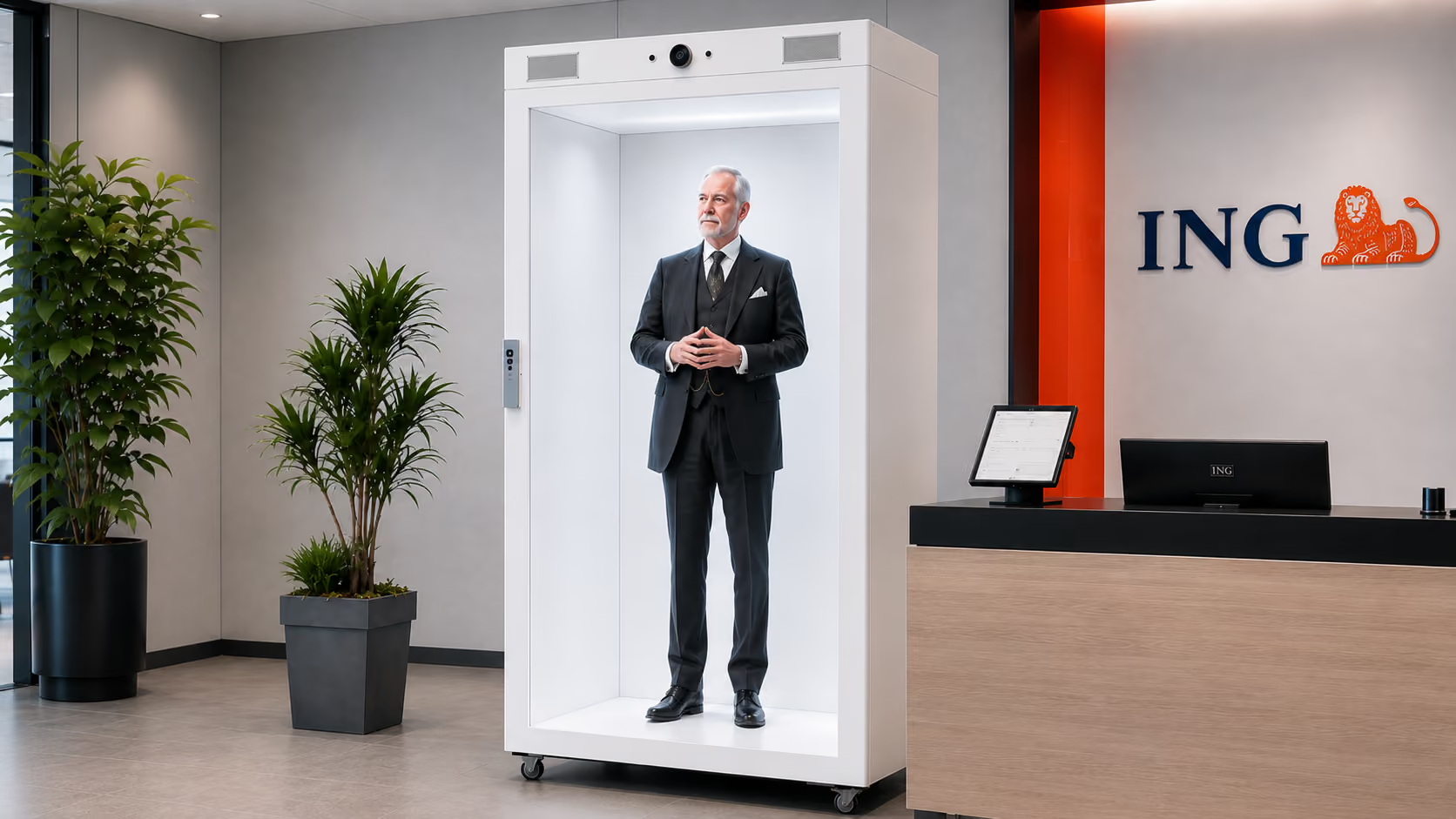
For communications and PR teams, standalone holographic storytelling sharply reduces logistical complexity. The days of closing a lobby for a week to build and calibrate a fragile Pepper's Ghost stage are over. Modern units are mobile — wheeled into a lobby or event hall, plugged into standard power and a hardwired internet connection, and tested within hours. This plug-and-play capability cuts setup costs, minimises specialised labour, and lowers execution risk — and lets teams stage high-end experiences in smaller, non-traditional venues that older technology could never support.
Heritage and archival teams gain a powerful tool for amplifying historical narratives while protecting the brand legacy. Touring physical artefacts or exposing fragile documents is difficult and risky, limiting local delivery of high-value heritage moments. Holography solves this: rare artefacts and historical figures maintain an authoritative "in-person" presence at multiple locations at once, without ever leaving the secure archive. That maximises valuable assets, keeps brand storytelling consistent everywhere, and earns media coverage thanks to the futuristic delivery method.
For HR, the key benefit is measurable internal engagement that drives culture. Employees increasingly tune out flat-screen onboarding videos and standard history presentations. A life-size, glowing, interactive 3D hologram commands attention and stops foot traffic in the lobby, creating a shareable "wow" moment that amplifies the company's legacy beyond the office. Interactive units can also fold in quizzes or deep-dive historical modules, turning the display into an active cultural immersion terminal.
Quantified Business ImpactModern holographic heritage storytelling isn't showmanship or a vanity project — it delivers measurable financial and operational results that justify the investment for communications directors, brand managers, and HR executives. It consistently cuts through the noise, driving verifiable gains in stakeholder engagement, earned media, and event ROI. Conglomerates using volumetric technology report data-backed boosts in their most critical metrics.
Key Performance Indicators for enterprise-grade heritage holographic deployments include:
Interactive holographic displays in corporate museums and lobbies lift average visitor dwell time in heritage zones — directly correlating to increased brand understanding and cultural immersion.
Anniversaries featuring interactive holographic storytelling score higher in both active engagement and perceived brand innovation than standard events with static displays.
Replacing physical transportation of fragile artefacts with high-fidelity 3D holographic beaming cuts logistical, insurance, and security costs per major exhibition.
Events featuring holograms generate far more earned media coverage in business publications, and exponentially more organic social impressions, than traditional galas.
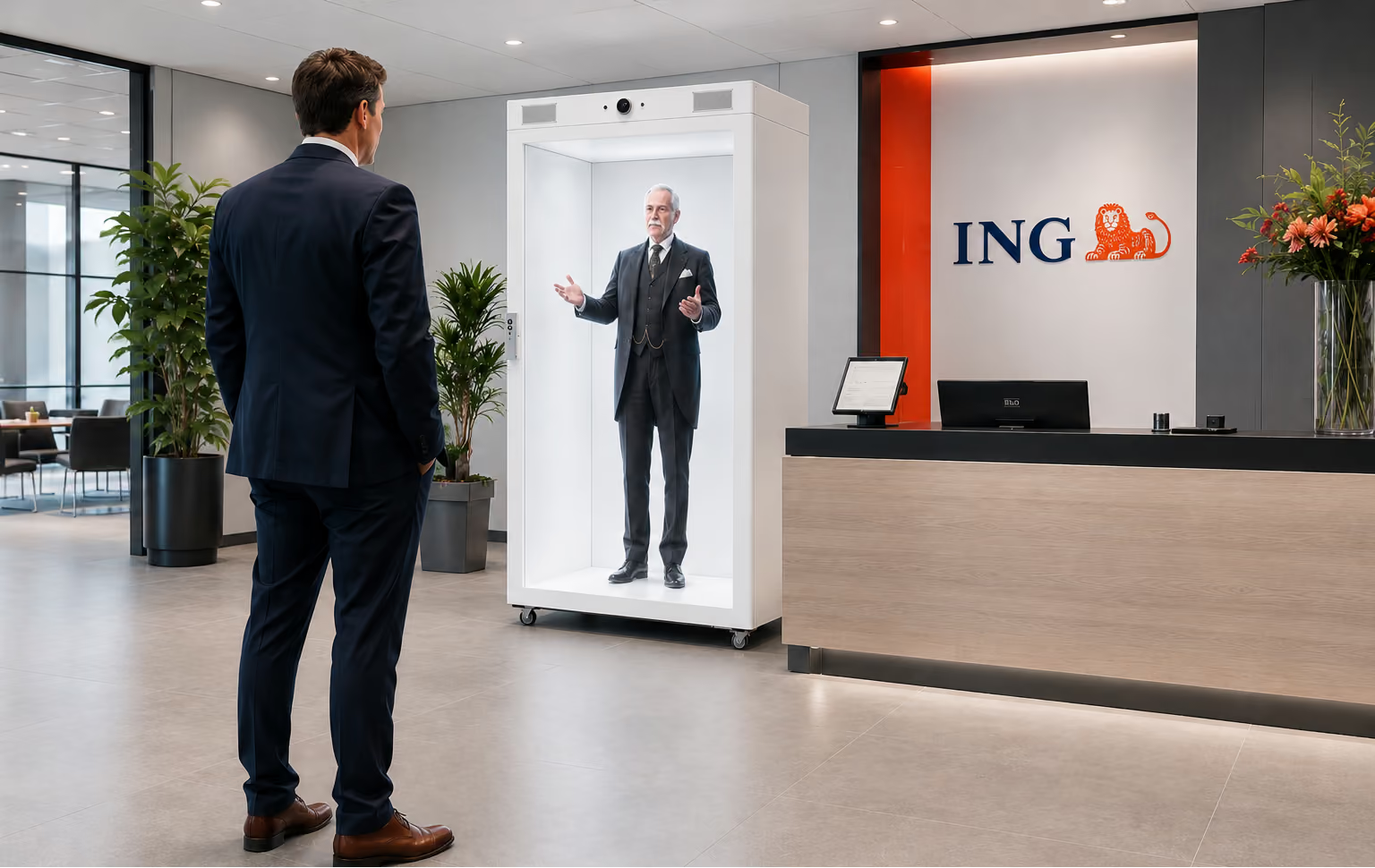
The evolution from stage illusion to sleek, interactive units proves holographic heritage storytelling has matured into a scalable, enterprise-ready communication platform. It's no longer a fragile novelty for the largest budgets — it's robust, accessible infrastructure for brand legacy, stakeholder engagement, and corporate culture.
As expectations for immersive, tech-forward corporate experiences rise, the conglomerates and communications directors who invest early in volumetric displays will hold a durable competitive edge. By turning passive observers into active participants in the company's history, they drive brand pride, extend cultural reach, and create memorable interactions — building internal loyalty that translates into higher event ROI, greater stakeholder satisfaction, and long-term brand equity.