A permanent, always-on hologram display for retail stores helped Skechers stop shoppers, tell its product story in 3D, and hand them a frictionless QR purchase flow. Here's how it works — and what it returns.
E-commerce has reset what shoppers expect, and physical stores now have to offer something online can't. Static mannequins, printed windows and flat digital screens no longer stop a digitally native audience — people walk past them the way they scroll past banner ads. The job of modern retail isn't displaying a product on a shelf; it's creating an immersive brand moment that can't be replicated on a phone.
Skechers, a global leader in lifestyle and performance footwear, saw the shift early. With a fast-evolving shoe range, it wanted a flagship centrepiece that did more than hold inventory — a dynamic, interactive brand ambassador that could show the hidden technology in its footwear (memory-foam cushioning, arch support, breathable lightweight materials) in a way shoppers instantly grasp. The aim: blend physical and digital, get people exploring the range in a new way, and drive measurable sales.
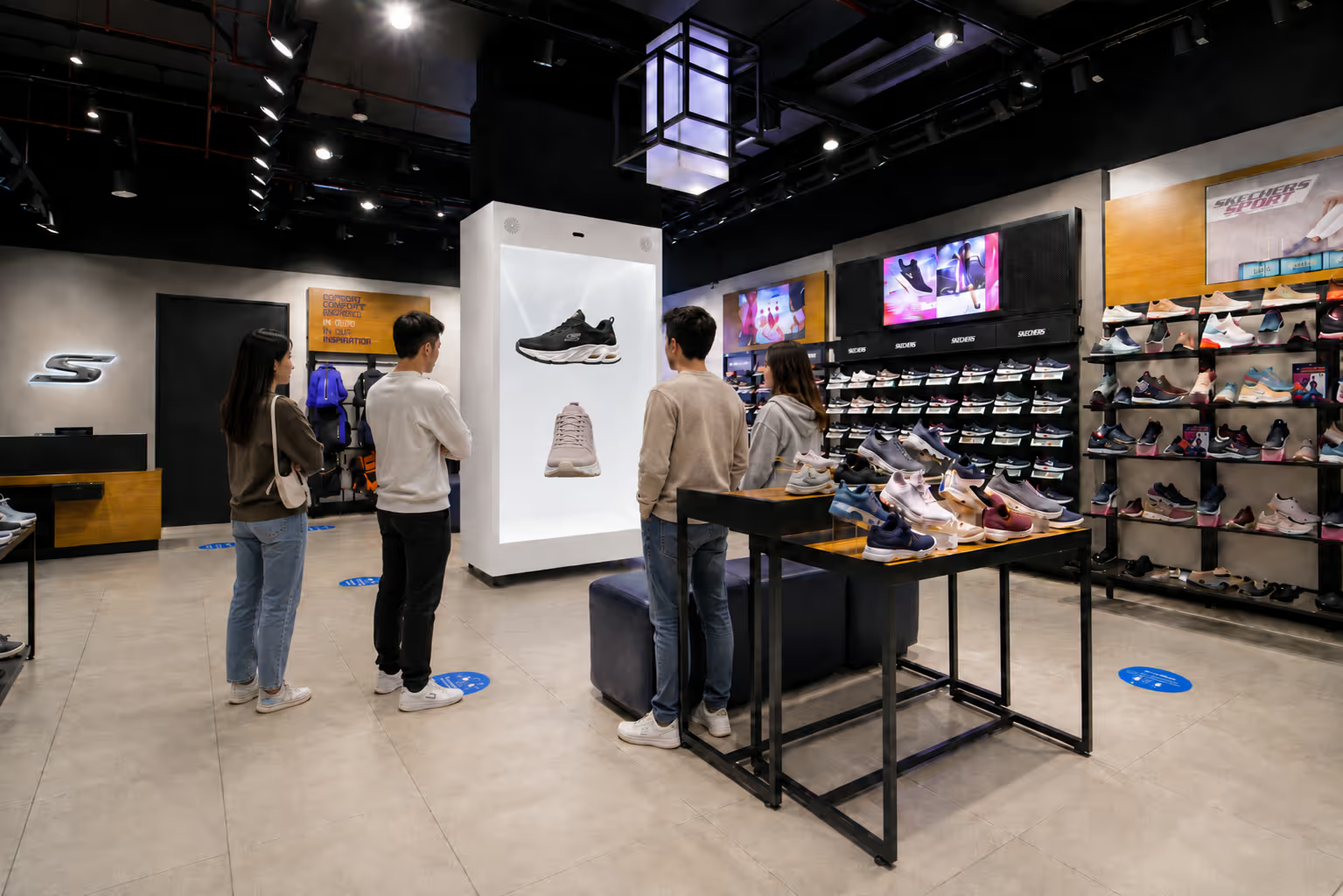
So Skechers deployed a permanent, life-size hologram display for retail stores at its Manhattan Beach flagship in Los Angeles — a clear break from the norm. Not a pop-up, a weekend activation or a launch gimmick, but an always-on installation built as core store infrastructure. The goal was direct: drive foot traffic, engage customers with interactive 3D content, and feed a frictionless purchase flow. In doing so, it set a new benchmark for experiential retail and proved holograms can be a reliable engine for commerce, not just a novelty.
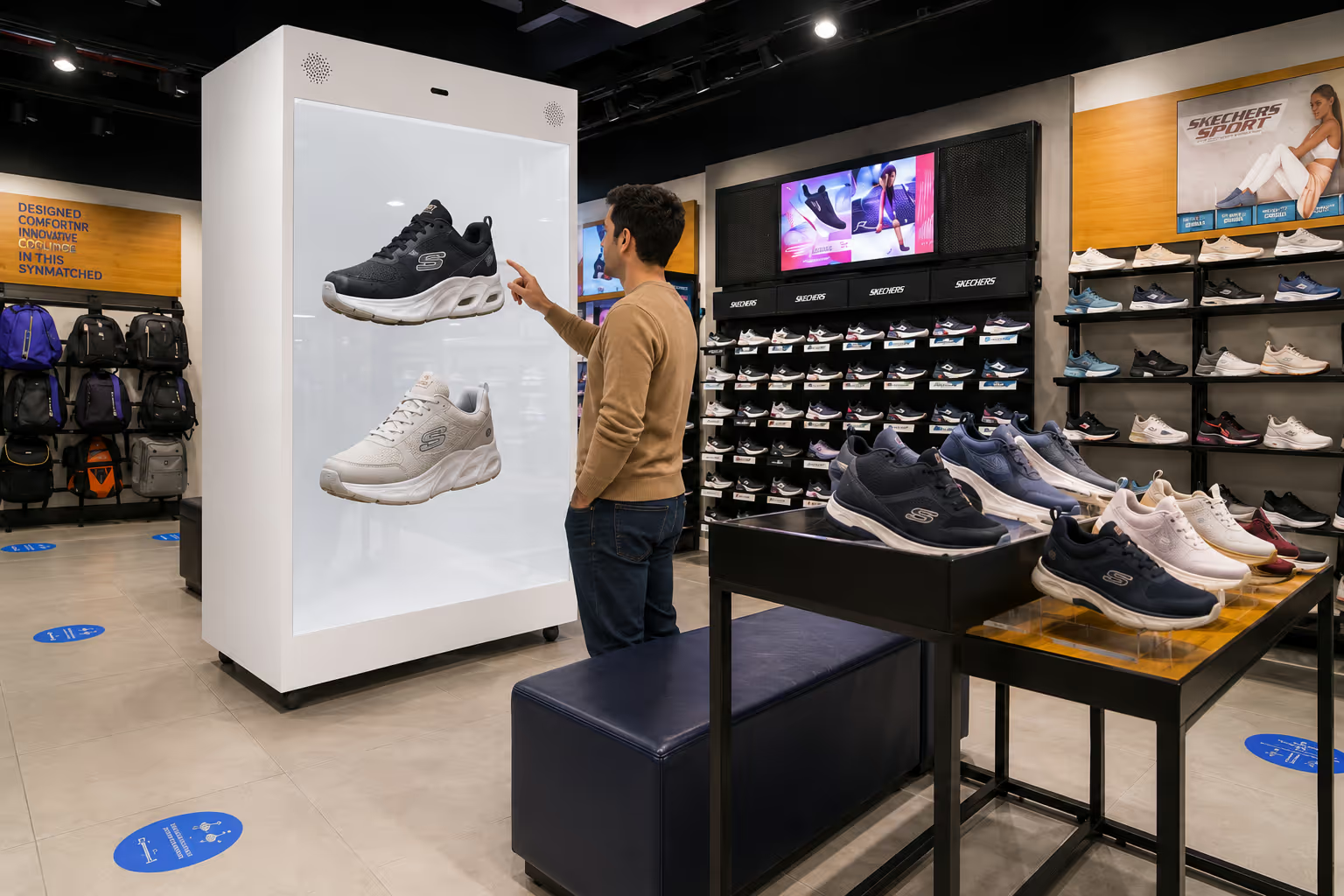
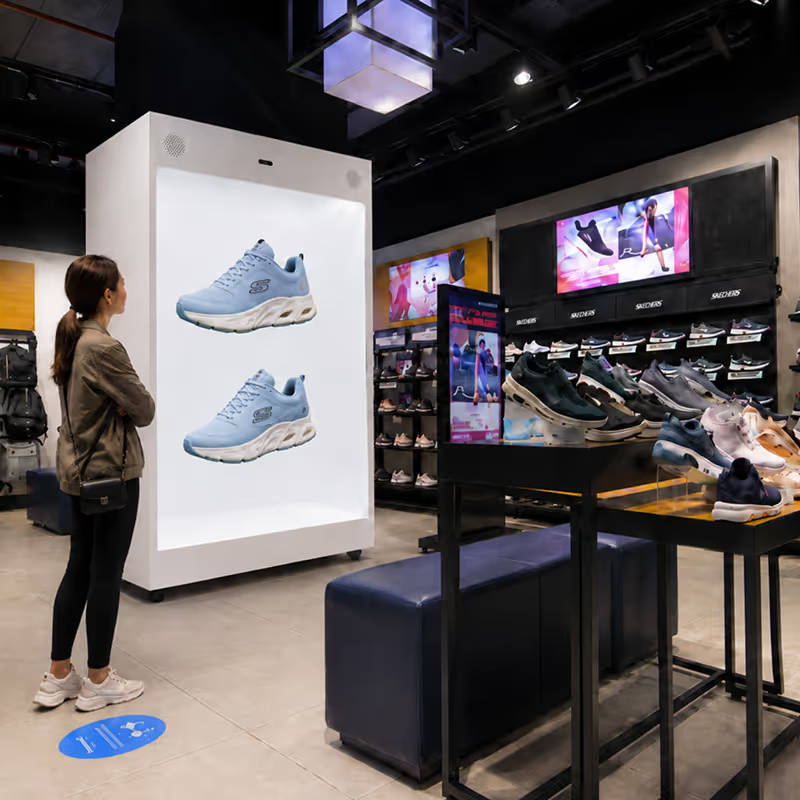
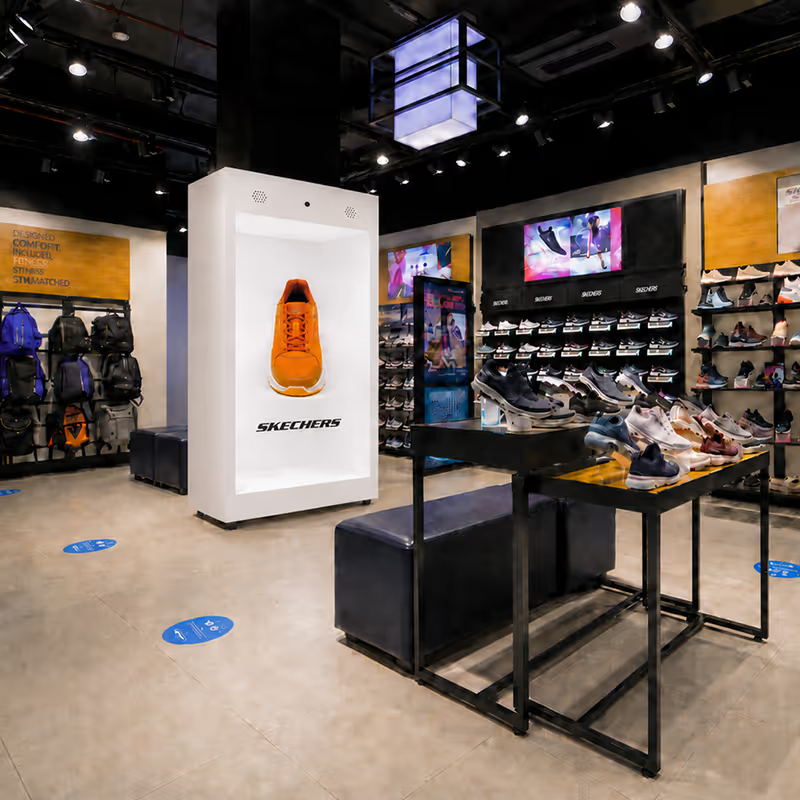
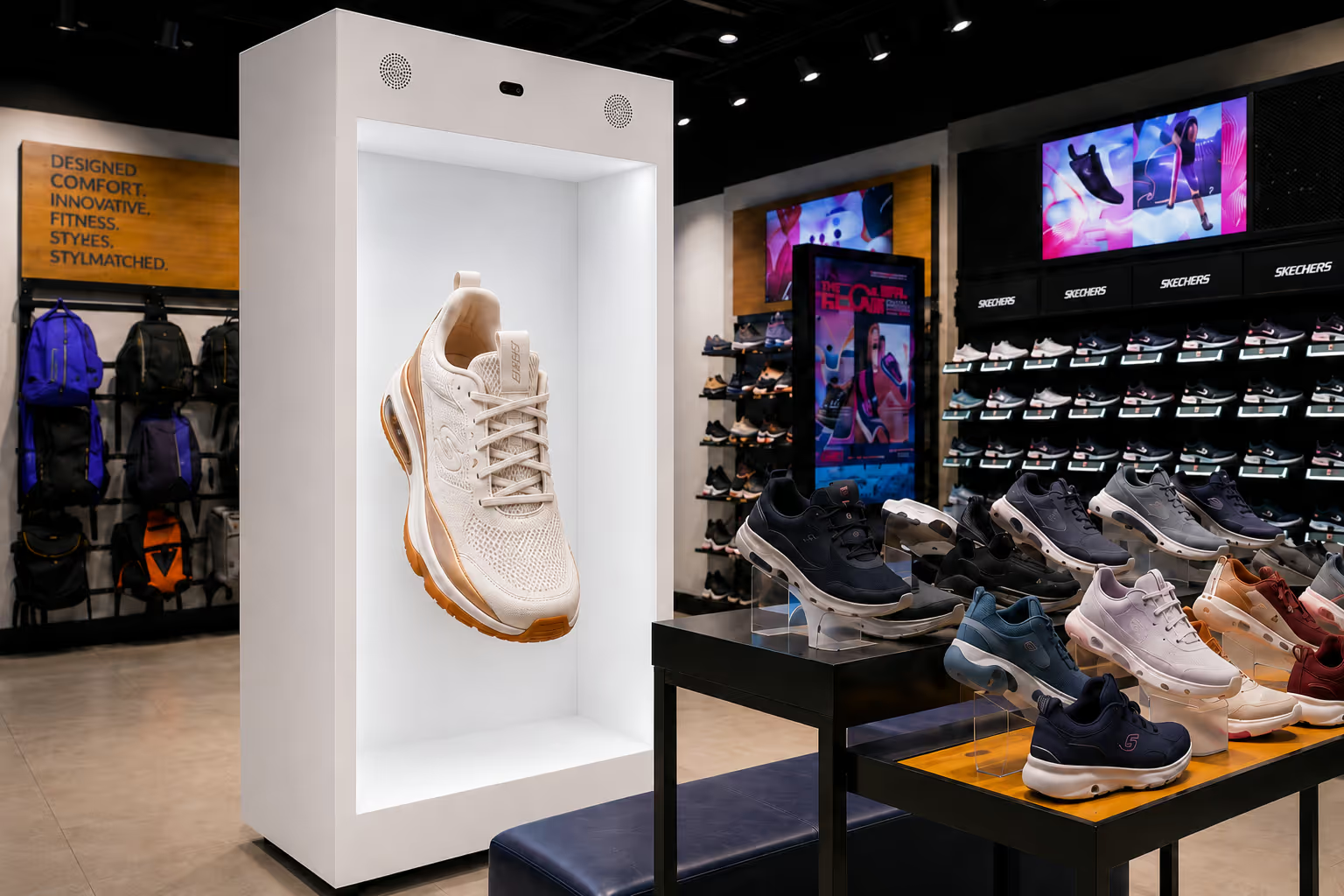
A retail-grade hologram display needs hardware, cloud software and high-fidelity 3D content working together. At the core of the Skechers install is a life-size volumetric unit built for high-traffic retail. It uses light-field technology and high-brightness LED arrays to project photorealistic 3D images that appear to float inside the glass. Crucially, it's bright enough to hold up against harsh store lighting and storefront sunlight, so the holograms stay crisp and visible across the floor — a magnet for passing foot traffic.
Content is what makes the hardware work. Skechers invested in detailed 4K 3D models of its flagship lines — not static images but fully rigged, animated assets loaded into a cloud-based content management system (CMS). The CMS is the brain of the install: the HQ marketing team can push updates, swap featured shoes by season or inventory, and schedule animations remotely across locations. A shopper might see a sneaker rotate 360° to show its sole and silhouette, then an “exploded view” revealing the memory foam, breathable mesh and cushioning layers in lifelike 3D.
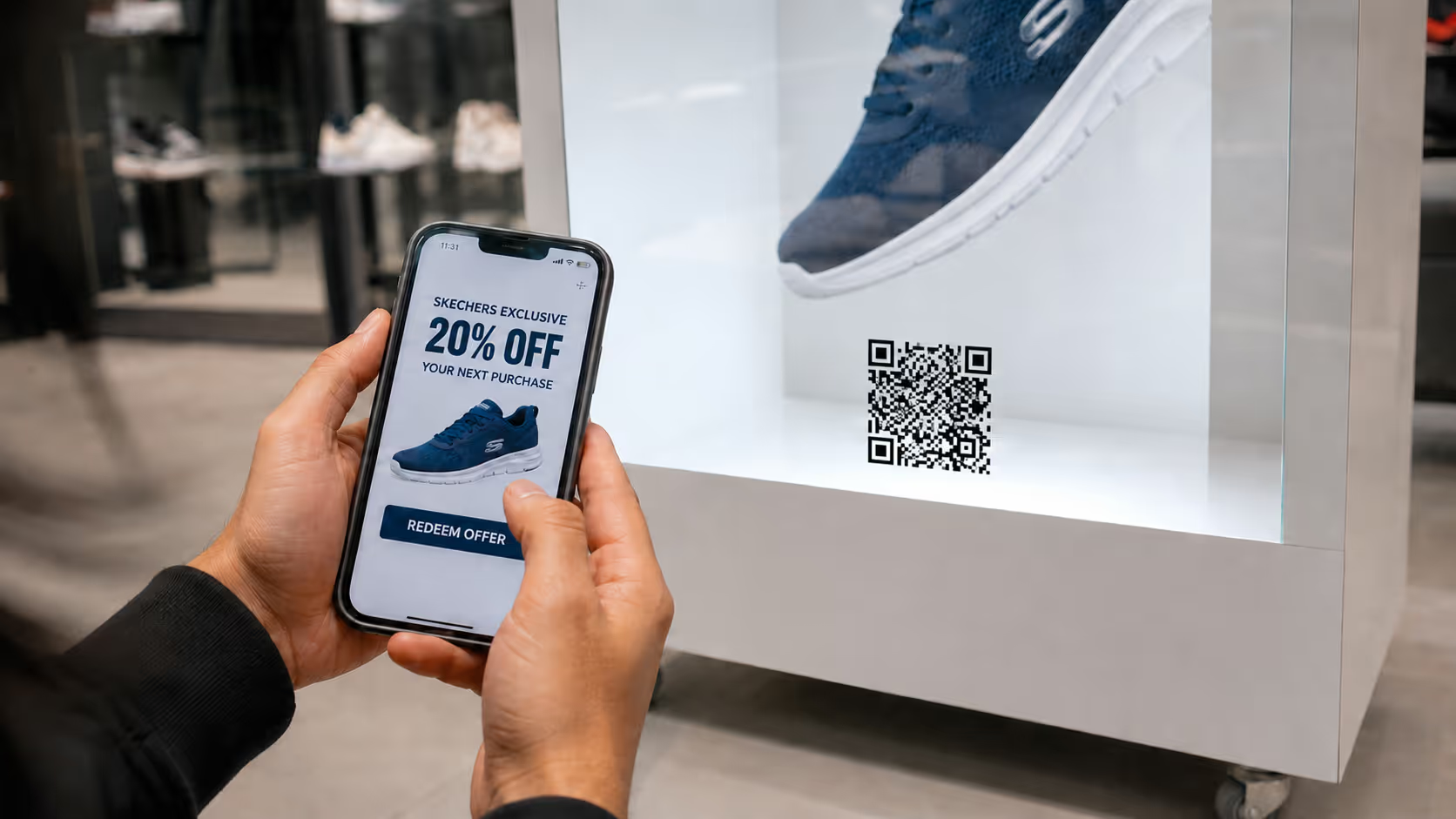
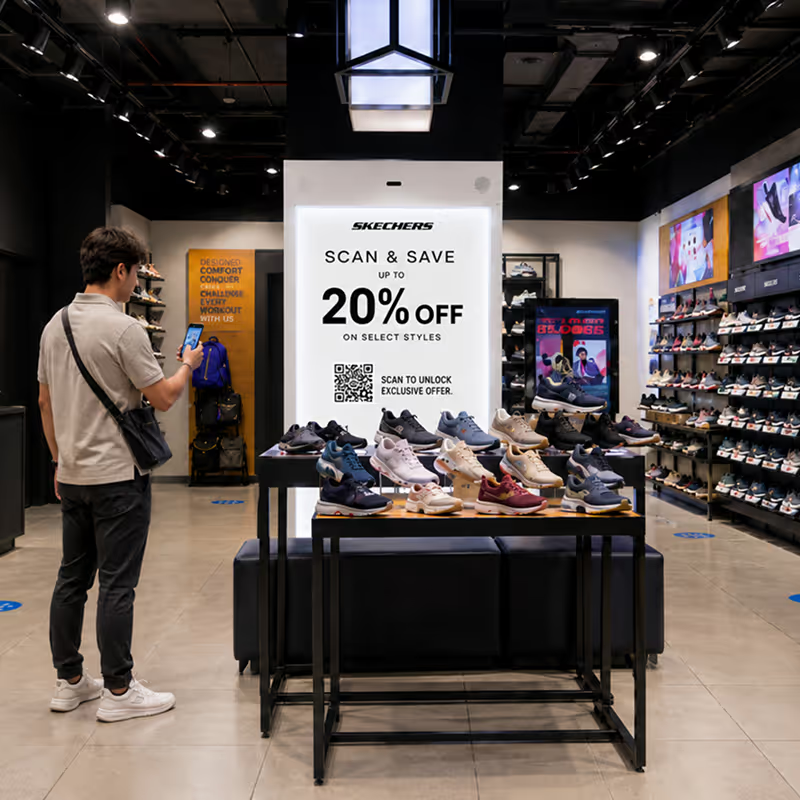
What turns it from a spectacle into a sales tool is interactivity. The display pairs a touch screen with real-time QR-code generation. Shoppers aren't passive — they pick models from a digital catalogue, cycle colourways, and check specs, sizing and pricing. When they find a shoe they like, they scan a product-specific QR code to send it straight to their phone's browser or the brand app, then buy on the spot or save it to cart. That handoff bridges holographic discovery and a frictionless digital checkout.
An ultra-bright volumetric display projects a floating 3D sneaker that reads clearly across the store floor — a visual magnet for passing foot traffic.
A 360° rotation and an educational "exploded view" reveal the memory foam, breathable mesh, and cushioning layers in lifelike 3D.
The touch interface lets shoppers switch models, cycle colourways, and check sizing, specs, and pricing from a digital catalogue.
A product-specific QR code hands the chosen shoe to the shopper's phone — buy now, or save to cart — bridging discovery to checkout.
For visual merchandising, this is a paradigm shift. Launching a campaign once meant shipping, unboxing and arranging mannequins, backdrops and props across hundreds of stores. Now the team deploys new campaigns globally from the cloud CMS in a click, cutting the time and cost of changing displays. It also enables hyper-targeted merchandising — a Mumbai store can feature lightweight running shoes while Delhi highlights weather-resistant boots, all managed centrally from local trends or live inventory.
Store operations gain from the display's self-service nature. The hologram acts as an always-available digital sales associate, answering basic questions visually — showing how a lacing system works or highlighting waterproof materials — so staff can focus on high-value help, fittings and closing sales. Built for durability, it needs minimal daily maintenance and runs reliably as core store infrastructure rather than fragile event tech.
Marketing gains insights static displays never could. The interactive unit is a data hub: it tracks which products are viewed most, how long shoppers engage with each animation, which colourways draw interest, and the conversion rates from QR scans. That lets marketers optimise 3D content, refine the range against real engagement, and measure exact ROI — well beyond the guesswork of legacy foot-traffic estimates.
A permanent hologram display isn't just brand building — it delivers measurable financial results that justify the spend. Where printed and flat digital displays suffer from banner blindness, holographic presence cuts through, lifting both foot traffic and in-store dwell time. Retailers report verifiable gains in engagement that translate to higher sales velocity and faster inventory turnover.
Key Performance Indicators (KPIs) for enterprise-grade retail holographic displays include:
Positioned near entrances or windows, the display acts as a visual magnet, catching passersby who would otherwise walk straight past.
Shoppers spend around 40% longer in-store when interacting with volumetric displays versus static signage — more time to build rapport and cross-sell.
The QR-code handoff and interactive exploration bridge physical to digital, lifting conversion on the featured items.
Cloud-managed 3D content removes the recurring cost of physical props, shipping logistics and overnight install of seasonal campaigns.
The Skechers deployment at Manhattan Beach proves the technology has matured. It's no longer a fragile novelty for trade shows or PR stunts — it's permanent infrastructure for experiential retail. A hologram display bridges the physical and digital: the tactile presence of a store with the infinite inventory, dynamic storytelling and data of e-commerce.
As expectations for immersive, tech-forward shopping rise, brands that invest early in volumetric displays gain a durable edge. By turning passive window shoppers into active participants, retailers drive foot traffic, extend dwell time and create memorable interactions — which translate into higher sales velocity, larger average orders and lasting loyalty. The future of the high street is three-dimensional, and the brands embracing it now will define it.